Este artículo está disponible solo en inglés.
NYC Property Tax Bill Due in January: Grace Period and Interest
James Brazil vive en Mérida, México. Fundó Swift Agent Sites y estudió Clásicas en la Universidad de Mississippi.
Publicado el · Actualizado el
Bienes raíces para compradores · Bienes raíces para vendedores
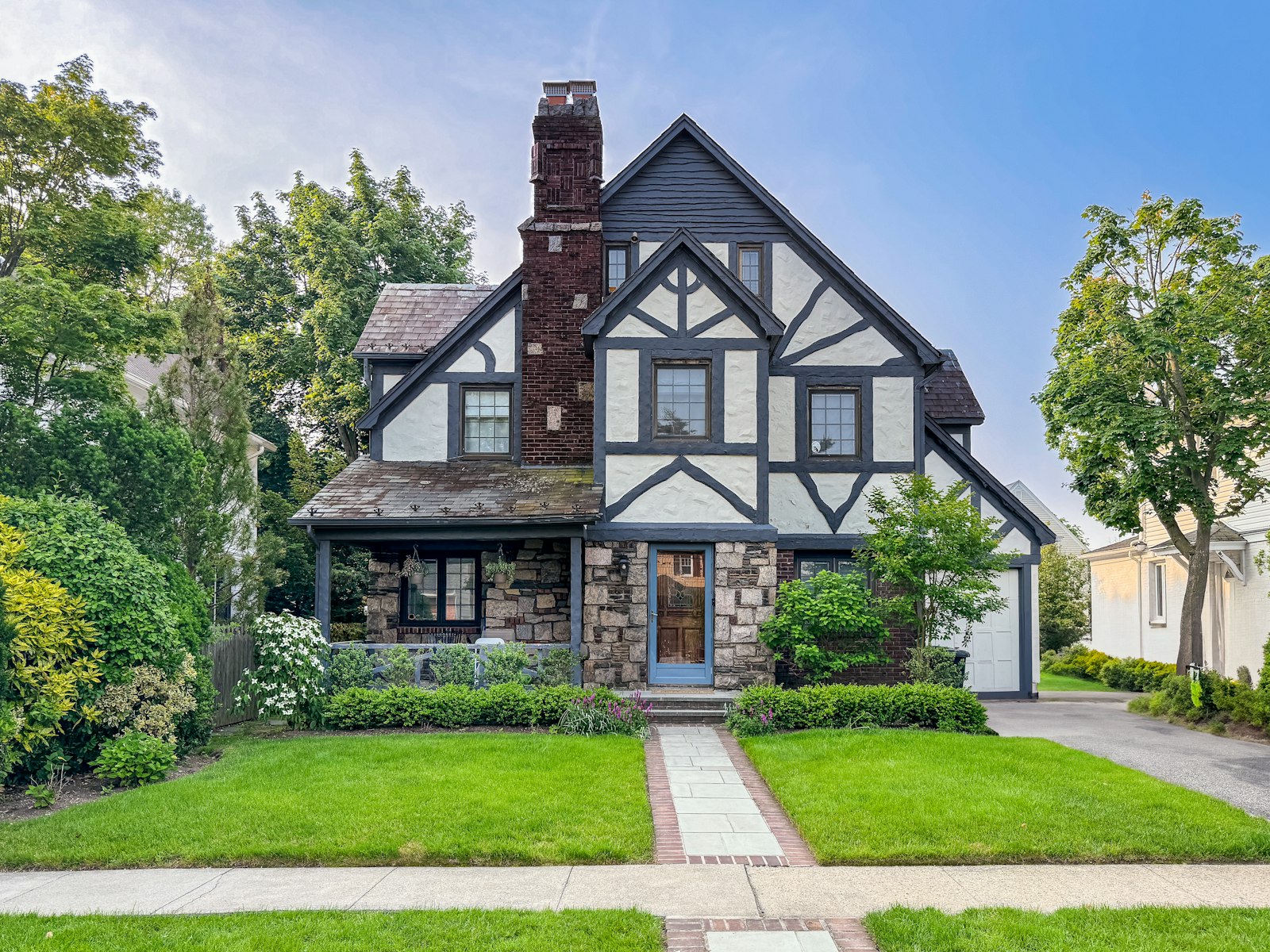
New York City's next property tax payment is due Jan. 1, 2027, and because that's a federal holiday, the city's rules push it to Monday, Jan. 4. Homes assessed at $250,000 or less pay quarterly and get an interest-free grace period through Jan. 15. Homes assessed above that pay twice a year and get no grace period.
Which NYC homeowners actually get a January bill?
Not everyone. The Department of Finance (DOF) says you get a property tax bill if you pay the taxes yourself and have a balance. If your bank or mortgage servicer pays through escrow, the servicer gets the bill electronically.
Two exceptions catch new owners off guard. Co-op owners don't get individual bills, because the building's managing agent or board gets one bill for the whole property. And per NYC311, escrowed owners still get a DOF bill if they owe other charges, such as sidewalk repair or water and sewer fees. Those are yours to pay even with a mortgage.
When is the January 2027 payment due?
The city's tax year runs July 1 to June 30. According to DOF's due dates page, it depends on your assessed value, not your market value:
- Assessed value of $250,000 or less: quarterly bills, due July 1, Oct. 1, Jan. 1 and April 1, with a grace period to the 15th of each of those months.
- Assessed value over $250,000: semiannual bills, due July 1 and Jan. 1, with no grace period.
If a due date or grace date lands on a weekend or federal holiday, payment is due the next business day. Jan. 1, 2027 is a Friday and New Year's Day, so the January payment is due Monday, Jan. 4. For quarterly payers, Jan. 15, 2027 falls on a Friday, so the grace date stays put.
Bills generally go out about a month before the due date, so December mail matters. Mailed payments count by the postmark date on the envelope.
What happens if I pay late?
DOF is required to charge interest, and it compounds daily. For quarterly payers who miss the grace period, interest runs from the original due date, not from the 15th.
DOF's late payments page lists these annual rates for July 1, 2026 through June 30, 2027:
- 6% if the assessed value is $250,000 or less
- 9% if it's over $250,000 and up to $450,000
- 16% if it's over $450,000
That top rate is steep. On a semiannual bill with no grace period, being a week late on a large bill costs real money.
You're responsible for paying even if the bill never arrives. Keep your mailing address current with DOF, especially in the first year after you buy.
Is there a discount for paying early?
A small one. DOF gives 0.17% off the last six months of the year's taxes if you pay the remaining balance by the January due date (or the Jan. 15 grace date for quarterly payers). Earlier in the year, the discounts were 0.50% for paying the full year by July and 0.33% by October.
It's not much. For most households, the bigger win is simply not paying 6% to 16% interest.
How should I read the bill?
DOF says the bill shows current and past-due property tax, other property charges, any exemptions or abatements, credits or overpayments, and the early payment discount. Check a few lines in particular:
- Exemptions. If you bought this year, confirm that benefits you're entitled to actually appear. Many newer buyers get STAR as a state credit instead of an exemption on the bill, and registering for STAR is a separate step. Owners 65 and older with limited income should look at the senior citizens exemption.
- Who's on the account. After a closing, make sure the owner name and mailing address are right.
- Escrow status. If you have a mortgage but got a bill, call your servicer and ask whether they're paying it.
What changes in January besides the bill?
DOF mails the Notice of Property Value in January. It isn't a bill and no payment is due. It shows DOF's market value, assessed value and estimated taxes for the coming tax year that starts July 1.
For one- to three-family homes, state law limits how much assessments can change each year, so assessed value can lag behind market value for years. If you think DOF got the market value wrong, the NOPV page explains how to file a Request for Review, and the NYC Tax Commission handles formal challenges to assessed value.
What if I can't pay?
DOF offers standard payment agreements, and the Property Tax and Interest Deferral (PT AID) program lets eligible homeowners defer all or part of their payments, or pay a smaller amount based on income. Ask early. Interest keeps compounding while you wait.
FAQ
When is the January 2027 NYC property tax payment due?
Jan. 1, 2027 is a federal holiday, so it moves to the next business day, Monday, Jan. 4. Quarterly payers can pay interest-free through Jan. 15.
Do semiannual NYC payers get a grace period?
No. DOF's grace period applies only to quarterly payers, meaning properties assessed at $250,000 or less.
Why didn't I get a NYC property tax bill?
Most owners with a mortgage escrow don't, because the bill goes to the servicer. Co-op bills go to the building. You may still get a bill for other charges like sidewalk repair or water and sewer fees.
What interest does NYC charge on late property taxes?
For July 2026 through June 2027, it's 6%, 9% or 16% a year depending on assessed value, compounded daily from the due date.
Talk with a licensed local agent
If you're buying or selling in New York City, talk with a licensed local real estate agent about the property's tax class, assessed value and billing schedule before you sign. Then confirm with your closing attorney how the current bill is adjusted at closing.
Sources: NYC Department of Finance, Property tax bills and payments; NYC Department of Finance, Property tax due dates; NYC Department of Finance, Late payments; NYC Department of Finance, Notice of Property Value; NYC311, Property Tax Bill.
Antes de contratar: Nueva York tiene 113,738 licencias de bienes raíces activas, según el archivo de New York Department of State al 2 de noviembre de 2026. Verifica gratis la licencia de cualquier agente.
Información general para Nueva York. No es una predicción de precios ni un consejo sobre ninguna propiedad específica. Confirma las reglas vigentes y las condiciones locales con el tasador local y con un agente con licencia.
Los agentes que publiquen una versión con pocos cambios en su propio dominio deben poner una etiqueta canonical que apunte a esta URL.
Agrega tu negocio al centro regional de Nueva York, gratis: Bienes raíces