Este artículo está disponible solo en inglés.
New York Seller Disclosure: The PCDS and Flood Questions
James Brazil vive en Mérida, México. Fundó Swift Agent Sites y estudió Clásicas en la Universidad de Mississippi.
Publicado el · Actualizado el
Bienes raíces para compradores · Bienes raíces para vendedores
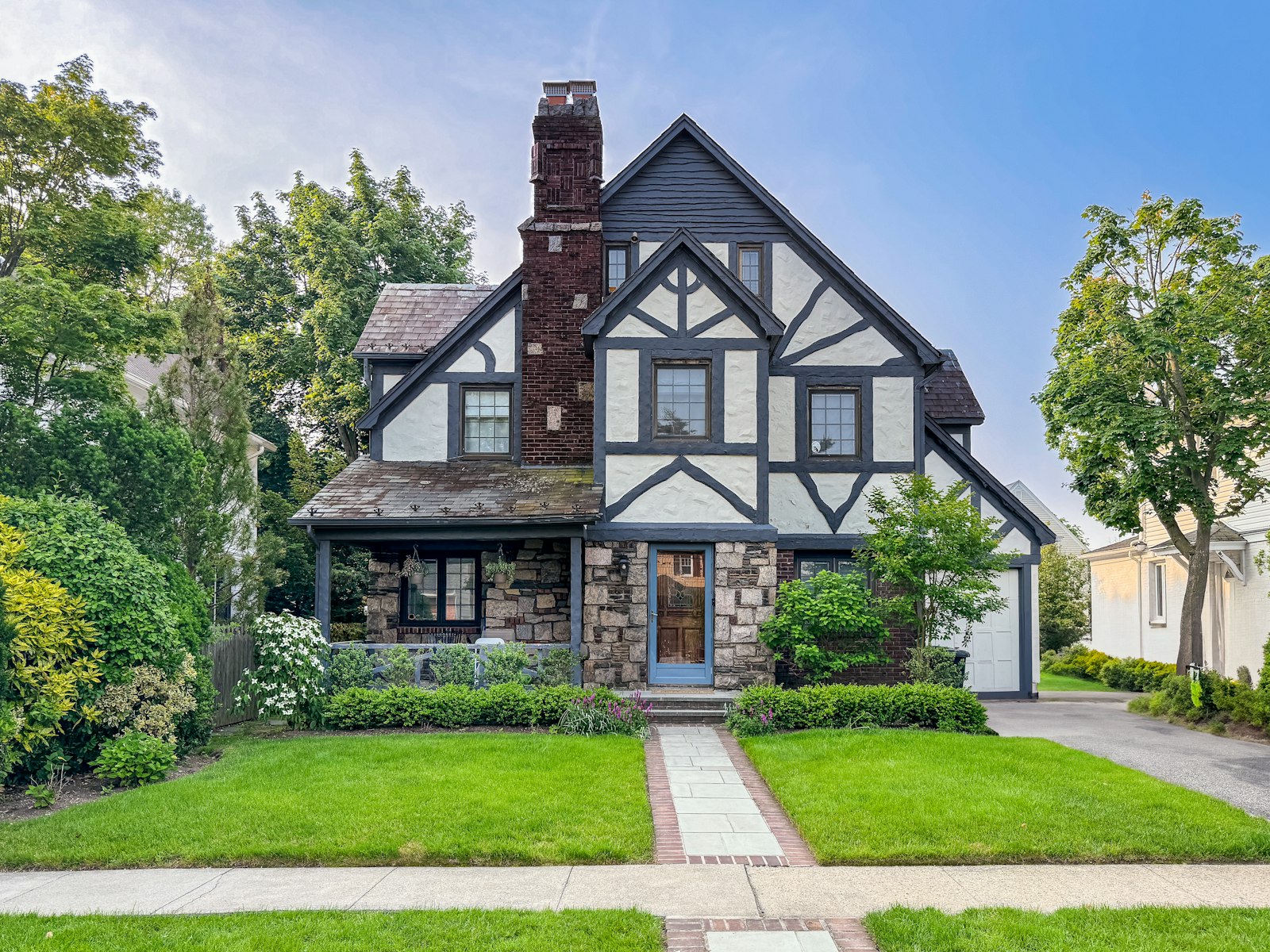
Most New York sellers of a one- to four-family home must fill out and sign a Property Condition Disclosure Statement (PCDS) and give it to the buyer before the buyer signs a binding contract. Since March 20, 2024, sellers can no longer skip it by giving a $500 credit, and the form now asks about flood risk and flood history.
That change made the PCDS a real document in New York deals instead of something people routinely waived. Here's what it covers and what it doesn't.
What is the Property Condition Disclosure Statement?
It's a standard form set by Real Property Law section 462. The seller answers questions about the home based on what they actually know. According to Stewart Title's summary of the 2024 version, the form has 56 questions covering ownership and occupancy, structural and mechanical systems, and environmental issues.
For each question, the seller answers:
- Yes
- No
- Unkn (unknown)
- NA (not applicable)
There's room for written explanations too. A completed copy signed by both seller and buyer gets attached to the purchase contract.
What changed on March 20, 2024?
Two big things, both from a 2023 law (S5400/A1967):
- No more $500 credit. Before, a seller could hand the buyer a $500 credit at closing instead of filling out the form. That option is gone
- Flood questions. The form now asks whether the property is in a FEMA 100-year or 500-year floodplain, whether it has to comply with federal flood insurance requirements, whether the seller has filed flood damage claims, and whether the seller got FEMA or SBA disaster assistance
The New York State Association of REALTORS (NYSAR) notes the date the listing was taken doesn't matter. What counts is when the buyer signed. Contracts signed on or after March 20, 2024 need the new form.
Which sales need a PCDS?
The law covers "residential real property," meaning land with a one- to four-family home used as someone's residence. Mixed-use buildings that include a one- to four-family home are covered too.
It doesn't apply to:
- Condominium units
- Cooperative apartments
- Property in a homeowners' association that the seller doesn't own in fee simple
- Vacant land where a home is going to be built
Section 463 lists 14 more exemptions. A few common ones:
- Foreclosure sales and transfers to a lender by deed in lieu of foreclosure
- Transfers by an estate's fiduciary, a trustee, or a guardian
- Transfers between co-owners, between spouses, or to a child or other lineal relative
- Transfers in a divorce
- New homes that have never been lived in
- Sheriff's sales and partition actions
So if you're buying a co-op in Queens or a condo in Buffalo, don't expect a PCDS. Your attorney and your own inspections do more of the work there.
When does the seller have to deliver it?
Before the buyer signs a binding contract of sale. The point is for the buyer to read it while they can still walk away or negotiate.
If the seller learns something later that makes the form materially wrong, Real Property Law section 464 says they have to give the buyer a revised statement as soon as practicable. That duty ends at closing or when the buyer moves in, whichever comes first.
What if the seller lies or doesn't fill it out?
Under section 465, a seller who fails to deliver the PCDS, or knowingly gives false answers, loses the law's protections and can be liable for the buyer's actual damages.
A few nuances worth knowing:
- The standard is the seller's actual knowledge, not what they should have known
- Checking "Unkn" won't protect a seller who actually knew the answer
- The seller doesn't have to hire inspectors to fill out the form
- Homes can still be sold "as is." The law doesn't stop that kind of agreement
Is the PCDS a warranty?
No. It isn't a warranty from the seller or the seller's agent, and it doesn't replace your inspection. A seller can honestly not know about a cracked heat exchanger or old oil tank.
Buyers should still:
- Hire a home inspector, and add specialists for the roof, septic, well, or chimney if the house calls for it
- Check flood maps for the address and get a flood insurance quote
- Ask for the home's insurance claims history (a CLUE report)
The flood questions are a good reason to call an insurance agent early. Standard homeowners insurance in New York doesn't cover flooding. See does homeowners insurance cover flooding in New York and check the address with FloodFireCheck.
What do real estate agents have to do?
Section 466 puts a duty on licensed agents to tell people about the law:
- A listing agent must tell the seller about the obligation to complete the PCDS
- A buyer's agent must tell the buyer about their rights under the law before the buyer signs a binding contract
- If the buyer has no agent, the seller's agent has to tell the buyer
NYSAR advises agents not to fill out the form for sellers. The seller completes it, ideally after talking with their attorney.
FAQ
Can a New York seller still give a $500 credit instead of the disclosure?
No. That option ended March 20, 2024. Sellers of covered homes must complete and deliver the PCDS.
Does the PCDS apply to condos and co-ops?
No. Condominium units, cooperative apartments, and some HOA properties are excluded from the law's definition of residential real property.
What flood questions are on the New York disclosure form?
Whether the home is in a FEMA 100-year or 500-year floodplain, federal flood insurance requirements, any flood damage claims, and any FEMA or SBA disaster assistance received.
When must the seller give the buyer the PCDS?
Before the buyer signs a binding contract of sale.
Next step
A licensed local real estate agent can make sure the PCDS is on the table before you sign, flag answers that need follow-up, and point you to inspectors who know the area. Your attorney should review the form with you. More guides are on the New York real estate page.
Sources: NYSAR: Amended PCDS goes into effect March 20, 2024, Stewart Title: Property Condition Disclosure Statement Amendments, NY Senate: S5400 (2023), NYS Department of State: PCDS form.
Antes de contratar: Nueva York tiene 113,738 licencias de bienes raíces activas, según el archivo de New York Department of State al 2 de noviembre de 2026. Verifica gratis la licencia de cualquier agente.
Información general para Nueva York. No es una predicción de precios ni un consejo sobre ninguna propiedad específica. Confirma las reglas vigentes y las condiciones locales con el tasador local y con un agente con licencia.
Los agentes que publiquen una versión con pocos cambios en su propio dominio deben poner una etiqueta canonical que apunte a esta URL.
Agrega tu negocio al centro regional de Nueva York, gratis: Bienes raíces