Este artículo está disponible solo en inglés.
New York's Senior Citizens Property Tax Exemption: Who Qualifies for Up to 50% Off
James Brazil vive en Mérida, México. Fundó Swift Agent Sites y estudió Clásicas en la Universidad de Mississippi.
Publicado el · Actualizado el
Bienes raíces para compradores · Bienes raíces para vendedores
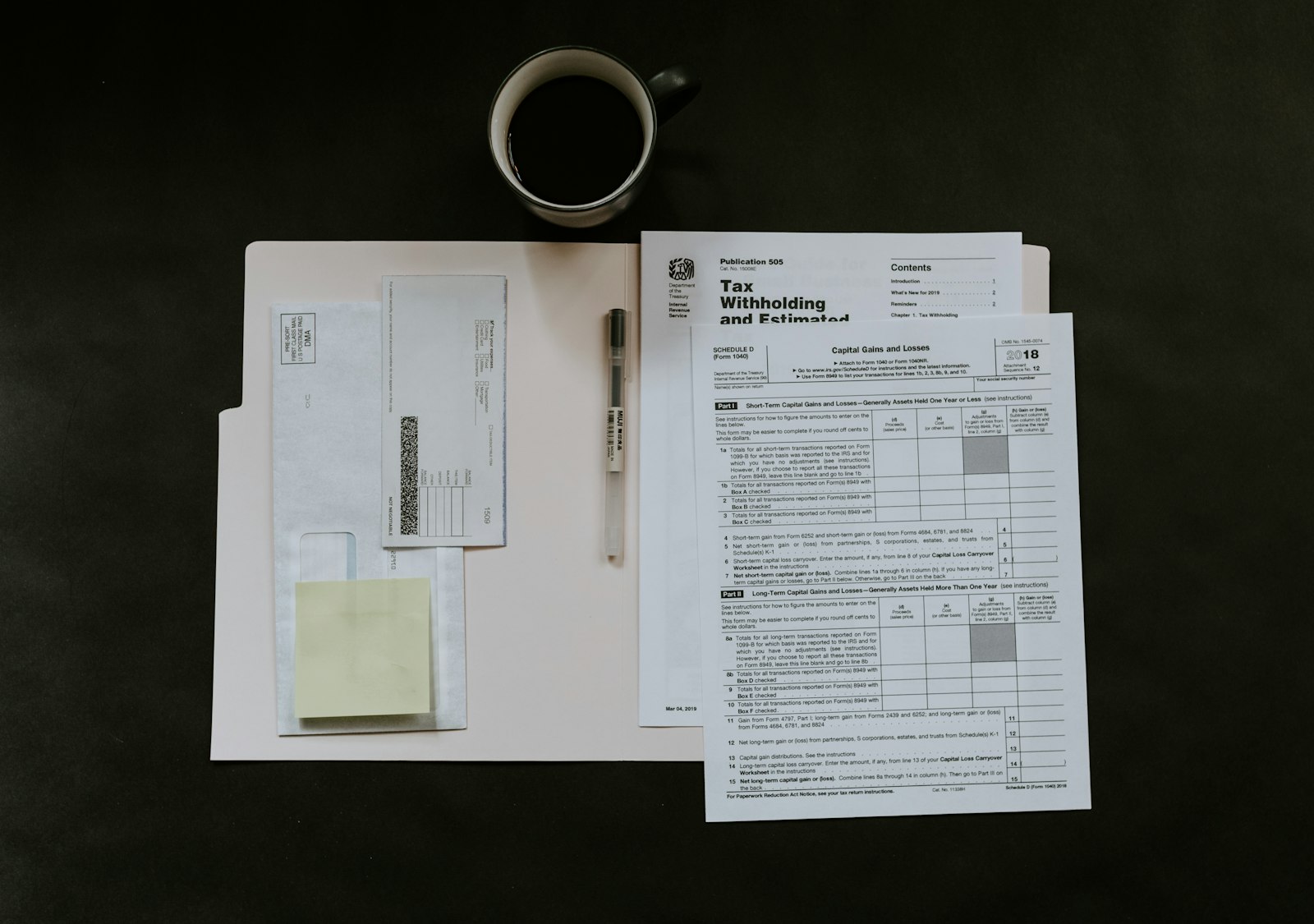
New York's senior citizens exemption can reduce your home's assessed value by up to 50% if you're 65 or older and your income falls under your locality's limit. Localities can set that limit anywhere from $3,000 to $50,000, with a sliding scale above it. You apply on Form RP-467 with your local assessor, usually by March 1.
What is the senior citizens exemption?
It's a partial property tax exemption under Real Property Tax Law section 467. Counties, cities, towns, villages and school districts each decide whether to offer it and what income limit to use. That means two neighbors in different towns can get different results with the same income.
The exemption lowers the assessed value used to calculate taxes for the units that grant it. At the maximum, a qualifying home is taxed on half its assessed value.
Who qualifies?
According to the New York State Department of Taxation and Finance, the main requirements are:
- Age: all owners generally must be 65 or older. There's an exception when the owners are spouses or siblings and at least one of them is 65.
- Income: combined income of all owners and spouses must be at or below the limit your locality set.
- Ownership: you generally must have owned the property for at least 12 consecutive months before you file, unless you received the exemption on your previous home. Transfers between spouses and to a surviving spouse don't break the 12 months.
- Residence: the property must be the legal residence of all the owners, unless one is absent for medical care.
- School-age children: the exemption generally doesn't apply to school taxes if a child living in the home attends public school.
How do the income limits work?
Localities can set a maximum income limit anywhere between $3,000 and $50,000. If your income is at or below that limit, you get the full 50% exemption. Above the limit, a sliding scale reduces the percentage.
The state gives an example for a locality using the $50,000 maximum:
- Income up to $50,000: 50% exemption.
- Income up to $55,700: 20% exemption.
- Income up to $57,500: 10% exemption.
- Income up to $58,400: 5% exemption.
Localities can also choose a more generous scale that gives exemptions as high as 65% to people with incomes well below the limit. Ask your assessor which scale your town and school district use.
What counts as income?
The state's instructions generally count income from all sources, including Social Security, pensions, interest, dividends, net rental income and wages. Some medical and prescription costs not reimbursed by insurance may be subtracted in some localities. Your assessor will tell you which documents to bring, typically your most recent federal or state tax return or equivalent records.
When and how do you apply?
You file Form RP-467 with your local assessor. The usual deadline is March 1, but the date can vary by locality, so check with your assessor. If you buy a home after the deadline, the state says you can apply up to 30 days after the purchase, and the assessor then has 30 days to decide whether you would have qualified. Some municipalities also allow late filing for hardship or renewals.
New York City residents apply through the Department of Finance for the Senior Citizen Homeowners' Exemption, known as SCHE, rather than through a town assessor.
Renewals use a separate form, RP-467-Rnw, and many localities require them each year to confirm your income still qualifies. If you weren't required to file a federal income tax return, there's an income worksheet, RP-467-Wkst, to document your income. Don't assume the exemption carries over without paperwork.
If one owner qualifies for the senior exemption and another qualifies for the exemption for persons with disabilities, the state says the owners can choose whichever is more beneficial.
Can you combine it with STAR?
Yes. The senior exemption is separate from STAR, the School Tax Relief program. Many older homeowners who qualify for the senior exemption also qualify for Enhanced STAR, which gives a larger school tax benefit to seniors under a separate income limit. The two together can make a real difference on a fixed income.
What does this mean if you're buying or selling?
For buyers, especially retirees, look at the current tax bill and ask whether it reflects exemptions you won't get. A seller's senior exemption ends when the home changes hands, so your bill could be noticeably higher. Ask the listing agent or the assessor for the full, unexempted tax amount before you set a budget.
For sellers, mention the exemption in your disclosures so buyers aren't surprised. If you're downsizing within New York, apply again in your new locality right away. The state says the 12-month ownership rule doesn't apply if you received the exemption on your previous residence, so you may not have to wait a year. Your new locality's income limit may differ, though.
FAQ
How much can New York's senior exemption save? Up to 50% off your home's assessed value for the taxing units that offer it, and in some localities up to 65% for lower incomes.
What's the income limit for the senior exemption? Each locality sets its own maximum between $3,000 and $50,000, with a sliding scale above it.
When is Form RP-467 due? Usually March 1, but check with your assessor. If you buy after the deadline, you can apply up to 30 days after the purchase.
Does New York City use RP-467? No. NYC homeowners apply for the Senior Citizen Homeowners' Exemption through the Department of Finance.
Next step
Call your assessor to ask about your locality's income limit and deadline. If you're thinking about buying or selling, talk with a licensed local agent about how exemptions change the true carrying cost of a home.
Sources: NYS Department of Taxation and Finance: Senior citizens exemption; NYS Department of Taxation and Finance: Form RP-467; NYC Department of Finance: Senior Citizen Homeowners' Exemption.
Antes de contratar: Nueva York tiene 113,738 licencias de bienes raíces activas, según el archivo de New York Department of State al 2 de noviembre de 2026. Verifica gratis la licencia de cualquier agente.
Información general para Nueva York. No es una predicción de precios ni un consejo sobre ninguna propiedad específica. Confirma las reglas vigentes y las condiciones locales con el tasador local y con un agente con licencia.
Los agentes que publiquen una versión con pocos cambios en su propio dominio deben poner una etiqueta canonical que apunte a esta URL.
Agrega tu negocio al centro regional de Nueva York, gratis: Bienes raíces