Este artículo está disponible solo en inglés.
South Carolina Sellers Must Give a Property Condition Disclosure Before the Purchase Contract Is Signed
James Brazil vive en Mérida, México. Fundó Swift Agent Sites y estudió Clásicas en la Universidad de Mississippi.
Publicado el · Actualizado el
Bienes raíces para compradores · Bienes raíces para vendedores
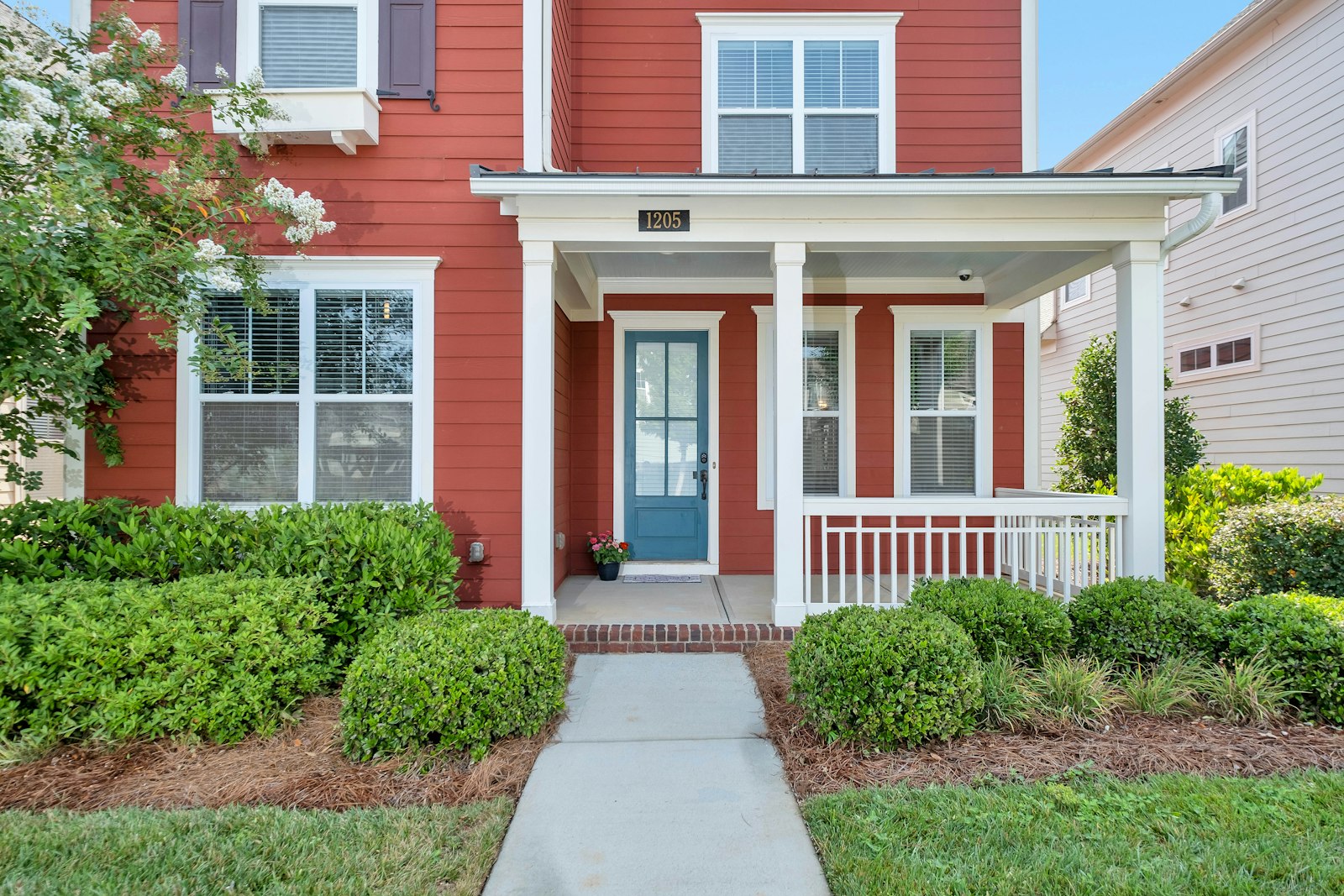
South Carolina's Residential Property Condition Disclosure Act requires the owner of covered residential property to furnish a written disclosure statement to the purchaser before a real estate contract is signed, or as otherwise agreed in the contract. The official form comes from the Real Estate Commission.
The article applies to transfers of residential real property of at least one but not more than four dwelling units, by sale or exchange, installment land sales contract, or lease with an option to purchase, under section 27-50-20.
What must the disclosure cover?
Section 27-50-40 requires the disclosure to include, at a minimum:
- The water supply and sanitary sewage disposal system
- The roof, chimneys, floors, foundation, basement, and other structural components, and modifications of those components
- Plumbing, electrical, heating, cooling, and other mechanical systems
- Present infestation of wood-destroying insects or organisms, or past infestation whose damage has not been repaired
- Zoning laws, restrictive covenants, building codes, and other land-use restrictions, any encroachment, and notice from a governmental agency affecting the property
- Presence of lead-based paint, asbestos, radon gas, methane gas, an underground storage tank, hazardous or toxic material that is buried or covered, and other environmental contamination
- A rental, rental management, vacation rental, or other lease in place at closing and, if known, outstanding tenant utility charges
- A meter conservation charge that applies to electricity or natural gas service
- Whether the property is subject to a homeowners association, with rights and obligations that may limit use and involve financial obligations
The form must give the owner the option to say that the owner has actual knowledge of a specified condition, or that the owner is making no representations as to that characteristic or condition. Rights of the parties as to conditions of which the owner has no actual or constructive knowledge are not affected by the article.
The current official form is published on the Real Estate Commission's resources page, including a June 1, 2023 effective statement. Use the commission's current download, not a memory of an older version.
Which transfers are exempt?
Section 27-50-30 lists transfers that are outside the article. They include transfers pursuant to court order, certain mortgage and foreclosure transfers, transfers by a fiduciary in an estate, guardianship, conservatorship, or trust, transfers from co-owners solely to other co-owners, transfers solely to a spouse or a person in the lineal line of consanguinity, transfers between spouses from a divorce or support or marital-property order, tax sales, transfers to or from the federal government, transfers to the State and its political subdivisions, the first sale of a dwelling never inhabited, property sold at public auction, a transfer to a residential trust, transfers where both parties agree in writing not to complete a disclosure statement, and certain vacation time-share or multiple-ownership interests.
The written-waiver exemption is important. Both parties can agree in writing not to complete a disclosure statement. That is a statutory option, not a requirement. A buyer who waives the form is giving up a document the statute otherwise requires before signing.
What if the form is late, wrong, or never delivered?
Failure to provide the disclosure does not void the agreement, create a defect in title, or present a valid reason for a closing attorney or lender to delay or interfere with closing, under section 27-50-50. The article does not limit other remedies available to the purchaser under law.
If, after delivery, the owner discovers a material inaccuracy, or an event renders the disclosure materially inaccurate, section 27-50-60 requires the owner to correct it promptly by delivering a corrected disclosure statement or to make reasonable repairs necessitated by the occurrence before closing.
An owner who knowingly violates or fails to perform a duty under the article, or who discloses material information that the owner knows to be false, incomplete, or misleading, is liable for actual damages proximately caused to the purchaser and court costs. The court may award reasonable attorney fees to the prevailing party, under section 27-50-65.
A listing agent or any real estate licensee operating for a party must inform each owner covered by the listing, in writing, of the owner's obligations. If the listing agent performs that duty, the agent is not liable for the owner's refusal or failure to provide the statement. A licensee is not liable to a purchaser for false, incomplete, or misleading information on the owner's form if the licensee did not know or have reasonable cause to suspect that the information was false, incomplete, or misleading.
Section 27-50-80 does not limit the purchaser's obligation to inspect the property. The real estate licensee has no duty to inspect onsite or offsite conditions.
If you are buying or selling a South Carolina home, talk with a licensed local agent and, as needed, a closing attorney about the current official form, any exemption, and the timing of delivery before you sign.
FAQ
When must the seller deliver the disclosure?
Section 27-50-50 requires delivery before a real estate contract is signed by the purchaser and owner, or as otherwise agreed in the real estate contract. There is no separate post-signing statutory grace period in place of that rule.
Does skipping the form cancel the sale?
No. Section 27-50-50 states that failure to provide the form does not void the agreement or create a title defect. Other legal remedies may still be available, including the actual-damages remedy in section 27-50-65 for a knowing violation.
Can the buyer and seller agree to skip the disclosure?
Yes, if both parties agree in writing not to complete a disclosure statement, under the exemption in section 27-50-30(13). That waiver should be an informed decision, not a casual verbal understanding.
Where is the official form?
The South Carolina Real Estate Commission promulgates the form and posts it for free downloading on its public website, including the commission resources page at llr.sc.gov/re/resources.aspx.
Sources: S.C. Code Ann. Title 27, Chapter 50, South Carolina Real Estate Commission resources, Residential Property Condition Disclosure Statement.
Información general para Carolina del Sur. No es una predicción de precios ni un consejo sobre ninguna propiedad específica. Confirma las reglas vigentes y las condiciones locales con el condado y con un agente con licencia.
Los agentes que publiquen una versión con pocos cambios en su propio dominio deben poner una etiqueta canonical que apunte a esta URL.
Agrega tu negocio al centro regional de Carolina del Sur, gratis: Bienes raíces