Este artículo está disponible solo en inglés.
South Carolina's Legal-Residence Classification Taxes an Owner-Occupied Home at 4% of Fair Market Value
James Brazil vive en Mérida, México. Fundó Swift Agent Sites y estudió Clásicas en la Universidad de Mississippi.
Publicado el · Actualizado el
Bienes raíces para compradores
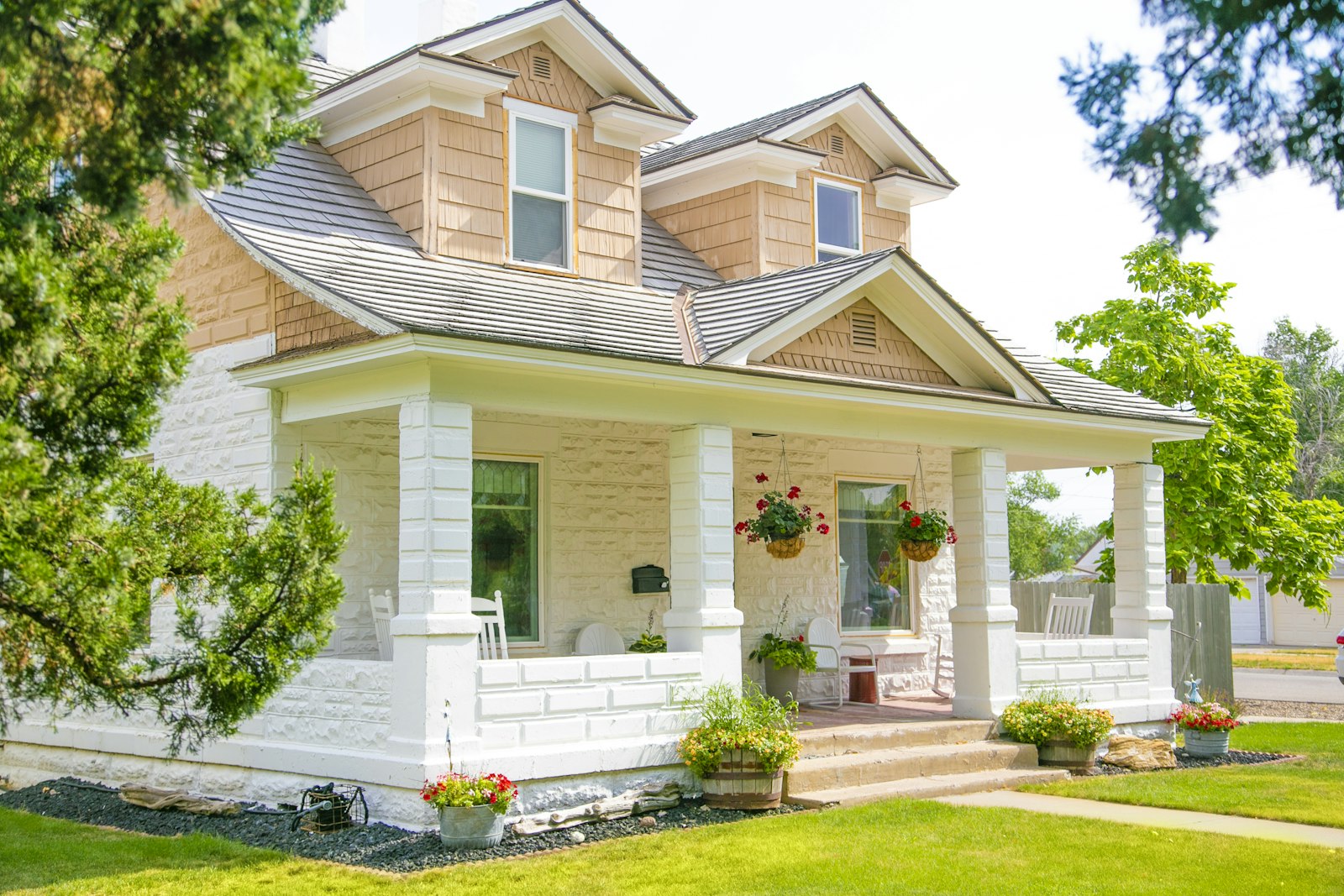
South Carolina taxes an owner-occupied legal residence, and not more than five contiguous acres, at 4% of fair market value. Apply with the county assessor before the first penalty date for the year you first claim the ratio. This classification is separate from the homestead exemption.
The 4% ratio is a classification, not the $50,000 homestead exemption for homeowners who are 65, disabled, or legally blind. Many owners qualify for the 4% ratio without qualifying for the homestead exemption. Each program has its own application office and tests.
Who qualifies for the 4% ratio?
Section 12-43-220(c) applies to the legal residence when it is owned totally or in part in fee or by life estate and occupied by the owner of the interest. Additional dwellings on the same property occupied by immediate family members of the owner can also qualify as provided in the statute. A residence does not qualify as a legal residence unless it is determined to be the domicile of the owner-applicant.
If property on the same tract includes rented mobile homes, rented residences, or a business for profit, the 4% value does not apply to those businesses or rental portions, subject to the statute's rules for a person who lives in the home and rents only a part of it.
To qualify, the owner-occupant must apply for the 4% assessment ratio before the first penalty date for the payment of taxes for the tax year for which the owner first claims eligibility. In the application, the owner or agent must certify, under penalty of perjury, that the residence is the owner's legal residence and domicile, that neither the owner nor any member of the household claims to be a legal resident of a jurisdiction other than South Carolina for any purpose, and that neither the owner nor a member of the household claims the special assessment ratio on another residence.
The burden of proof is on the owner-occupant. The assessor may require documents, including, as the statute describes, identification registered at the same address and other proof needed to determine eligibility. Once the property is qualified, no further applications are necessary from the current owner while the property continues to meet the requirements, except as the assessor may later require under the statute.
A residence qualified as a legal residence for any part of the year is entitled to the 4% ratio for the entire year, and to related school-operations and homestead benefits described in the statute for that year, when the other tests are met.
Active-duty members of the Armed Forces have additional rules, including, in specified circumstances, keeping the 4% ratio while on orders, and a limited ability to claim the ratio on two South Carolina residences while attempting to sell the first home after a permanent change of station or a long temporary-duty assignment. Those rules are detailed in section 12-43-220(c) and should be confirmed with the assessor and the official text.
What happens if eligibility is lost or the certification is wrong?
If a person signs the certification, obtains the 4% ratio, and is later found not eligible, or later loses eligibility and fails to notify the assessor within six months, section 12-43-220(c) imposes a penalty equal to 100% of the tax paid, plus interest on that amount at one-half of one percent a month. Tell the assessor promptly if you move, sell, change occupancy, or begin claiming a legal residence elsewhere.
Only one legal residence is contemplated by the certification. A vacation home, a rental house, or a property where you are not domiciled generally does not qualify. The Department of Revenue points owners to the county assessor, not to a Department of Revenue homestead form, for this 4% application.
The ratio changes the assessment used to calculate the tax, which is why a timely application can matter as much as the homestead exemption for a new owner who is not yet 65. If you buy a home mid-year, ask the assessor when the first penalty date falls and what documents to bring, including the deed and proof that you occupy the home as your domicile.
If you recently bought a South Carolina home or changed occupancy, talk with a licensed local agent and apply with the county assessor before the first penalty date, bringing a copy of the deed and proof of occupancy.
FAQ
What is the legal-residence assessment ratio?
Section 12-43-220(c) taxes the legal residence, and not more than five contiguous acres, at 4% of fair market value when the owner occupies the property as a domicile and the other statutory tests are met.
Where do I apply, and when is it due?
Apply with the county assessor before the first penalty date for the tax year for which you first claim the ratio. The Department of Revenue's exemptions page also directs owners to the assessor's office for this classification.
Can a married couple have two legal residences in South Carolina?
The required certification states that neither you nor a member of your household claims the special assessment ratio on another residence. Active-duty exceptions for two residences during a move are spelled out in the statute and should be documented with the assessor.
What is the penalty for an ineligible claim?
If you obtain the ratio and are later found ineligible, or you lose eligibility and fail to notify the assessor within six months, the statute imposes a penalty equal to 100% of the tax paid, plus interest at one-half of one percent a month.
Sources: S.C. Code Ann. section 12-43-220, South Carolina Department of Revenue, Property Tax Exemptions.
Información general para Carolina del Sur. No es una predicción de precios ni un consejo sobre ninguna propiedad específica. Confirma las reglas vigentes y las condiciones locales con el condado y con un agente con licencia.
Los agentes que publiquen una versión con pocos cambios en su propio dominio deben poner una etiqueta canonical que apunte a esta URL.
Agrega tu negocio al centro regional de Carolina del Sur, gratis: Bienes raíces