Este artículo está disponible solo en inglés.
South Carolina's Homestead Exemption Removes Taxes on the First $50,000 of Fair Market Value
James Brazil vive en Mérida, México. Fundó Swift Agent Sites y estudió Clásicas en la Universidad de Mississippi.
Publicado el · Actualizado el
Bienes raíces para compradores
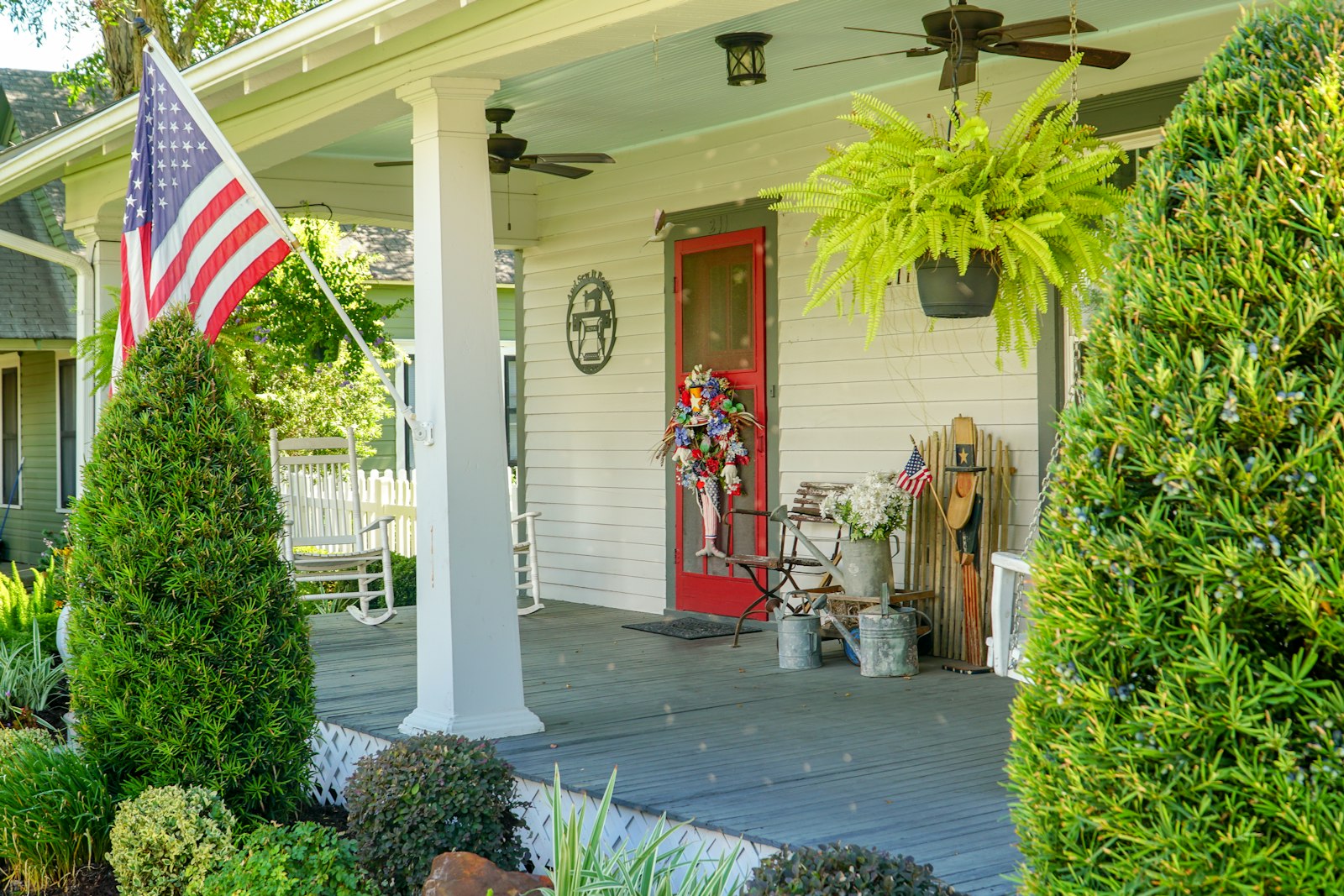
South Carolina's homestead exemption is a complete exemption of taxes on the first $50,000 of fair market value of a legal residence for homeowners who are at least 65, totally and permanently disabled, or legally blind. Apply with the county auditor, generally before July 16.
This is an exemption administered by the county auditor, not a statewide income-tax credit. It is also separate from the 4% legal-residence assessment ratio, which has its own application and is explained in a companion article.
Who qualifies?
The Department of Revenue flyer states that statements 1, 2, and 3 must all be true:
- You hold complete fee simple title to your primary legal residence, or a life estate, or you are the beneficiary of a trust that holds title to that residence.
- As of December 31 preceding the tax year of the exemption, you have resided in South Carolina as your permanent home and legal residence for a full calendar year.
- As of December 31 preceding the tax year, you are at least 65, declared totally and permanently disabled by a state or federal agency authorized to make that declaration, or legally blind as certified by a licensed ophthalmologist.
Section 12-37-250 uses the same core tests: residency of at least one year and age 65 on or before December 31, or classification as totally and permanently disabled, or legal blindness, with complete fee simple title or a life estate. A person claiming a disability who has not been classified by an agency may apply to the South Carolina Vocational Rehabilitation Department for an evaluation. When spouses jointly own the residence, the exemption can apply if either spouse meets the age, disability, or blindness test and the residency test, as provided in the statute.
The official flyer also explains that a surviving spouse of a qualified or potentially qualified recipient may receive the benefit if the decedent was eligible at death, the surviving spouse obtains complete fee simple title, a life estate, or qualifying trust beneficiary status within nine months, lives in the home as the primary legal residence, and remains unmarried.
How and when do you apply?
Contact the county auditor's office where the property is located. Section 12-37-250(A)(3) says the exemption must not be granted for the tax year in which it is claimed unless the person or an agent makes written application before July 16 of that tax year. If the application is made after July 15, the exemption is generally granted only for the succeeding tax year. However, if the application is made after July 15 but before the first penalty date on property taxes for that tax year by a person who qualifies when the application is made, the taxes due for that tax year must be reduced to reflect the exemption.
The Department of Revenue flyer states that you do not need to re-apply annually unless you move, or unless the qualifying owner dies and someone else at the residence is eligible. If you move, you can qualify on the new residence if you still meet the requirements, and you should apply at the auditor's office in the new county.
Common supporting documents listed in the flyer include a birth certificate or South Carolina driver's license for an age-based claim, agency documentation of a total and permanent disability, a licensed ophthalmologist's certification of blindness, and a copy of the trust agreement for a trust beneficiary.
For tax year 2026, the Department of Revenue states that the State temporarily authorized an additional homestead exemption for certain qualifying recipients. The county auditor administers the exemption and must determine whether the additional amount applies to your account. Confirm that additional amount with the auditor rather than assuming a figure from an unofficial source.
Other property-tax exemptions, including certain veteran and disability-related exemptions under section 12-37-220, are administered through the Department of Revenue or the county, as the exemptions page explains. Those programs have their own tests and should not be confused with the $50,000 homestead exemption.
If you recently bought a qualifying South Carolina home or you are approaching age 65, talk with a licensed local agent and apply with the county auditor, bringing a deed and proof of occupancy and eligibility.
FAQ
How much of my home's value is exempt?
The official exemption is a complete exemption of taxes on the first $50,000 of fair market value of the qualifying legal residence. Ask the county auditor whether any temporary additional amount applies for the current tax year.
When is the application due?
Section 12-37-250 generally requires a written application before July 16 of the tax year. A later application before the first penalty date can still reduce that year's taxes if you already qualify. After that, the exemption generally starts the next year.
Do I apply to the Department of Revenue?
For this homestead exemption, apply with the county auditor. The Department of Revenue publishes the official description and flyer, but the flyer and the department's exemptions page both direct homeowners to the local auditor.
Does a relative homestead or a second home qualify?
The exemption is tied to your legal residence and the ownership and occupancy tests in the statute and flyer. A second home that is not your primary legal residence does not meet those tests. Confirm any trust or surviving-spouse facts with the auditor.
Sources: South Carolina Department of Revenue, Property Tax Exemptions, South Carolina Department of Revenue homestead exemption flyer, S.C. Code Ann. section 12-37-250.
Información general para Carolina del Sur. No es una predicción de precios ni un consejo sobre ninguna propiedad específica. Confirma las reglas vigentes y las condiciones locales con el condado y con un agente con licencia.
Los agentes que publiquen una versión con pocos cambios en su propio dominio deben poner una etiqueta canonical que apunte a esta URL.
Agrega tu negocio al centro regional de Carolina del Sur, gratis: Bienes raíces