Este artículo está disponible solo en inglés.
Ohio House Bill 335: How It Limits Reappraisal Tax Hikes
James Brazil vive en Mérida, México. Fundó Swift Agent Sites y estudió Clásicas en la Universidad de Mississippi.
Publicado el · Actualizado el
Bienes raíces para compradores · Bienes raíces para vendedores
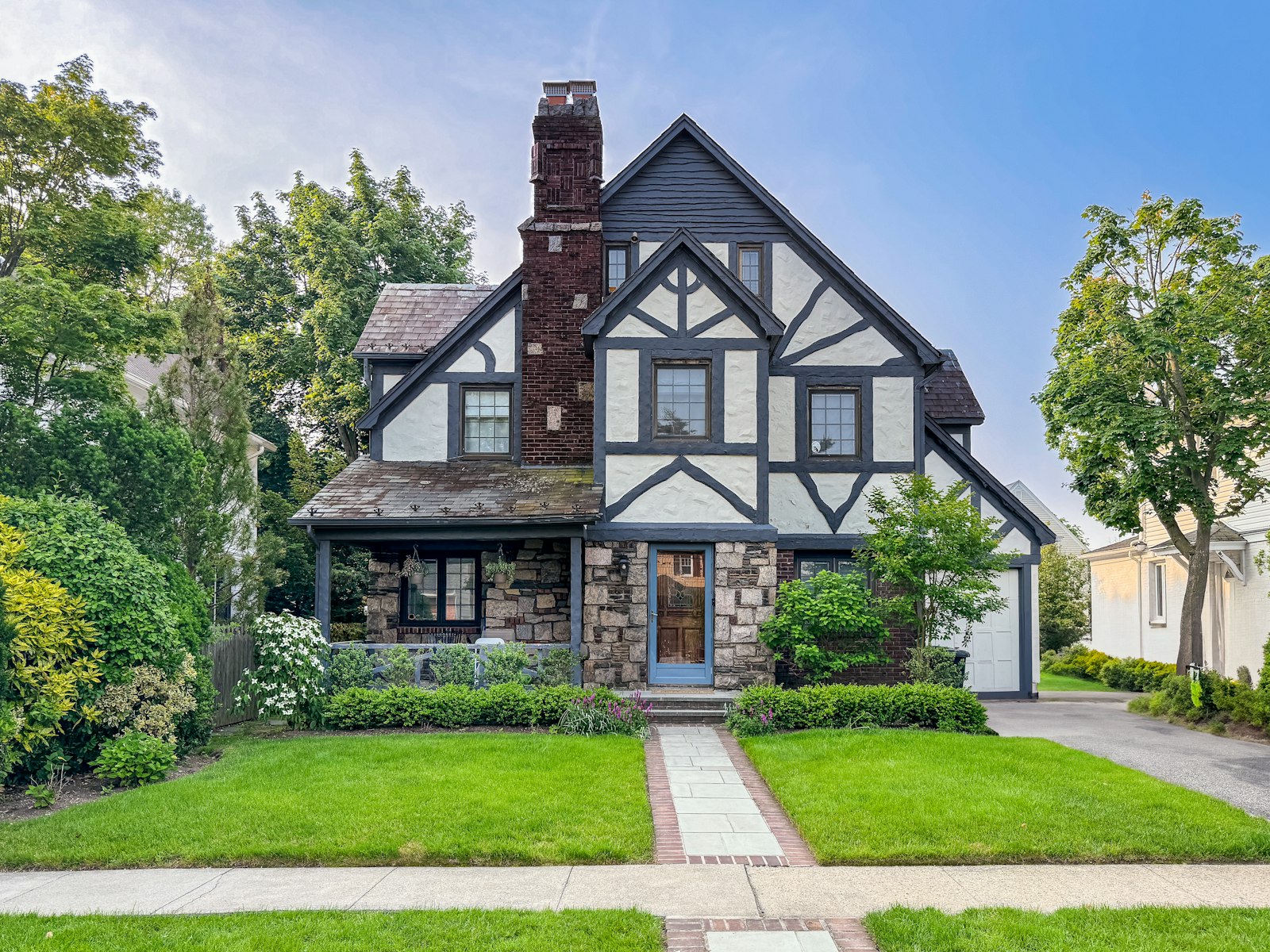
If your Ohio county reappraised or updated values for tax year 2026, a new law, House Bill 335, limits how much the unvoted "inside millage" part of your tax can grow, roughly to three years of inflation. You'll see it on bills paid in 2027. It doesn't touch voter-approved levies, so your total bill can still rise.
What is inside millage, and why did it jump with values?
Ohio lets local governments levy a small amount of property tax without a vote. That's the "ten-mill limitation," and the levies inside it are called inside millage. The Dayton Daily News reported these levies total roughly 10 mills on each property in Montgomery County and make up a small slice of the full bill.
The catch was how they behaved. Inside millage revenue climbed in step with values, so a 19% jump in assessed values could mean roughly a 19% jump in inside millage revenue, according to the same report. Nobody voted on that increase. It just happened when the county updated values.
What does House Bill 335 change?
The law created Ohio Revised Code 5705.316. In September of any tax year when a county has a reappraisal or triennial update, the county budget commission must lower inside millage rates so each levy's revenue doesn't grow faster than an "inflation factor."
That inflation factor is the greater of zero or the change in the federal GDP price deflator over the three preceding years. The Ohio tax commissioner certifies it to each affected county auditor by Sept. 1. The commission then certifies the reduced rates to the county auditor by Dec. 1, and those lower rates carry forward until the next reappraisal or update.
A couple of details matter for homeowners:
- Reduced mills can't be handed to someone else. The statute says the budget commission can't reallocate the cut mills to another taxing unit.
- It only runs in reappraisal and update years. In other years the rates simply carry forward.
- It applies to tax year 2026 and later. The bill page lists an effective date of March 20, 2026, and the section was later amended by House Bill 479.
What did this look like in a real county?
Montgomery County was one of the first to use it. Its budget commission approved the inside millage cuts on Oct. 14, 2026, after the state approved the county's 2026 reappraisal values. The commission said the state-set limit for that reappraisal was 9.3%, while residential values were rising an average of 19%.
The county estimated $12.5 million in taxes that owners won't pay in 2027 compared with the old rules, including about $9.5 million for residential owners. For a typical home, officials projected savings of around $20 per $100,000 of value. They still expected overall property taxes to rise about 1.5% to 2% in 2027. Smaller increase, not a cut.
Why could my bill still go up?
Because inside millage is only one piece. Voted school, library, police, fire and county levies make up most bills, and new or replacement levies passed by voters will raise taxes. The Stark County Auditor's reform summary says it plainly: the reforms don't reduce voter-approved levies, and more levies on the ballot are expected.
The summary also lists other 2025 and 2026 changes that work alongside HB 335:
- House Bill 186 raises the owner-occupancy credit over four years and limits revenue growth caused by the school "20-mill floor."
- House Bill 309 lets county budget commissions review and adjust rates when collections exceed what a taxing unit can justify.
- House Bill 129 updates how the 20-mill floor is calculated, tied to future revaluation years.
What should a buyer or new owner check?
Ohio taxes are paid a year behind. Tax year 2026 is billed and paid in 2027, which matters when you close.
- Ask about the reappraisal year. If the county reappraised or updated for 2026, the 2027 bills will reflect the new values and any HB 335 rate cuts. A listing's old tax figure may not match.
- Look at the proration. Because taxes run in arrears, part of the seller's ownership period usually hasn't been billed yet at closing. Ask the title agent how that's being credited and which year's rate and value they're using.
- Claim what you qualify for. The owner-occupancy credit only shows up if you file for it. See our guide on the owner-occupancy credit for new buyers, and if you're 65 or older, permanently disabled or a qualifying disabled veteran, the homestead exemption, with applications due Dec. 31.
- Challenge the value, not the law. If the new assessed value looks too high, the remedy is a complaint with the county board of revision. Our board of revision guide covers the March 31 deadline.
FAQ
Does House Bill 335 freeze my Ohio property taxes?
No. It limits growth in inside millage revenue to an inflation factor during reappraisal and update years. Voted levies and new levies can still raise your bill.
When will Ohio homeowners see the effect?
It applies starting with tax year 2026, which is billed and paid in 2027, and only in counties that had a reappraisal or triennial update that year.
Who decides how much inside millage is reduced?
The county budget commission, made up of the county auditor, treasurer and prosecuting attorney. It uses the inflation factor certified by the tax commissioner and must certify reduced rates to the auditor by Dec. 1.
Can a local government ask for more?
In one situation. If a levy's revenue doesn't grow at all in a reappraisal year, the statute lets the taxing unit ask the budget commission to raise the rate enough to hold revenue steady, within the ten-mill limit.
Talk with a licensed local agent
Buying or selling in Ohio over the next year? Talk with a licensed local real estate agent about your county's reappraisal schedule and how the 2027 bill could differ from the listing figure, and have the title agent confirm the tax proration before closing.
Sources: Ohio Revised Code 5705.316, inflation limitation on levies within the ten-mill limitation; Ohio Legislature, House Bill 335; Stark County Auditor, Ohio Property Tax Reform FAQ; Dayton Daily News, Montgomery County approves $12.5M property tax reduction for 2027.
Información general para Ohio. No es una predicción de precios ni un consejo sobre ninguna propiedad específica. Confirma las reglas vigentes y las condiciones locales con el condado y con un agente con licencia.
Los agentes que publiquen una versión con pocos cambios en su propio dominio deben poner una etiqueta canonical que apunte a esta URL.
Agrega tu negocio al centro regional de Ohio, gratis: Bienes raíces