Este artículo está disponible solo en inglés.
Ohio's Residential Property Disclosure Form and the 3-Day Right to Cancel
James Brazil vive en Mérida, México. Fundó Swift Agent Sites y estudió Clásicas en la Universidad de Mississippi.
Publicado el · Actualizado el
Bienes raíces para compradores · Bienes raíces para vendedores
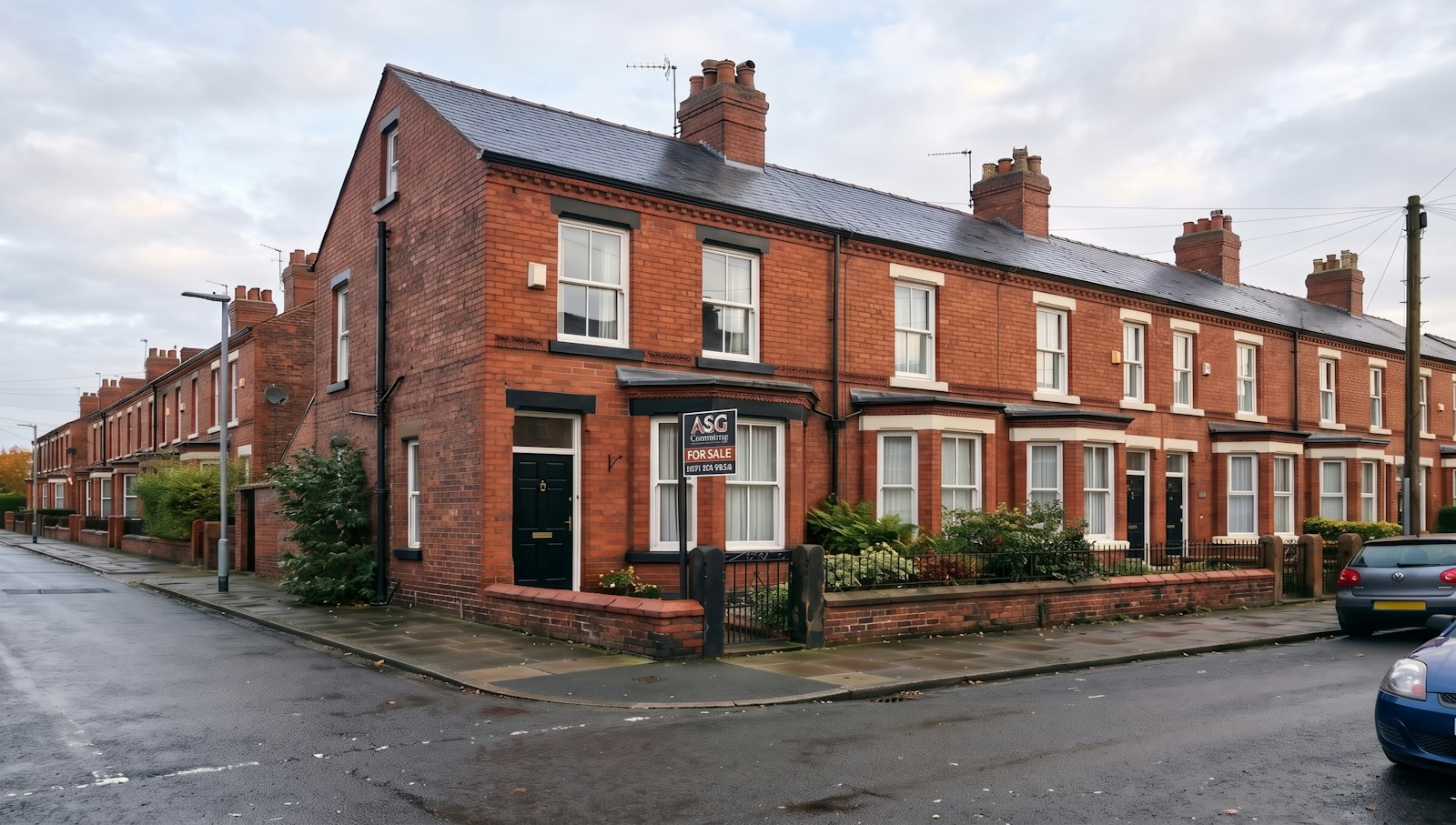
Most sellers of Ohio homes with one to four units must fill out the state's Residential Property Disclosure Form and give the buyer a signed copy as soon as practical. If the buyer gets the form, or an amended one, after signing the purchase contract, the buyer can cancel in writing within three business days and get the deposit back.
What does the disclosure form cover?
The form comes from Ohio Revised Code 5302.30, and the Ohio Department of Commerce sets the actual layout. The law says it has to let sellers disclose material matters about the home's physical condition, including:
- The water supply and the sewer system.
- The roof, foundation, walls and floors.
- Hazardous materials like lead-based paint, asbestos, urea-formaldehyde foam insulation and radon.
- Any material defects the seller actually knows about.
It also points buyers to the local health department for information on maintaining the type of septic or sewage treatment system the home has.
What does the form not do?
This matters for both sides. By law, the form has to say that it:
- Reflects only what the seller actually knows.
- Isn't a warranty of any kind, from the seller or the agents.
- Isn't a substitute for an inspection.
- Encourages the buyer to get a professional inspection.
So a clean form doesn't mean a clean house. A seller who has never been in the crawl space can honestly write that they don't know about it. That's why buyers should treat the form as a starting point for questions and still hire an inspector.
Who doesn't have to give the form?
The law lists a long set of exemptions. Some common ones:
- Court-ordered sales, including many probate sales during estate administration.
- Foreclosure sales and deeds in lieu of foreclosure.
- Sales by an executor, trustee, guardian or other fiduciary in the course of administering an estate or trust.
- Transfers between co-owners, to a spouse, or to direct relatives like children or parents.
- Transfers in a divorce.
- Newly built homes that no one has lived in.
- Sales to a tenant who has lived there as their home for at least a year.
- Sales by someone who inherited the home and hasn't lived there within the past year.
If you're buying an estate sale or a bank-owned house, you may not get a form at all. Plan your inspection with that in mind.
How does the three-day rescission work?
The timing of the form decides whether you get a right to cancel:
- You get the form before you make an offer. No rescission right. You already had the information.
- You get the form after signing the contract. You can rescind within three business days of receiving it.
- The seller amends the form after you sign. The three-day clock starts again from the amendment.
- You never get a form. You can rescind, but only until 30 days after the seller accepted your offer or until closing, whichever comes first.
The rescission has to be written, signed, dated and delivered to the seller or the seller's agent. If you rescind properly, you're entitled to your deposit back and you're not liable to the seller for backing out.
There's an outer limit no matter what. You can't rescind under this law after the earlier of closing or 30 days after the seller accepted your offer. Buyers can also waive the right in the contract, so read the purchase agreement carefully.
What happens if the seller gets something wrong?
The law protects honest sellers. A seller isn't liable for an error or omission that wasn't within the seller's actual knowledge. And if something changes after the form is delivered, like a storm damaging the roof, that doesn't by itself put the seller out of compliance. The seller can amend the form in writing at any time.
What the law doesn't do is let sellers hide things. The form is in addition to, not instead of, the common-law duties against fraud, misrepresentation and concealment. A seller who knows the basement floods every spring and checks "no" is taking a real legal risk.
Tips for sellers filling out the form
- Answer every applicable item. "Unknown" is fine when it's true.
- Mention past repairs, not just current problems. A roof leak fixed in 2022 is worth disclosing with the receipt.
- Keep your own signed copy and the buyer's signed acknowledgment.
- If something new comes up before closing, amend in writing right away.
FAQ
Is a seller disclosure required in Ohio?
Yes, for most sales of homes with one to four units. There are exemptions, including foreclosures, many estate and fiduciary sales, transfers within families and new construction.
How long does a buyer have to cancel after getting the disclosure form?
Three business days after receiving the form or an amendment, if it arrives after the contract is signed.
What if the seller never gives me the form?
You can rescind in writing until 30 days after the seller accepted your offer or closing, whichever comes first.
Does the disclosure form replace a home inspection?
No. The law says the form isn't a warranty or a substitute for an inspection.
Next step
Before you sign a purchase agreement, ask a licensed local agent to request the disclosure form up front and walk through every "yes" and "unknown" answer with you. Then line up an inspector who knows the age and type of homes in that neighborhood.
Sources: Ohio Revised Code 5302.30, property disclosure form.
Información general para Ohio. No es una predicción de precios ni un consejo sobre ninguna propiedad específica. Confirma las reglas vigentes y las condiciones locales con el condado y con un agente con licencia.
Los agentes que publiquen una versión con pocos cambios en su propio dominio deben poner una etiqueta canonical que apunte a esta URL.
Agrega tu negocio al centro regional de Ohio, gratis: Bienes raíces