Este artículo está disponible solo en inglés.
Minnesota Valuation Notices: Estimated Market Value and Classification
James Brazil vive en Mérida, México. Fundó Swift Agent Sites y estudió Clásicas en la Universidad de Mississippi.
Publicado el · Actualizado el
Bienes raíces para compradores · Bienes raíces para vendedores
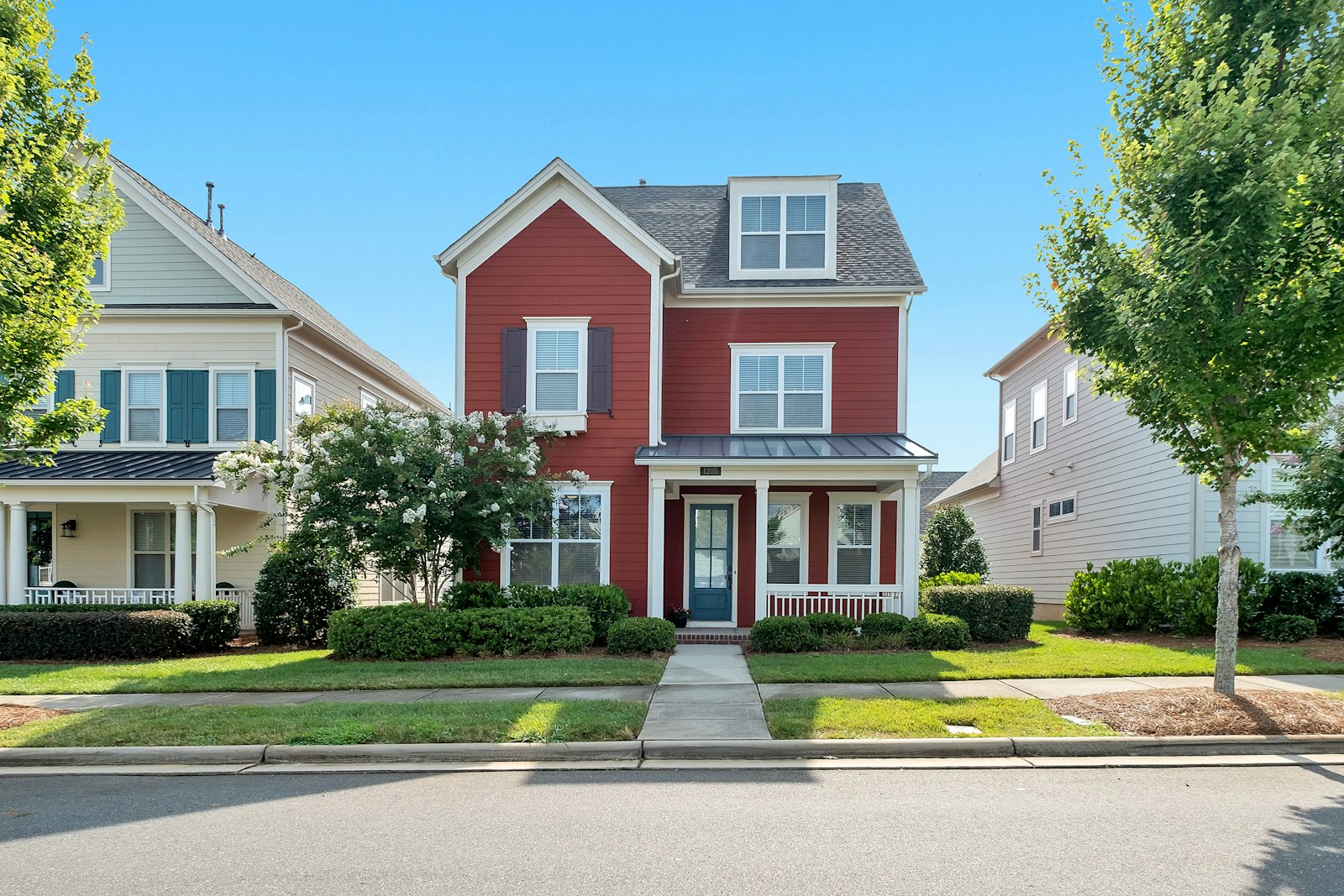
A Minnesota Valuation Notice shows the estimated market value and the classification used to calculate the following year's property taxes. The Department of Revenue states that you may appeal value or classification, but you cannot appeal the amount of property tax due.
That notice is also where you will find Local Board of Appeal and Equalization meeting details, or instructions if your city or town has transferred its board powers to the county and will hold an open-book meeting instead.
What does the notice tell you?
Estimated market value is the assessor's estimate of what the property could sell for. Classification, such as homestead or nonhomestead residential, affects the class rate used to compute taxes. Homestead classification, described in a companion article, is requested on a separate application with the county assessor, generally by December 31.
Compare the new estimated market value with last year's figure and with a recent purchase price if you have just bought the property. The Department of Revenue tells owners preparing an appeal to verify dimensions, age, and condition; review sales of similar properties in the neighborhood; review a recent appraisal; and gather photos. Those same steps help you decide whether a phone call to the assessor is enough.
If the property has not been recently inspected, both interior and exterior, ask the assessor to review it. The Department of Revenue says most questions can be resolved with a phone call and no further action. If you still disagree, you may formally appeal to the Local Board of Appeal and Equalization, then the County Board, or you may go directly to Minnesota Tax Court by April 30 of the following year, as the companion appeals article explains.
A Valuation Notice is not a tax bill. It is the official statement of the value and class that will flow into the next payable-year statement. If a homestead application was missed, or if occupancy changed, the classification on the notice may be nonhomestead even though you now live in the house. That is a reason to talk with the assessor promptly, and to watch the December 31 homestead deadline for real property, or the May 29 deadline for manufactured homes assessed as personal property.
If the estimated market value jumped after a remodel or after a sale in the neighborhood, ask the assessor how those events were used. A recent arm's-length purchase price is often the most direct evidence of market value, but it is not the only evidence. Bring comparable sales and an appraisal if you have one, and be ready to explain differences in size, condition, and location.
Keep the Valuation Notice with your closing papers, appraisal, and tax statements. If you sell during the year, the value and class on the notice still matter to the buyer and to any proration in the closing statement.
If the notice arrives while a sale is pending, share it with the buyer and with the closing agent so everyone is working from the same official value and classification. A licensed local agent can help you read the notice against the purchase contract, but the assessor is the official contact for the figures on the form.
How does classification connect to other tax benefits?
The Department of Revenue notes that homestead classification may qualify a property for a Homestead Market Value Exclusion, a Property Tax Refund, a market-value exclusion for veterans with a disability, a special classification for owners who are blind or disabled, or senior property-tax deferral. Each of those programs has its own application or eligibility rules. Classification on the Valuation Notice is the starting point, not a substitute for those separate filings.
Relative homestead, also described in the homestead article, does not qualify for a property tax refund. If the notice shows a relative homestead or a split classification, confirm with the assessor that the coding matches who actually occupies the house.
Do not treat a lower tax bill as something you can request as a stand-alone appeal. The official path is to challenge the estimated market value or the classification, then let the tax computation follow those corrected inputs. For general information on how property taxes are calculated, the Department of Revenue points to its Understanding Property Tax materials. For property-specific questions, contact the county assessor. The department's property-tax division also publishes a consumer phone number, 651-556-6922, on the appeals page.
FAQ
What figures on the Valuation Notice can I appeal?
The Department of Revenue states that you may appeal estimated market value or classification. You cannot appeal the amount of property tax due.
Where do I find the local board meeting date?
On the Valuation Notice. Local Board of Appeal and Equalization meetings are scheduled between April 1 and May 31, unless the city or town has transferred its board powers to the county.
Is the Valuation Notice the same as a homestead application?
No. The notice reports value and class. Homestead classification is requested on an application filed with the county assessor, generally by December 31.
Can I go to Tax Court without attending a board meeting?
Yes. The Department of Revenue states that you may appeal directly to the Minnesota Tax Court, and that a Tax Court appeal must be filed by April 30 of the following year.
If a Valuation Notice looks wrong, talk with a licensed local agent, and contact your county assessor about the official figures and appeal options.
Sources: Minnesota Department of Revenue, Appealing Property Value and Classification; Minnesota Department of Revenue, Homestead Classification.
Información general para Minnesota. No es una predicción de precios ni un consejo sobre ninguna propiedad específica. Confirma las reglas vigentes y las condiciones locales con el condado y con un agente con licencia.
Los agentes que publiquen una versión con pocos cambios en su propio dominio deben poner una etiqueta canonical que apunte a esta URL.
Agrega tu negocio al centro regional de Minnesota, gratis: Bienes raíces