Este artículo está disponible solo en inglés.
Check a Minnesota Contractor's DLI Residential Building Contractor or Remodeler License
James Brazil vive en Mérida, México. Fundó Swift Agent Sites y estudió Clásicas en la Universidad de Mississippi.
Publicado el · Actualizado el
Contratistas: Licencias · Contratistas: Contratos y anticipos
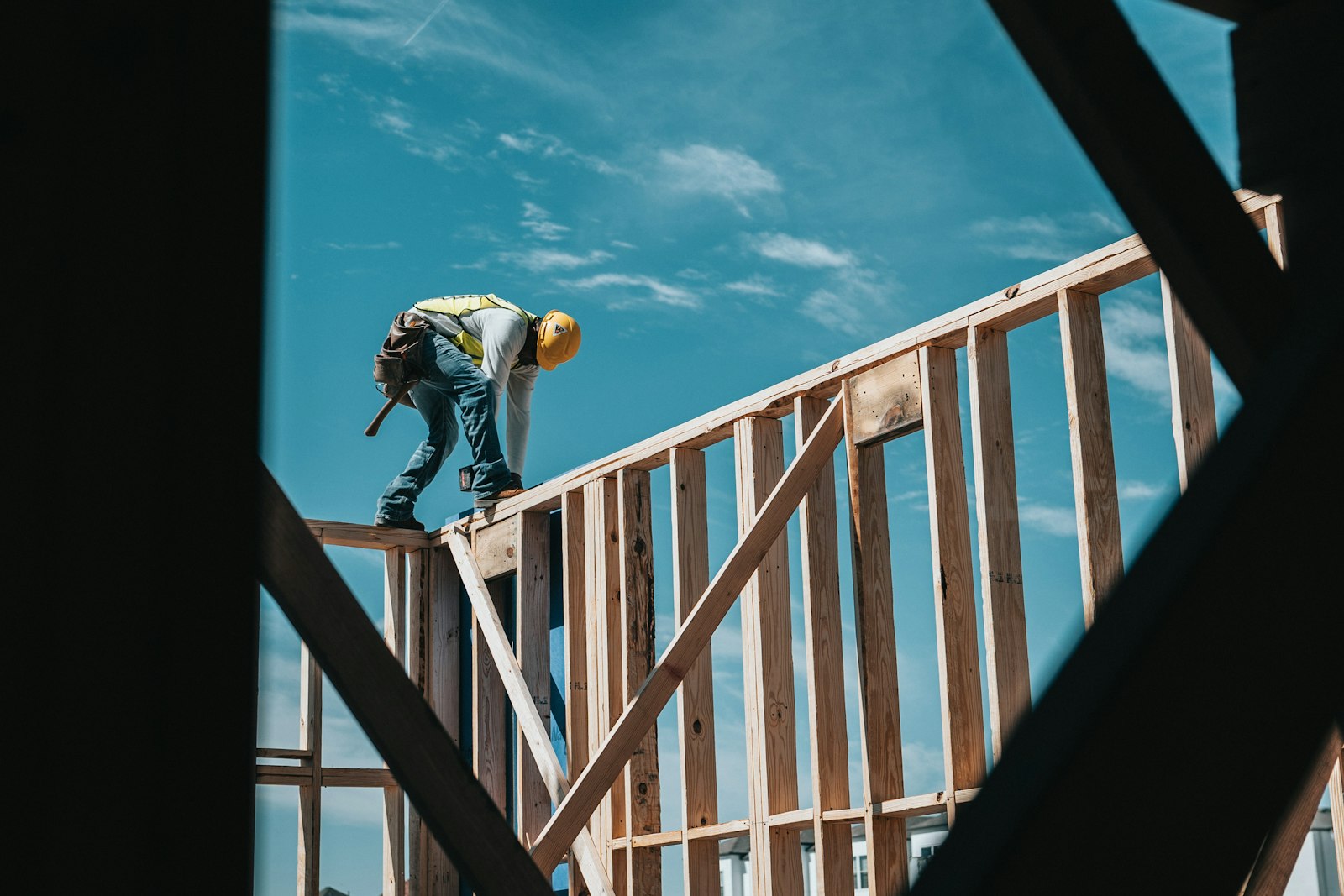
Minnesota requires a Department of Labor and Industry license for a person who contracts directly with an owner of residential real estate to provide work in more than one special skill, and for an owner who builds or improves homes for resale or speculation. Look up the current license before you sign a contract or let work begin.
License numbers begin with BC for a residential building contractor, CR for a residential remodeler, RR for a residential roofer, or MI for a manufactured home installer, followed by six digits. The official lookup is at dli.mn.gov/license-and-registration-lookup.
Who needs a license, and what do the letters mean?
Section 326B.805 requires a residential building contractor, residential remodeler, residential roofer, or manufactured home installer, as those terms are defined in section 326B.802, to be licensed by the commissioner, except as provided in subdivision 6. No person required to be licensed may act or hold out as one of those professionals for compensation without a license.
The DLI residential contractor FAQ states that any individual or company that contracts directly with an owner of residential real estate to provide work in more than one special skill needs a license, as does an owner who builds or improves homes for resale or speculation. A BC license allows the work a CR license allows, plus new construction. A CR license allows work on existing structures only. A roofer license allows roofing work only; it does not allow the holder to contract to install gutters, downspouts, soffits, fascia, or other residential work.
Examinations are fulfilled by a designated qualifying person. DLI explains that a BC license requires the qualifying builder exam, a CR license the qualifying remodeler exam, and an RR license the qualifying roofer exam. Qualifying-person registration numbers begin with QB, QC, QR, or QI and are not themselves a business license. Search the company license record, not only a personal registration number.
Section 326B.805, subdivision 6, lists exemptions. They include an employee of a licensee performing work for the licensee; an owner who builds or improves residential real estate that the owner occupies, will occupy, or will retain for rental, unless the owner is building or improving for resale or speculation (with a presumption of speculation if the owner constructs or improves more than one property within any 24-month period, unless the properties will be retained for rental); a person whose total gross annual receipts for specialty skills that would require licensure do not exceed $15,000, if the person obtains a certificate of exemption; a plumber, electrician, or other statewide-licensed professional when engaged in that licensed activity; and specialty contractors who provide only one special skill. The $15,000 exemption must be renewed with an affidavit, and a person who exceeds $15,000 must immediately surrender the certificate and apply for the appropriate license.
That owner-occupant path is not a way to skip credentials for a hired contractor. If you are hiring someone, ask who will be named on the permit and whether that person holds the required DLI license.
How do you look up a license, and what is the Contractor Recovery Fund?
Use the official DLI license and registration lookup, continue as a guest, and search by company name or the full license number. DLI also states that license numbers must appear on business cards, contracts, mechanics-lien notices and statements, and all other advertising, including websites.
The Contractor Recovery Fund, described in the official FAQ and in section 326B.89, replaces bonding requirements for these licensees. The fund reimburses consumers who have suffered a financial loss as a result of a licensed residential building contractor or residential remodeler who has engaged in fraudulent, deceptive, or dishonest practices, converted funds, or failed to perform. No more than $550,000 per licensee may be paid from the fund. After a payment is made, the license is automatically suspended. Reinstatement requires repayment in full, plus interest, of twice the amount paid from the fund, and a surety bond of at least $40,000.
A person who performs unlicensed work as a residential building contractor or remodeler when a license is required is guilty of a misdemeanor, DLI states, and additional civil penalties may apply. Local building permits and inspections still apply. Keep a copy of the lookup result, the signed contract, and the permit with your project file. A companion article explains the written-contract rule in section 326B.809.
FAQ
What license numbers should I look for?
DLI states that business license numbers begin with BC, CR, RR, or MI, followed by six digits. Qualifying-person numbers beginning with QB, QC, QR, or QI are registrations, not the company license.
Is an owner who works on their own home always exempt?
An owner who occupies or will occupy the home, or will retain it for rental, is exempt, but that exemption does not apply to an owner who constructs or improves for resale or speculation. Building or improving more than one property in 24 months is presumed to be speculation unless the properties will be retained for rental.
What is the $15,000 figure?
A person whose gross annual receipts for specialty skills that would require licensure do not exceed $15,000 may qualify for a certificate of exemption, with an affidavit, under section 326B.805, subdivision 6.
How much can the Contractor Recovery Fund pay per licensee?
DLI's official FAQ states that no more than $550,000 per licensee may be paid from the fund.
If you are hiring work on a Minnesota house, talk with a licensed local agent about insurance questions, and confirm a current DLI residential contractor, remodeler, or roofer license before work starts.
Sources: Minnesota Department of Labor and Industry, License and Registration Lookup; Minnesota Department of Labor and Industry, Residential Contractor FAQs; Minnesota Statutes section 326B.805; Minnesota Statutes section 326B.89.
Información general para Minnesota sobre cómo contratar electricistas, plomeros, técnicos de HVAC y contratistas generales. No es una recomendación de ninguna empresa. Antes de contratar, confirma la licencia del contratista con la junta estatal o la oficina local que la emite.
Los agentes que publiquen una versión con pocos cambios en su propio dominio deben poner una etiqueta canonical que apunte a esta URL.
Agrega tu negocio al centro regional de Minnesota, gratis: Contratistas