Este artículo está disponible solo en inglés.
Connecticut Condition Report: A $500 Credit If the Seller Skips It
James Brazil vive en Mérida, México. Fundó Swift Agent Sites y estudió Clásicas en la Universidad de Mississippi.
Publicado el · Actualizado el
Bienes raíces para compradores · Bienes raíces para vendedores
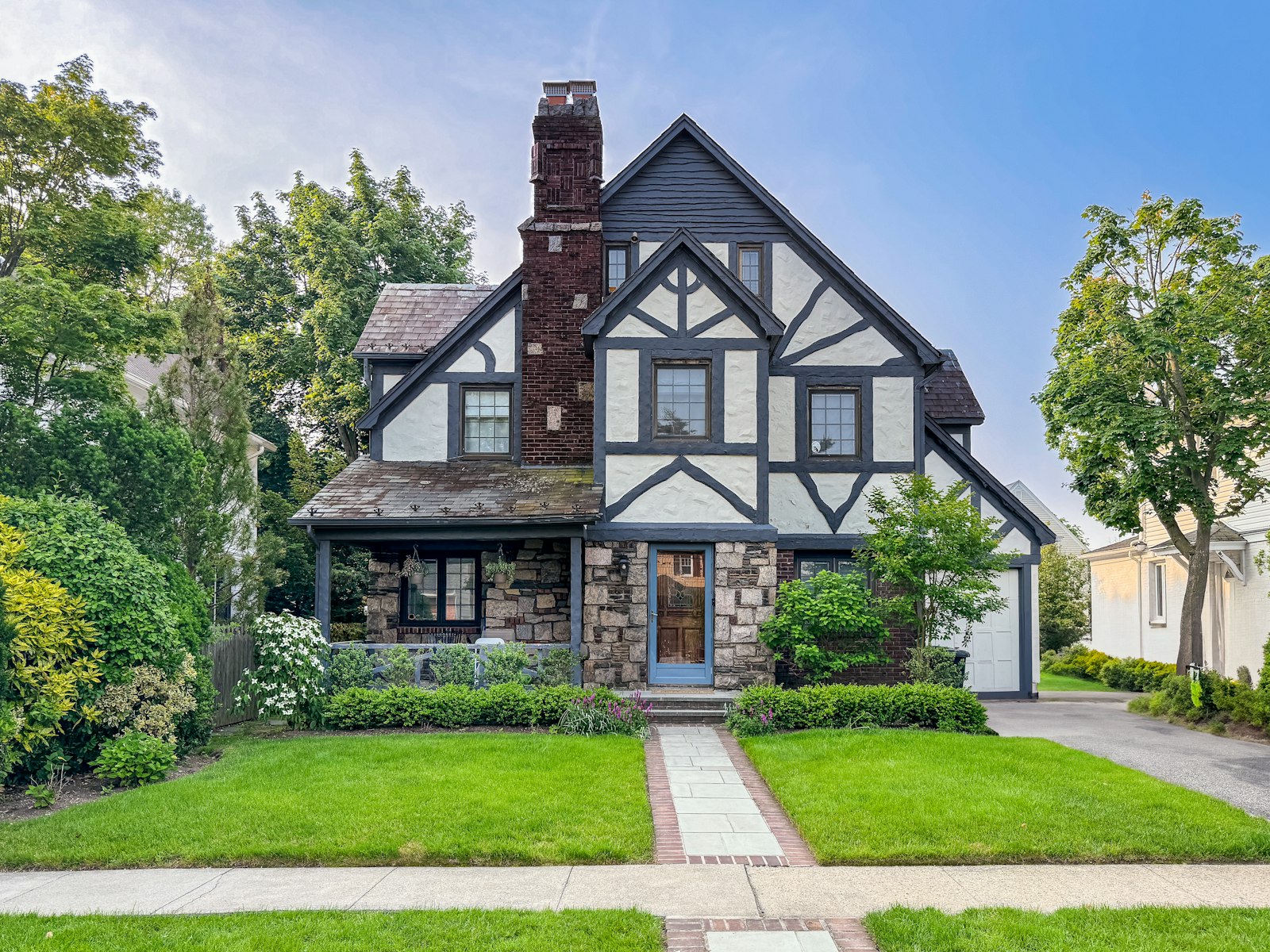
The seller of a Connecticut residential property of four dwelling units or less, including a cooperative or a condominium, must give the buyer a residential property condition report before the buyer signs a binder, a contract, an option, or a lease with a purchase option.
Who fills out the form?
If the seller does not, C.G.S. 20-327c requires a $500 credit to the purchaser at closing. The purchase agreement has to require that credit. The Department of Consumer Protection form says the seller completes it, not the licensee. A broker still has to disclose material facts under section 20-328-5a of the regulations. Those are two duties. The seller's form is the seller's knowledge. The broker's duty does not move onto the seller's blank, and the seller's blank does not cancel the broker's duty. If the form is handed over already filled by someone who does not own the house, ask who signed it.
The report is not a warranty. It is not a substitute for an inspection. A clean form does not mean the roof, the septic system, or the wiring was tested. Hire the inspection on its own calendar. The $500 credit is the remedy for a missing report. It is not a cap on the cost of a defect the inspection finds.
What the $500 credit does not excuse
The statute, as printed in the 2020 Connecticut General Assembly supplement, says the credit does not excuse the seller from disclosing a defect that is subject to section 20-327b, is within the seller's actual knowledge, and significantly impairs value, the health or safety of future occupants, or the useful life of the property. The buyer may sue for actual damages. A seller who knows about a significant defect cannot buy silence with the $500 credit.
Public Act 12-122 raised the credit from $300 to $500, effective July 1, 2012. An older Department PDF that still says $300 is obsolete. Use $500. The Department form and the 2020 supplement agree on that figure. No buyer revocation period, in days, was on the pages used here. Do not invent a three-day or five-day cancellation. The fetched remedy for a missing report is the $500 credit, plus damages if a known significant defect was withheld.
Other papers that are not this form
Flood insurance is not created by a water answer on the condition report. Homeowners policies effective on or after July 1, 2026 must say flood is excluded and must say how to buy flood coverage. See that notice. The FAIR Plan, if standard insurers decline the house, has its own dwelling cap of $350,000. See the FAIR Plan limits.
The conveyance tax is computed on the consideration, not on whether the condition report was delivered. See the conveyance tax. An assessment appeal, if the tax seems high after you own the house, is a February 20 filing with the Board of Assessment Appeals in the legislative research report. See that appeal. The condition report does not freeze the assessment.
What to do before you sign
Ask for the report before the binder. Four units or fewer includes a condo and a co-op. If the seller will not produce it, the contract you sign should still require the $500 credit at closing. Read the credit line yourself. A contract that is silent does not match the statute's instruction that the purchase agreement must require the credit.
Schedule the inspection anyway. Keep a copy of the report with the date you received it. If a defect the seller knew about was left off, the damages claim is separate from the $500. A mover's bill of lading and an auto policy do not document the condition of the house. See the mover certificate only when the dispute is the shipment, not the roof.
What to keep if you close without the form
Keep the purchase-agreement page that requires the $500 credit. At closing, that credit should appear on the settlement statement as a credit to the purchaser. A missing line is the page to show the closer. The statute says the agreement must require the credit. It does not say the credit replaces an inspection, and it does not cap a lawsuit over a known significant defect.
Four dwelling units or fewer is the threshold on the Department form, and cooperatives and condominiums are inside that group. A larger apartment building is outside this form. Public Act 12-122 is the act that set the credit at $500 on July 1, 2012. If an older photocopy still says $300, the supplement and the current Department form are the pages that say $500.
FAQ
When is the report due? Before the buyer signs a binder, contract, option, or lease with a purchase option.
What if the seller never gives it? The seller credits the purchaser $500 at closing, and the purchase agreement must require that credit.
Is $300 still the number? No. Public Act 12-122 raised it to $500 effective July 1, 2012.
Is the form a warranty? No. It is not a warranty and not a substitute for an inspection.
Is there a set number of days to cancel after you receive it? No revocation period in days was on the Department form or the statute pages used here.
Next step
Ask for the residential condition report before you sign the binder or the contract. If it is missing, read the purchase agreement for the $500 credit at closing before you treat the form as optional.
Sources: Department of Consumer Protection, residential property condition report; Connecticut General Assembly, 2020 supplement, chapter 392.
Antes de contratar: Connecticut tiene 20,958 licencias de bienes raíces activas, según el archivo de Connecticut Department of Consumer Protection al 2 de noviembre de 2026. Verifica gratis la licencia de cualquier agente.
Información general para Connecticut. No es una predicción de precios ni un consejo sobre ninguna propiedad específica. Confirma las reglas vigentes y las condiciones locales con el tasador del pueblo y con un agente con licencia.
Los agentes que publiquen una versión con pocos cambios en su propio dominio deben poner una etiqueta canonical que apunte a esta URL.
Agrega tu negocio al centro regional de Connecticut, gratis: Bienes raíces