Este artículo está disponible solo en inglés.
Connecticut Assessments: 70 Percent of Fair Market Value
James Brazil vive en Mérida, México. Fundó Swift Agent Sites y estudió Clásicas en la Universidad de Mississippi.
Publicado el · Actualizado el
Bienes raíces para compradores · Bienes raíces para vendedores
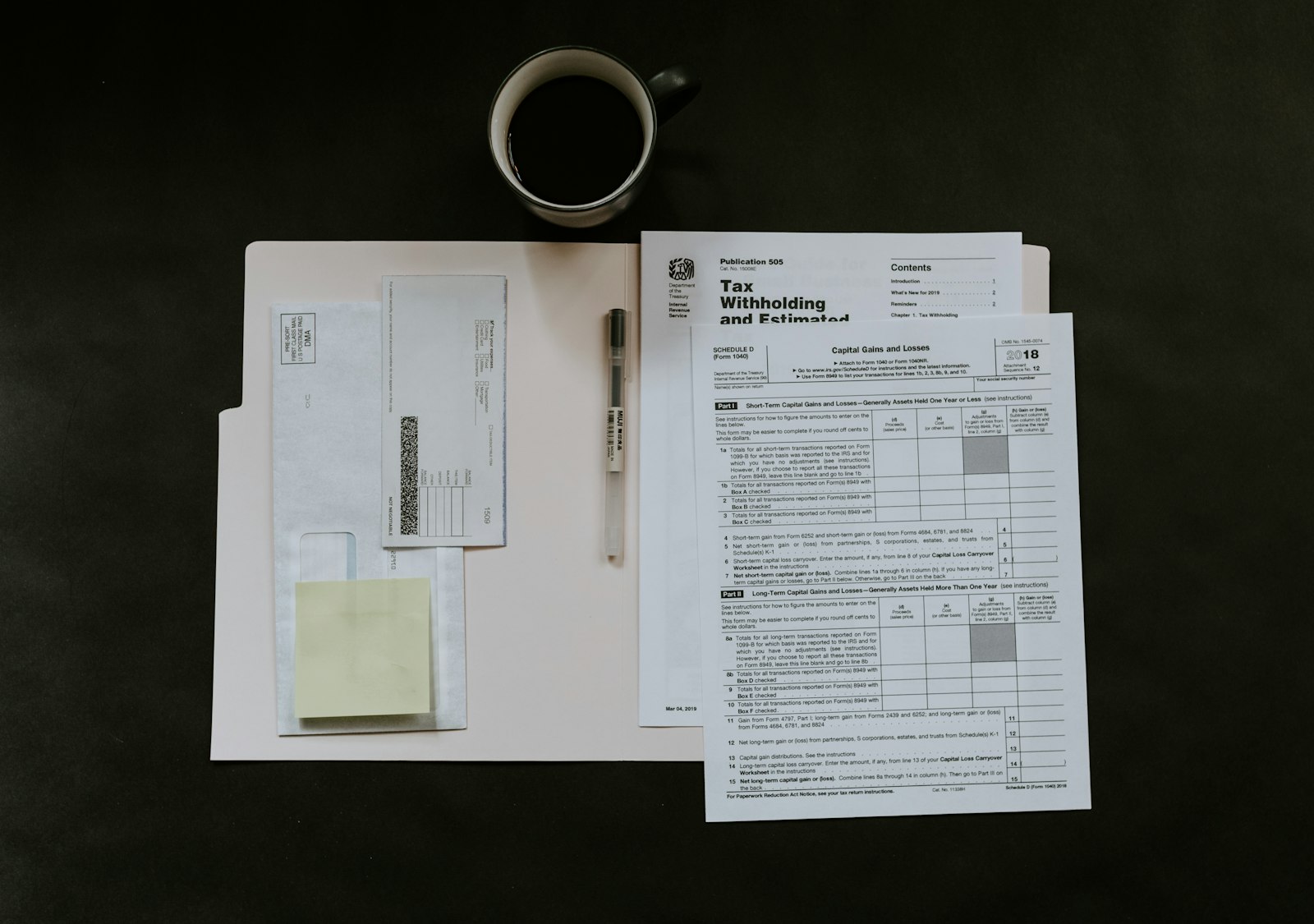
Office of Legislative Research report 2023-R-0006 says that since Public Act 74-299, Connecticut municipalities assess property at 70 percent of fair market value under C.G.S. 12-62a. The report's own note says Hartford uses a different ratio for residential property. Ask the assessor which ratio is printed on your notice.
What 70 percent is, and what it is not
Hartford's ratio is not in that report, so this article does not invent one. Ask the Hartford assessor for the residential ratio that office is using. The assessment is the number the town multiplies by its mill rate to produce the tax. If fair market value is the town's number for the house, the assessment is 70 percent of that number in a town that follows the statute the report describes. A sale price and the town's fair market value are not always the same figure. The appeal, if you disagree, challenges the assessor's action. It does not let you substitute a neighbor's asking price and multiply by 0.70 yourself and call the result the legal assessment.
The report is legislative research. It cites the statute. It is not a 2026 revaluation notice from your town. Read the notice the assessor mailed. If the notice shows a different ratio, ask which statute or special act the town is applying. Outside Hartford, the report's rule is 70 percent. Inside Hartford, stop at the report's statement that the residential ratio is different, and get the number from the city.
How this sits next to the February appeal
OLR 2018-R-0309 says the written appeal to the Board of Assessment Appeals is due on or before February 20, with a hearing in March, unless a revaluation extension moves the dates. See that calendar. Bring the ratio into the hearing. An argument that the town assessed at 100 percent of a sale, in a town required to use 70 percent, is a different argument from a claim that the sale was not fair market value. Commercial, industrial, utility, or apartment property assessed over $1 million does not automatically get that hearing.
A court appeal after a timely board case is within two months of the board's notice, according to OLR 2010-R-0118, which the February article also cites. A direct court case, skipping the board, is limited to a manifestly excessive assessment with misfeasance or nonfeasance, within one year of the valuation date. The 70 percent rule does not extend those deadlines.
Credits and the conveyance tax use other math
The elderly and disabled circuit breaker is a credit of up to $1,250 or $1,000, applied for between February 1 and May 15, with 2025 income ceilings of $46,300 and $56,500 in the OPM booklet. See the circuit breaker. The credit does not change the 70 percent ratio. It reduces the tax for a person who qualifies. A homeowner who is not 65 and not totally disabled does not get the credit because the assessment ratio is 70 percent.
The conveyance tax uses consideration, starting at $2,000, with a state rate of 0.75 percent and a municipal rate of 0.25 percent, and higher state tiers at $800,000 and $2,500,000. See the conveyance tax. Do not take 70 percent of the sale price and then apply 0.75 percent. The recording tax and the annual assessment are separate calculations on separate days.
The condition report and the insurance policy
A seller's condition report is due before the buyer signs, and a missing report means a $500 credit under C.G.S. 20-327c. See that credit. The report does not state the assessment ratio. A disclosure about the roof does not tell you whether the town used 70 percent.
Insurance limits are not assessments. The FAIR Plan dwelling cap of $350,000 is a policy limit in a regulation, not a town's fair market value. See the FAIR Plan. A flood-exclusion notice on a policy effective on or after July 1, 2026 does not change the grand list. See the notice. Auto liability of 25/50/25 is a different card entirely. See the auto minimums.
What to ask the assessor
Ask for the fair market value the town used and the ratio applied to it. In a town following C.G.S. 12-62a as the 2023 report describes it, the ratio is 70 percent. In Hartford, ask for the residential ratio the report says is different, and do not fill the blank with 70 if the city says otherwise. Ask whether the year is a revaluation year, because that can move the appeal dates.
Keep the notice, the ratio, and the February deadline in one folder. If you also qualify for the circuit breaker, file that application in the February 1 to May 15 window even while an appeal is pending. One folder is the value. The other folder is the credit. The town will not merge them because you asked once.
FAQ
What ratio does the report state? 70 percent of fair market value, since Public Act 74-299, under C.G.S. 12-62a.
Does Hartford use 70 percent for houses? The report says Hartford uses a different residential ratio. It does not state the number. Ask the city.
Is 70 percent of the sale price the conveyance tax? No. The conveyance tax uses the consideration and the rates in section 12-494. The assessment ratio is for the annual property tax.
Does the circuit breaker change the ratio? No. It is a separate credit for qualifying older or disabled homeowners.
Where did this 70 percent figure come from? Office of Legislative Research report 2023-R-0006. It is not a substitute for the assessor's notice.
Next step
Read the assessment notice for the ratio. If you are outside Hartford and the notice is not 70 percent of the town's fair market value, ask the assessor why before the February 20 appeal date. If you are in Hartford, ask for the residential ratio the city is using.
Antes de contratar: Connecticut tiene 20,958 licencias de bienes raíces activas, según el archivo de Connecticut Department of Consumer Protection al 2 de noviembre de 2026. Verifica gratis la licencia de cualquier agente.
Información general para Connecticut. No es una predicción de precios ni un consejo sobre ninguna propiedad específica. Confirma las reglas vigentes y las condiciones locales con el tasador del pueblo y con un agente con licencia.
Los agentes que publiquen una versión con pocos cambios en su propio dominio deben poner una etiqueta canonical que apunte a esta URL.
Agrega tu negocio al centro regional de Connecticut, gratis: Bienes raíces