Este artículo está disponible solo en inglés.
California Supplemental Tax Bills and the $7,000 Exemption
James Brazil vive en Mérida, México. Fundó Swift Agent Sites y estudió Clásicas en la Universidad de Mississippi.
Publicado el · Actualizado el
Bienes raíces para compradores
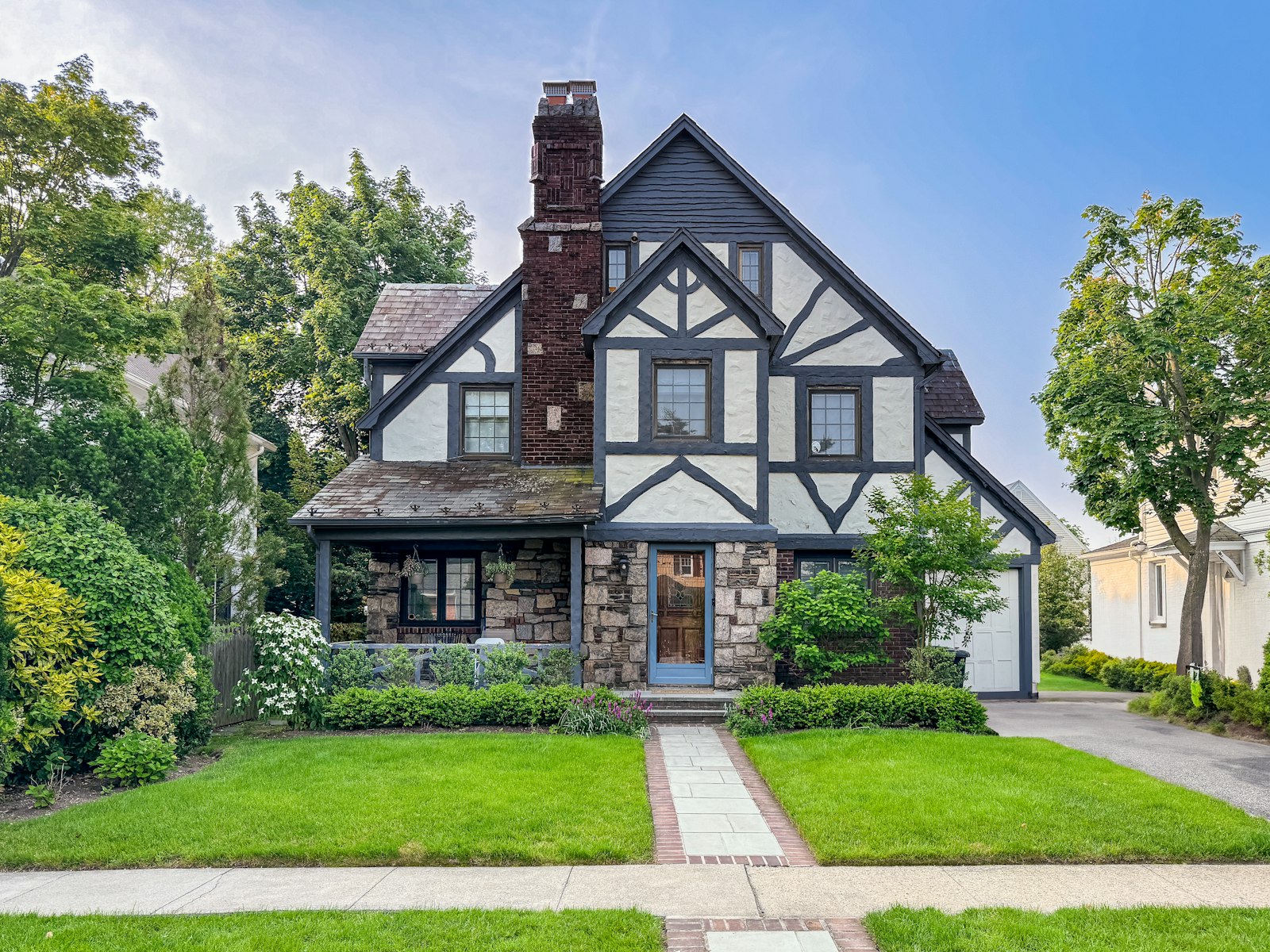
If you bought a California home this year, expect a supplemental property tax bill on top of your regular one. The county reassesses it at purchase-date value and bills the difference for the rest of the fiscal year. Also file for the homeowners' exemption. It cuts $7,000 from taxable value, and the deadline for the full year is February 15.
Both of these catch new owners off guard. The supplemental bill usually shows up months after closing, often after escrow is long done, and it doesn't always go through your mortgage impound account. The exemption is small, but it's yours, and the county won't apply it unless you ask.
Why did I get a supplemental tax bill?
Because buying a home is a "change in ownership" under Proposition 13. The California State Board of Equalization (BOE) explains that the county assessor reappraises the property at its current market value as of the date you took ownership.
The assessor then subtracts the prior owner's assessed value from your new one. That difference is the net supplemental value. The county auditor-controller turns it into a prorated bill covering the period from the first day of the month after your purchase through June 30, the end of the fiscal year.
If you bought between January 1 and May 31, the BOE says you'll get two supplemental assessments. One covers what's left of the current fiscal year. The second covers the entire next fiscal year, because the regular roll for that year was already set on January 1.
Supplemental bills can go down too. If the new value is lower than the old one, the BOE says you get a refund.
How does Prop 13 set my taxes going forward?
Proposition 13 limits the general property tax rate to 1% of assessed value, plus any rate needed to pay for local voter-approved bonds. That's why your bill shows a little more than 1% in most places.
Your purchase price, more or less, becomes your base year value. After that, the BOE says your assessed value generally can't rise more than 2% a year while you own the home, even if market values climb faster. It resets on the next change in ownership or when new construction is completed.
That's the core of the system. Long-time owners often pay much less than new buyers on the same street, because their base year is older.
Should my lender pay the supplemental bill?
Ask before you assume. Los Angeles County's Treasurer and Tax Collector, for one, says supplemental bills are mailed to the property owner, not the lender, even when you have an impound account. Call your servicer and ask. If it won't pay, the bill is on you, with its own due dates.
A good habit is to set money aside after closing. A rough estimate: take the difference between your purchase price and the prior owner's assessed value, multiply by your local tax rate, then prorate for the months left in the fiscal year. Your county assessor or tax collector may have an estimator.
How do I claim the $7,000 homeowners' exemption?
The California Constitution gives a $7,000 reduction in taxable value for an owner-occupied home. At a 1% rate, that's roughly $70 a year. Not huge, but it's real money, every year.
The BOE's rules:
- The home has to be your principal residence on the lien date, January 1
- You file Form BOE-266, Claim for Homeowners' Property Tax Exemption, with your county assessor
- It's a one-time filing. You don't re-file every year
- First-time filers can file any time after becoming eligible, but no later than February 15 to get the full exemption for that year
Many county assessors mail the form to new owners after a sale is recorded. If you haven't seen one, download it from your assessor's site.
The BOE also says supplemental assessments don't wipe out an exemption you're eligible for. If granted, the exemption applies to the supplemental amount as well.
What if I move out or rent the home?
Tell the assessor. The BOE says you're responsible for notifying the county when you're no longer eligible. December 10 is the last day to end the exemption without a penalty.
If you sell and buy again in California and you're 55 or older, severely disabled, or a disaster victim, you may be able to bring your old tax base with you. See California Prop 19 base year transfers.
FAQ
What is a supplemental property tax bill in California?
A prorated bill for the difference between the prior assessed value and your new market-value assessment after a purchase or completed new construction. It's separate from the regular annual bill.
Why did I get two supplemental bills?
The BOE says purchases between January 1 and May 31 get two: one for the rest of the current fiscal year and one for the full next fiscal year.
How much does the homeowners' exemption save?
It reduces taxable value by $7,000. At the 1% base rate, that's about $70 a year, before local bond rates.
When is the homeowners' exemption deadline?
File BOE-266 by February 15 to get the full exemption for that year. It's a one-time filing.
Does Prop 13 cap my taxes at 2% a year?
It generally caps increases in assessed value at 2% a year while you own the home. Voter-approved bond rates and special assessments can still change.
Next step
A licensed local real estate agent can walk you through what to expect on your first tax bills and point you to your county assessor's forms. If you're still shopping, ask for the current assessed value on any home you're considering so you can estimate the supplemental bill. More guides are on the California real estate page.
Sources: BOE: Supplemental Assessments, BOE: California Property Tax: An Overview (Pub. 29), BOE: Homeowners' Exemption, LA County TTC: New Property Owner.
Antes de contratar: California tiene 291,576 licencias de bienes raíces activas, según el archivo de California Department of Real Estate al 7 de noviembre de 2026. Verifica gratis la licencia de cualquier agente.
Información general para California. No es una predicción de precios ni un consejo sobre ninguna propiedad específica. Confirma las reglas vigentes y las condiciones locales con el tasador del condado y con un agente con licencia.
Los agentes que publiquen una versión con pocos cambios en su propio dominio deben poner una etiqueta canonical que apunte a esta URL.
Agrega tu negocio al centro regional de California, gratis: Bienes raíces