Este artículo está disponible solo en inglés.
California Seller Disclosures: TDS, NHD, and Your Right to Cancel
James Brazil vive en Mérida, México. Fundó Swift Agent Sites y estudió Clásicas en la Universidad de Mississippi.
Publicado el · Actualizado el
Bienes raíces para compradores · Bienes raíces para vendedores
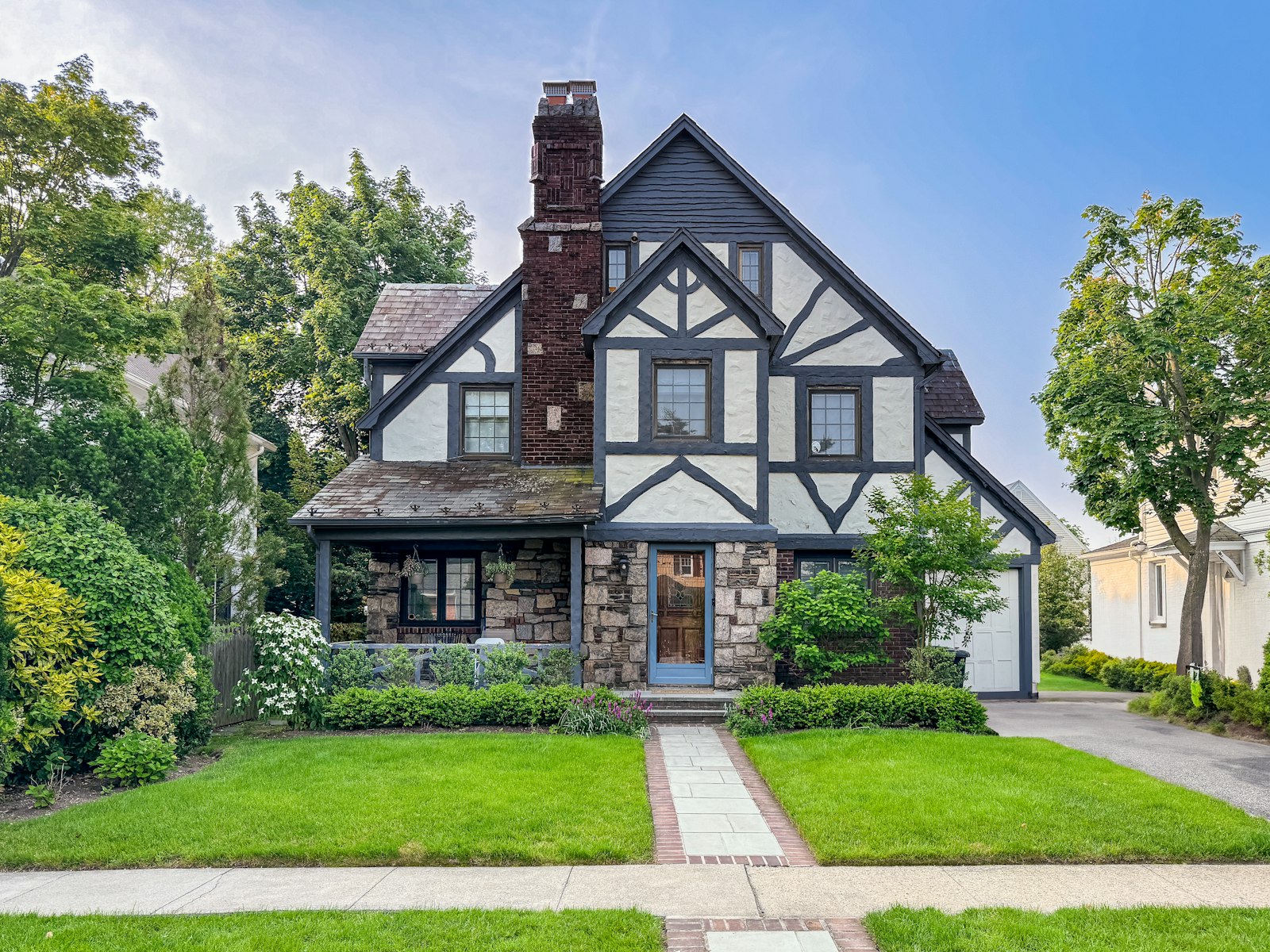
California sellers of most one-to-four unit homes must give buyers a Real Estate Transfer Disclosure Statement (TDS) and a Natural Hazard Disclosure (NHD) statement. If those forms reach the buyer after an offer is accepted, the buyer gets three days after in-person delivery, or five days after mail or electronic delivery, to cancel in writing.
That cancellation window is the piece most buyers don't know about. It's in Civil Code section 1102.3, and it's one reason California agents push to get disclosures delivered early.
What is the Transfer Disclosure Statement?
The TDS is the seller's written statement about the property's condition. California's disclosure law, Civil Code sections 1102 through 1102.19, requires it for sales of single-family residential property, with some exemptions.
The form has sections the seller fills in, plus sections for the agents. Section 1102.3 says the cancellation clock starts once Sections I and II, and Section III if the seller has an agent, are completed and delivered to the buyer or the buyer's agent. A seller can't just hand over a half-done form and start the clock.
On timing, section 1102.3 says the seller has to deliver it "as soon as practicable before transfer of title." For a sale by real property sales contract or a lease with an option to buy, it's due before the contract is executed.
What is the Natural Hazard Disclosure?
The NHD tells the buyer whether the property sits in certain state or federally mapped hazard areas. Under Civil Code section 1103, the zones are:
- A FEMA special flood hazard area (any Zone A or V)
- An area of potential flooding from dam failure, under the Water Code
- A very high fire hazard severity zone
- A state responsibility area for wildland fire, subject to defensible space rules
- An earthquake fault zone
- A seismic hazard zone, which covers landslide and liquefaction areas
The duty is triggered if the seller or the seller's agent actually knows the property is in the zone, or if the local agency has received the map and posted notice at the county recorder, assessor, and planning offices. Most sellers order an NHD report from a third-party provider that checks the maps.
Section 1103 also says any waiver of these rules is void. A buyer can't sign them away.
How does the 3-day or 5-day cancellation work?
If a required disclosure, or a material amendment to one, is delivered after the buyer's offer is accepted, the buyer can terminate the offer by sending written notice to the seller or the seller's agent:
- Within three days after delivery in person
- Within five days after delivery by mail
- Within five days after electronic delivery, if the parties agreed to do the deal electronically
That's the statute. Your purchase contract may have its own contingency periods on top of it. Know both sets of dates.
What should buyers do with these forms?
Read them, slowly, the day you get them. Then check the parts that matter to money.
A few practical steps:
- Compare the TDS against your home inspection. If the seller says "no known leaks" and the inspector finds water stains, ask
- If the NHD shows a flood zone, get a flood insurance quote before your contingencies end
- If it shows a very high fire hazard severity zone, start shopping home insurance right away. Some buyers end up on the California FAIR Plan
- If it shows an earthquake fault or seismic hazard zone, read up on earthquake coverage
You can also look up an address yourself. FloodFireCheck gives a quick read on flood and fire exposure, which is a useful second look next to the NHD report.
What should sellers do?
Fill out the TDS honestly and completely. When in doubt, disclose. Problems you knew about and didn't mention are the classic source of post-closing lawsuits.
Order the NHD report early so it's ready to go with the listing packet. Delivering both forms before the buyer makes an offer, where your agent's process allows it, means there's no post-acceptance cancellation window to worry about.
If something changes after delivery, like a new roof leak, amend the disclosure. Remember that a material amendment delivered after acceptance restarts the buyer's right to cancel.
Selling to buy again? If you're 55 or older, check whether Prop 19 lets you take your tax base with you.
FAQ
Is a seller disclosure required in California?
For most sales of single-family residential property, yes. Civil Code sections 1102 and 1103 require the Transfer Disclosure Statement and the Natural Hazard Disclosure, with some exemptions.
How long does a buyer have to cancel after late disclosures?
Three days after in-person delivery, or five days after delivery by mail or electronic delivery, under Civil Code section 1102.3.
What hazard zones go on the NHD?
FEMA flood zones A or V, dam-failure inundation areas, very high fire hazard severity zones, state responsibility wildland fire areas, earthquake fault zones, and seismic hazard zones.
Can a buyer waive natural hazard disclosures?
No. Civil Code section 1103 says any waiver is void as against public policy.
Does an as-is sale skip disclosures?
Selling as is doesn't remove the statutory disclosure duties. Ask your agent which exemptions, if any, apply to your sale.
Next step
A licensed local real estate agent can get disclosures delivered at the right time, explain each hazard zone on the report, and track your cancellation and contingency deadlines. Bring any questions about the forms before your windows close. More guides are on the California real estate page.
Sources: Cal. Civ. Code § 1102.3, Cal. Civ. Code § 1103.
Antes de contratar: California tiene 291,576 licencias de bienes raíces activas, según el archivo de California Department of Real Estate al 7 de noviembre de 2026. Verifica gratis la licencia de cualquier agente.
Información general para California. No es una predicción de precios ni un consejo sobre ninguna propiedad específica. Confirma las reglas vigentes y las condiciones locales con el tasador del condado y con un agente con licencia.
Los agentes que publiquen una versión con pocos cambios en su propio dominio deben poner una etiqueta canonical que apunte a esta URL.
Agrega tu negocio al centro regional de California, gratis: Bienes raíces