Este artículo está disponible solo en inglés.
Why Your Washington Property Tax Can Rise More Than 1%
James Brazil vive en Mérida, México. Fundó Swift Agent Sites y estudió Clásicas en la Universidad de Mississippi.
Publicado el · Actualizado el
Bienes raíces para compradores · Bienes raíces para vendedores
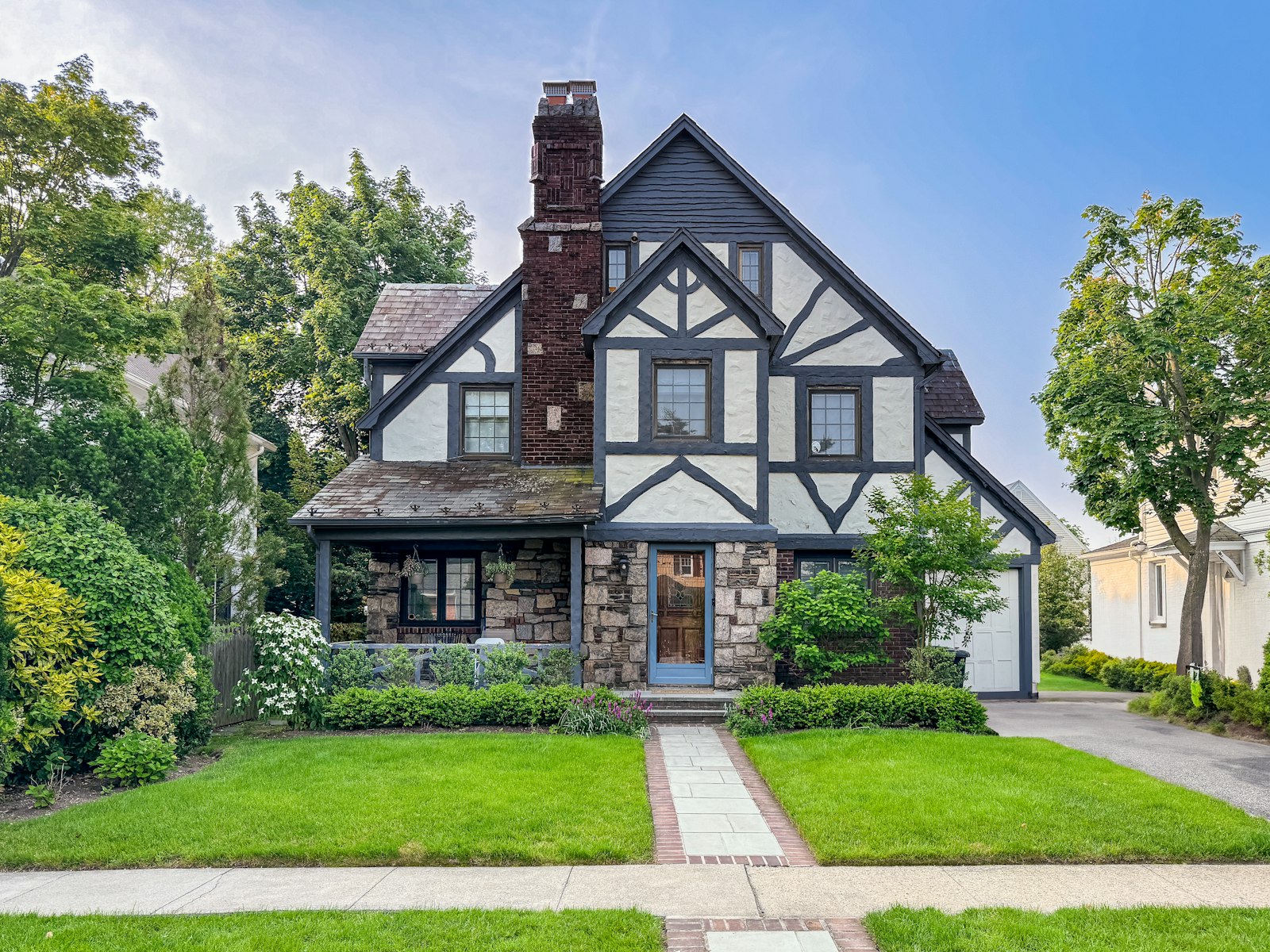
Washington's 1% limit caps how much more revenue each taxing district can collect from one year to the next. It doesn't cap your individual bill. Your tax can rise more than 1% if your home's value climbed faster than your neighbors', if voters approved new levies, or if a district used a levy lid lift or banked capacity.
This is budget season. Cities, counties and other districts send their budgets to county officials by November 30, and the bills built on them arrive early next year. Here's how the system works, so a jump on your 2027 statement doesn't come as a shock.
How is Washington property tax calculated?
Washington runs a budget-based system. Each district (the county, your city, your school district, fire, library, port and so on) decides how much it needs to levy. The county then sets a rate per $1,000 of assessed value so that total comes in. Your bill is your assessed value times the combined rates of every district that covers your address.
According to the Department of Revenue, the statewide average levy rate was $8.96 per $1,000 of assessed value for taxes due in 2025. That broke down to:
- $3.76 for local regular levies
- $2.87 for local voter-approved levies
- $2.32 for the state school levy
Statewide, 56.3% of property taxes went to schools in 2025.
What does the 1% levy limit actually limit?
Under RCW 84.55.010, a district's regular levy generally can't grow more than 1% a year over its highest lawful levy, plus extra revenue from new construction and improvements added to the rolls. A district also has to hold a public meeting and pass a resolution or ordinance before taking that increase.
The limit is on the district's total take. When home values rise across a district, the rate usually drops so the district doesn't collect more than the 1% allows.
Why did my bill go up more than 1%?
The Department of Revenue gives a clear example. A city collects $1,000,000 at $1.00 per $1,000 on $1 billion of value. Values rise an average of 15%, so the city can levy only $1,010,000 the next year, and the rate falls to about $0.878 per $1,000. Three homes that each paid $200 end up in different places:
- Home A rose 10% in value. Its tax drops to $193.22.
- Home C rose 15%, the average. Its tax goes to $202.00, a 1% increase.
- Home B rose 20%. Its tax rises to $210.78, up 5.39%.
So if your assessment jumped more than the typical home in your area, your share goes up. If you think the assessed value is wrong, that's an appeal question, covered in our guide to the Washington Board of Equalization appeal.
What isn't covered by the 1% limit?
Several things sit outside it, and they're often the bigger driver:
- Voter-approved levies. School enrichment levies, bond levies and most other voter-approved measures aren't subject to the 1% cap.
- Levy lid lifts. Voters can approve letting a district raise its levy above the 1% path, up to its statutory maximum rate.
- Banked capacity. If a district levied less than it could in past years, it can use that unused room later, so one year's increase can exceed 1%.
- New construction. New homes and improvements add revenue on top of the 1%.
The state school levy is also different for 2027. The Department says ESSB 6162 makes it a rate-based tax of $2.075355 per $1,000 of market value for the 2027 tax year, then returns it to the 1% growth limit starting in 2028.
When is the bill due, and what if I pay late?
Tax statements go out early in the year. Under RCW 84.56.020, the first half is due April 30 and the second half October 31, when the bill is $50 or more.
The Department of Revenue's property tax page lays out the cost of paying late:
- After April 30, unpaid tax is delinquent and draws 1% interest a month.
- If it's still unpaid June 1, a 3% penalty is added.
- If you miss October 31 on the second half, interest starts on that amount.
- Anything still owing December 1 picks up an additional 8% penalty.
What should buyers check before making an offer?
Look at the current tax statement and the levy list on it, not just the dollar total. A house just across a city line or school district boundary can carry a different combined rate. Then check your county's ballot results for upcoming levies or lid lifts.
Remember that the seller's bill reflects the seller's assessed value and any exemptions they had. If you're a senior or have a disability and your income is limited, see whether you'd qualify for the senior and disabled property tax exemption or deferral, which can also exempt you from the state school levy.
FAQ
Does Washington cap property tax increases at 1%?
Not on individual homes. The 1% limit applies to each taxing district's regular levy revenue. Your own bill can rise more or less than 1% depending on how your value changed compared with others in the district and on voter-approved levies.
What is a levy lid lift in Washington?
It's a ballot measure that lets a district raise its regular levy above the 1% limit, up to the district's statutory maximum rate.
When are Washington property taxes due?
The first half is due April 30 and the second half October 31 for bills of $50 or more. Late payments draw 1% monthly interest plus penalties of 3% on June 1 and 8% on December 1.
Why is my rate lower but my tax higher?
When values rise across a district, rates fall to hold revenue to the allowed growth. If your home's value rose faster than average, your share of the levy still grows.
Next step
A licensed local real estate agent can pull the tax history and levy breakdown for homes you're considering, and point out how district lines and recent ballot measures affect what you'll actually pay in Washington.
Sources: Washington DOR, Property tax: How the 1% property tax levy limit works; Washington DOR, Property tax; RCW 84.55.010, levy limit; RCW 84.56.020, due dates and tax statements.
Información general para Washington. No es una predicción de precios ni un consejo sobre ninguna propiedad específica. Confirma las reglas vigentes y las condiciones locales con el condado y con un agente con licencia.
Los agentes que publiquen una versión con pocos cambios en su propio dominio deben poner una etiqueta canonical que apunte a esta URL.
Agrega tu negocio al centro regional de Washington, gratis: Bienes raíces