Este artículo está disponible solo en inglés.
Buying a Modular or Manufactured Home in Texas: What to Check
James Brazil vive en Mérida, México. Fundó Swift Agent Sites y estudió Clásicas en la Universidad de Mississippi.
Publicado el · Actualizado el
Bienes raíces para compradores
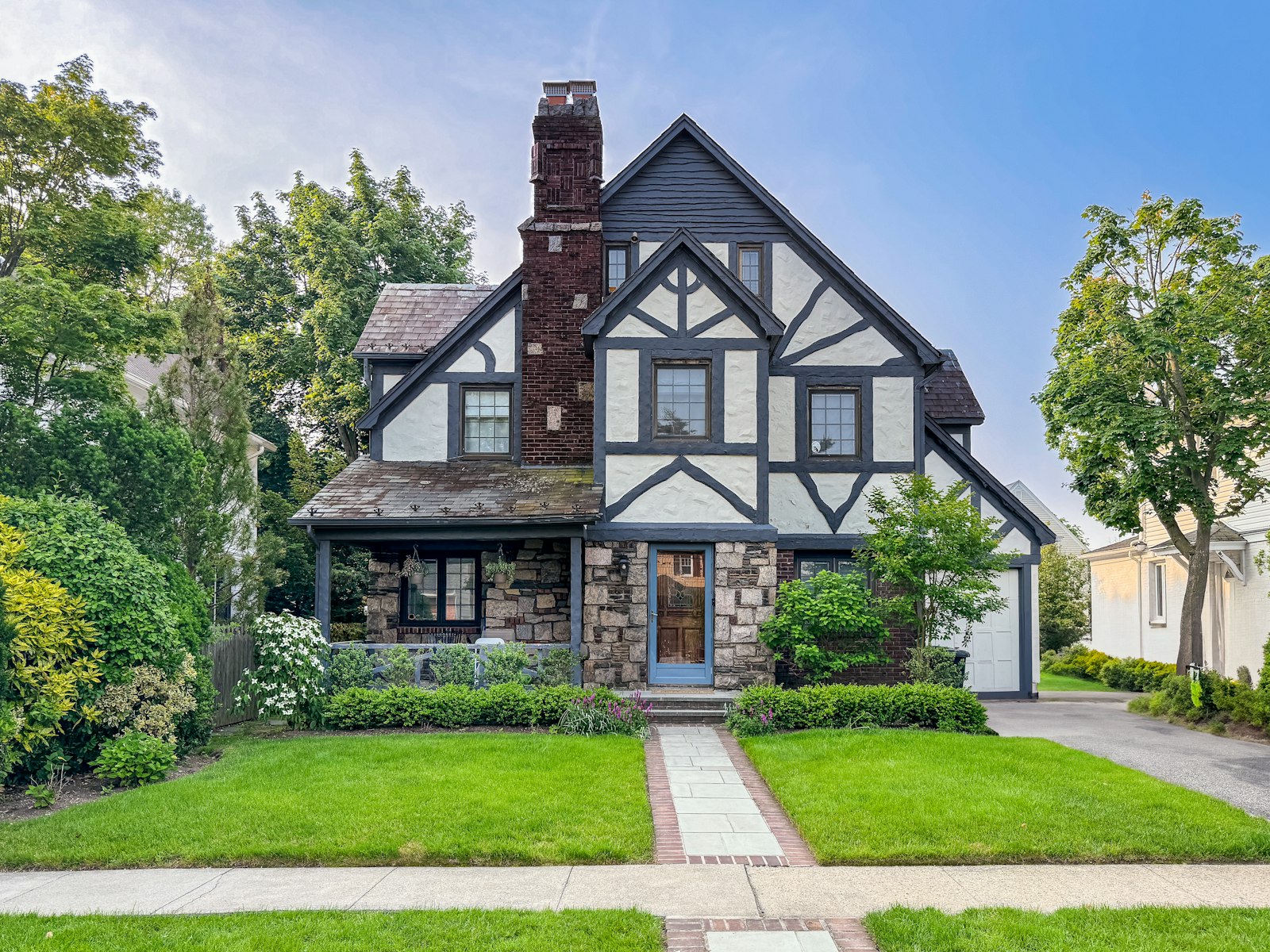
In Texas, a modular home and a manufactured home are regulated by two different state agencies, and that changes nearly everything about the purchase. Modular homes are built to the same codes as site-built houses and usually become real property. Manufactured homes are built to the federal HUD code and start out as personal property, tracked by a Statement of Ownership.
People use the two words loosely, and so do some ads. Before you compare prices, figure out which one you're actually looking at.
What's the difference between modular and manufactured in Texas?
The Texas Department of Licensing and Regulation runs the Industrialized Housing and Buildings program, which covers modular homes. Its FAQ lays out the main differences:
- Building code. Manufactured homes are built to federal HUD code standards. Industrialized (modular) homes are built to the same codes as traditional site-built housing.
- Foundation. Modular homes must go on a permanent foundation. Manufactured homes can sit on a temporary or permanent one.
- Title. TDLR doesn't issue titles for modular homes. Once installed, a modular house is typically part of the real property and transfers by deed, like any other house.
- Labels. Each modular section carries a Texas certification decal. A manufactured home carries a HUD label or a Texas Seal.
- Zoning. A Texas city can't ban modular homes or push them into areas zoned for manufactured housing.
A steel chassis doesn't settle the question, either. TDLR says modular homes can be built on a chassis, as long as the towing hitch, axles and wheels come off at installation.
What should I check on a modular home?
Because a modular home is treated much like a site-built house, your checklist looks a lot like a regular purchase. A few extras matter, though:
- The decals. Ask to see the IHB certification decal on each module. TDLR says that if a house is already built without them, it's too late to get decals afterward.
- The builder's registration. Modular homes are sold and installed by registered industrialized builders. You can file a complaint with TDLR if something goes wrong.
- The foundation and site work. These usually aren't part of the factory price. Get the foundation, utility hookups, driveway and permits in writing.
- A normal home inspection. It's still a house. Have it inspected before your option period runs out.
What should I check on a manufactured home?
This is where Texas rules get specific. The Texas Department of Housing and Community Affairs handles manufactured housing, and its FAQ is worth reading before you sign anything.
- Ownership doesn't pass at the sale. It passes when a completed Application for Statement of Ownership is filed with TDHCA. That application is due within 60 days of the sale. If you buy from a licensed retailer, it must provide the information, documents and fees the application needs.
- Real or personal property. By default, every manufactured home is personal property. To elect real property, the home has to be attached to land you own or a qualifying long-term lease, and the Statement of Ownership has to be recorded with the county clerk.
- Liens. Any existing lien has to be paid off or the lienholder has to consent before you change the property election or move the home.
- Installation. Only a licensed installer can install or relevel a manufactured home's foundation. You can't do it yourself.
- Wind zone. Gulf Coast counties are Wind Zone II. A home built on or after September 1, 1997, has to meet Wind Zone II standards to be installed there.
If the seller says the home was moved, TDHCA requires a moving permit or a county tax certificate showing no taxes owed at the old location. Ask for it.
What warranties come with a manufactured home?
On a new HUD-code home, Texas requires a manufacturer's warranty and a retailer's warranty that last at least until the first anniversary of installation or closing, whichever is later. The retailer has to hand you copies of those warranties before you sign a binding purchase agreement.
Used homes get less. A person selling a used manufactured home to a consumer as a dwelling has to give a written condition disclosure on a TDHCA form and a written warranty that the home is and will stay habitable until the 60th day after installation or the purchase agreement, whichever is later. TDHCA defines habitable in plain terms: no dangerous defects, working plumbing, heat and electrical, a sound roof and floor, and doors and windows that work.
The installer has to give a written warranty too. Notify the installer in writing about any claim, and don't wait. Unless the warranty says otherwise, claims received more than two years after the later of purchase or installation aren't covered.
How does this affect taxes, insurance and flood risk?
Property tax depends on how the home is classified. A modular home on your land is usually taxed as part of the real estate. For a manufactured home, TDHCA says you'll need to talk with your county about whether a revised Statement of Ownership is needed before you can claim a homestead exemption. Our guide to the Texas homestead exemption covers the application itself.
Insurance is separate from the purchase. If you're buying near the coast, read up on TWIA windstorm coverage. Flood damage isn't covered by a standard homeowners policy, which our note on Texas flood insurance explains. You can look up a property's flood risk at FloodFireCheck before you make an offer.
FAQ
Is a modular home real property in Texas?
Usually, yes. TDLR says a permanently installed modular home is generally part of the real property, with ownership transferred by deed like a site-built house.
Is a manufactured home real property in Texas?
Not by default. A manufactured home is personal property unless the owner elects real property on an Application for Statement of Ownership and records it with the county clerk. The home has to be on land the owner owns or holds under a qualifying long-term lease.
How long do I have to file for a Statement of Ownership?
TDHCA says you must apply within 60 days of the sale or relocation. Ownership doesn't pass until a completed application is filed, so don't let it slide.
What warranty comes with a used manufactured home?
A seller of a used home to a consumer must provide a written condition disclosure and a written warranty that the home will stay habitable until the 60th day after the later of installation or the purchase agreement.
Next step
Before you make an offer on a modular or manufactured home, talk with a licensed local real estate agent. They can help you confirm which kind of home it is, check the paperwork and line up inspections before your deadlines.
Sources: TDLR Industrialized Housing and Buildings program; TDLR IHB Frequently Asked Questions; TDHCA FAQ: Statement of Ownership.
Antes de contratar: Texas tiene 185,436 licencias de bienes raíces activas, según el archivo de Texas Real Estate Commission al 1 de noviembre de 2026. Verifica gratis la licencia de cualquier agente.
Información general para Texas. No es una predicción de precios ni un consejo sobre ninguna propiedad específica. Confirma las reglas vigentes y las condiciones locales con el distrito de avalúo del condado y con un agente con licencia.
Los agentes que publiquen una versión con pocos cambios en su propio dominio deben poner una etiqueta canonical que apunte a esta URL.
Agrega tu negocio al centro regional de Texas, gratis: Bienes raíces