Este artículo está disponible solo en inglés.
Oregon Mover Cargo Insurance Is Not the 60-Cent Valuation on Your Bill
James Brazil vive en Mérida, México. Fundó Swift Agent Sites y estudió Clásicas en la Universidad de Mississippi.
Publicado el · Actualizado el
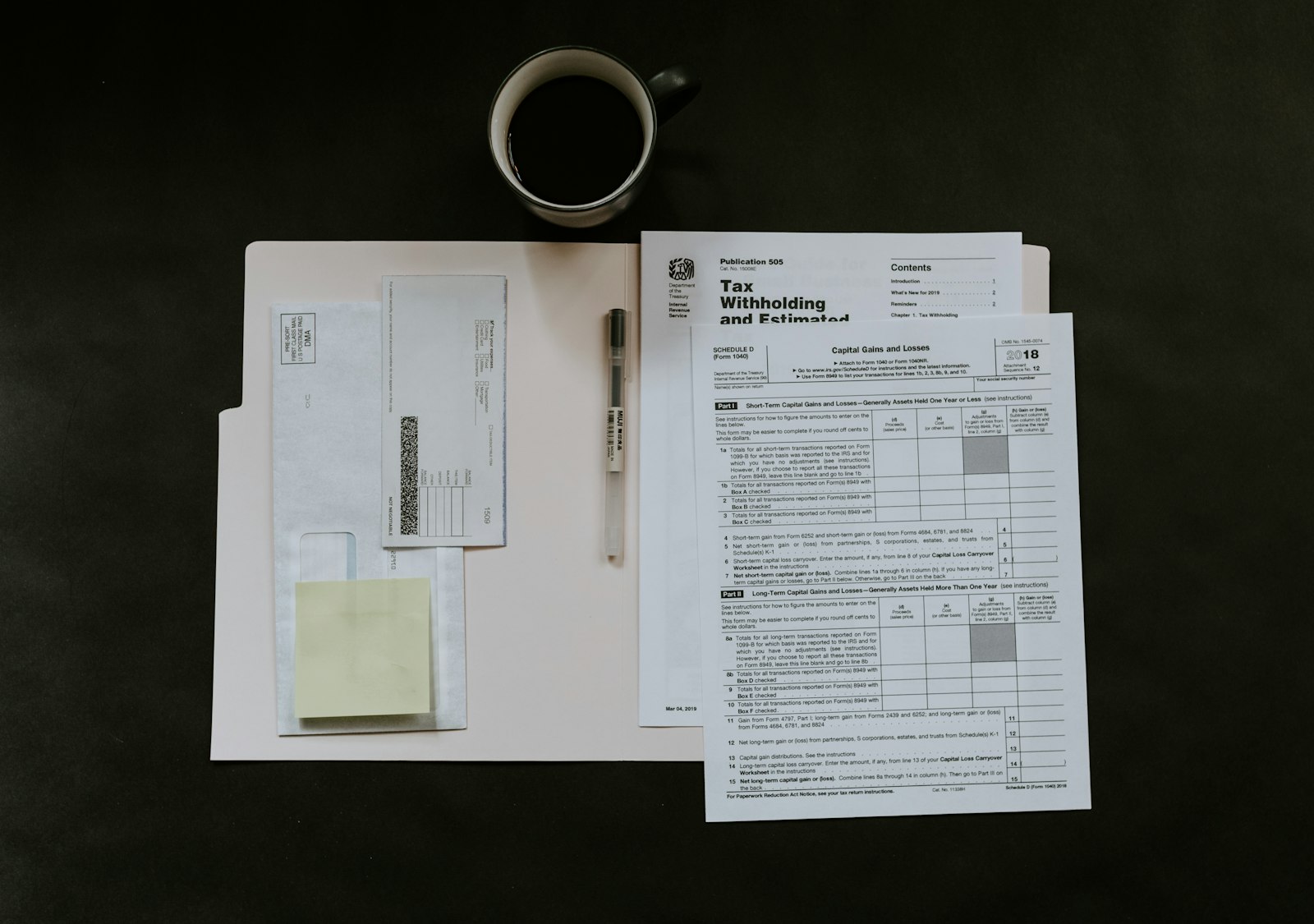
An Oregon household mover files at least $10,000 of cargo insurance with ODOT on Form H. That filing is part of the permit. If you accept released value, the bulletin sets liability at 60 cents per pound per article. The dollar amount on your bill of lading is the number a claim uses.
ODOT's consumer bulletin says a carrier's liability and insurance are different things. The $10,000 figure lets the company hold authority. It does not price a broken table. Read the valuation line before you treat "fully insured" as a dollar promise.
What does the $10,000 filing do?
ODOT's insurance page says cargo insurance is required when a for-hire carrier hauls loads that can be lost or damaged. The minimum is $10,000. The insurer files Form H with the Commerce and Compliance Division. Form H is an insurance-industry form. ODOT does not hand it out. The Class 1A application tells the same story: intrastate for-hire carriers file at least $10,000 of cargo insurance, and household goods are the kind of freight that filing is meant to cover.
The Oregon business-license directory uses the same floor. Before operating, a household-goods applicant certifies cargo insurance or other surety of at least $10,000 to protect shippers against loss or damage. Vehicles over 26,000 pounds that work only in Oregon also need bodily injury and property damage coverage of at least $750,000, filed on Form E. That Form E policy pays other people for injury and property damage. It does not price your sofa.
What does released value pay?
Bulletin 9943 says released value protection charges loss or damage at 60 cents per pound per article, based on the actual weight of the damaged article. You can buy additional valuation from the mover or from an insurance company you choose. The bulletin tells you to ask your own insurer whether your policy applies when a for-hire carrier transports the goods. You are free to buy that coverage from someone other than the mover.
A 40-pound dresser paid at 60 cents a pound is a $24 claim. The $10,000 Form H filing can sit on the company's permit the entire time. The claim file uses the valuation you selected. If you want a higher number, it has to be chosen and paid for before the loss. After a scratch, the bulletin's path is a written claim within three months of delivery. A phone call that asks ODOT to raise the rate does not change the line you already accepted. Weigh the damaged article if the bill uses weight. A guess at "about 40 pounds" is the number the company will argue with.
Which paper do I sign?
The estimate and the bill of lading should name the valuation. Released value is the cheap rate and the thin protection. Additional valuation costs more and raises what the mover can owe. Your own policy is a third contract, with its own deductible and its own list of excluded items. Ask the mover to point to the sentence you are accepting. A line that only says "insurance included" does not tell you which of the three you bought.
Hiring, the certificate check, and the claim window are in how to hire an ODOT-certified mover. A bill that jumps more than 10 percent over the estimate is a payment rule, not a valuation rule. See the 10 percent deferment.
What if the move leaves Oregon?
ODOT says an insurance filing with FMCSA for interstate authority meets Oregon's intrastate filing requirement. The consumer rules change with the route. An interstate move starts at full value protection unless you waive it in writing. The 60-cent Oregon released-value sentence is the in-state bulletin. Do not initial it on a move to another state because the estimator printed an Oregon form. See FMCSA rules when the Oregon move crosses a state line.
FAQ
Does the $10,000 cargo policy mean my shipment is covered for $10,000? No. That figure is the minimum the mover files with ODOT to get authority. Your payment for a damaged article follows the valuation on your paperwork. Released value is 60 cents per pound per article.
What is Form H? Form H is the cargo-insurance certificate the insurer files with ODOT. Form E is the liability filing. ODOT does not accept a generic certificate in place of the filing it requires.
Can I buy coverage from my own insurance company? Yes. The bulletin says you may buy additional protection from the mover or from an insurer you choose, and it tells you to ask whether your current policy already applies to a for-hire move.
When do I have to claim a broken item? The household-goods bulletin says to file the claim with the mover in writing within three months of delivery.
Does Form E pay for my furniture? Form E is bodily injury and property damage liability for the carrier. The cargo filing is Form H. The amount you recover still depends on the valuation you accepted.
Next step
Before loading, circle the valuation on the bill of lading and ask what a total loss of your heaviest items would pay at that rate. If 60 cents a pound is too low, buy the higher valuation or call your own insurer the same day. The $10,000 on file with ODOT will still be $10,000 after the truck leaves.
Sources: ODOT: insurance requirements, ODOT General Information Bulletin 9943, ODOT Class 1A permit application, Oregon license directory: household goods.
Antes de contratar: Verifica gratis la autorización federal y el seguro de una empresa de mudanzas, según los registros de la FMCSA.
Notas generales para mudanzas dentro de Oregon y hacia Oregon. No es una cotización ni una recomendación de ninguna empresa específica. Confirma los detalles con la empresa de mudanzas que contrates.
Los agentes que publiquen una versión con pocos cambios en su propio dominio deben poner una etiqueta canonical que apunte a esta URL.
Agrega tu negocio al centro regional de Oregon, gratis: Mudanzas