Este artículo está disponible solo en inglés.
New Jersey PIP Limits and the Lawsuit Option: What Your Coverage Selection Form Is Asking
James Brazil vive en Mérida, México. Fundó Swift Agent Sites y estudió Clásicas en la Universidad de Mississippi.
Publicado el · Actualizado el
Seguros: Propiedad y accidentes (P&C)
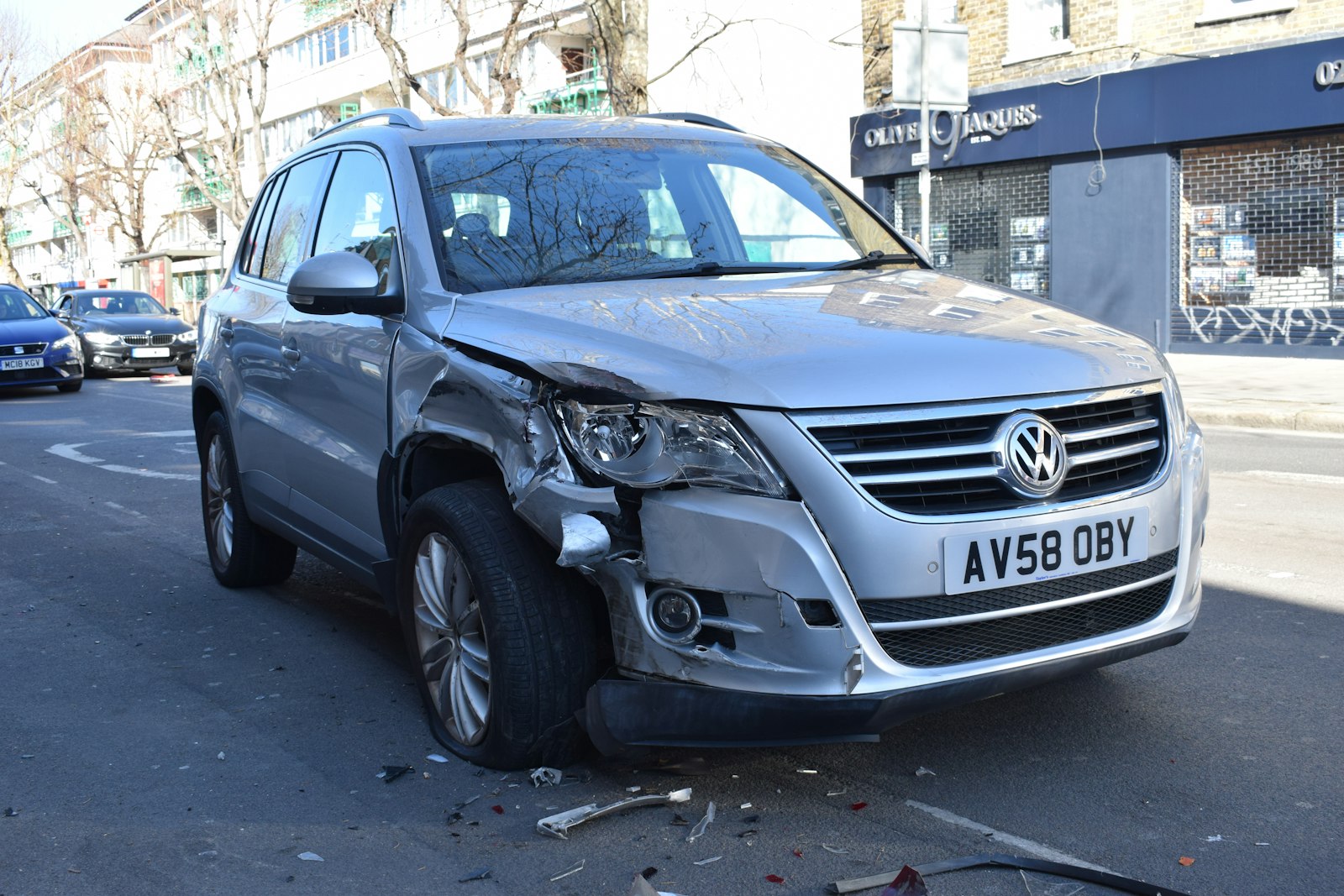
On a standard New Jersey auto policy, you choose a PIP medical limit and a lawsuit option. PIP pays medical bills after a crash, regardless of fault. The lawsuit option decides when you can sue for pain and suffering. Don't leave those choices to a blank form or a guess.
What PIP medical limits can you choose?
The Department of Banking and Insurance's 2026 Buyer's Guide describes PIP as medical coverage for you and others insured under the policy when you're hurt in an auto accident. On a standard policy, PIP can be as low as $15,000 per person or accident and as high as $250,000 or more. The guide also says that, regardless of the limit you select, coverage can still go up to $250,000 for certain injuries.
Common medical-limit options discussed in DOBI consumer materials include $15,000, $50,000, $75,000, $150,000, and $250,000. If you do not make a valid choice, do not assume you have the cheapest option. Ask the agent what default applies on your policy, and get it on the declarations page.
PIP can also include benefits besides medical bills, such as a limited amount of lost wages and the cost of hiring help at home, depending on the options you select. Those pieces have their own limits and rules. If you have health insurance, you may be able to make PIP secondary for some medical bills, which can change the premium. That coordination has to be set up correctly. Don't drop auto medical coverage just because you have a health plan, without understanding what a health plan will not pay after a crash.
The basic policy, by contrast, includes $15,000 in PIP and is not a menu of the same standard-policy medical options. If you're on a basic policy, read that product separately.
What is the lawsuit option?
New Jersey lets standard-policy holders choose between a "limitation on lawsuit" option, sometimes called a verbal threshold, and a "no limitation on lawsuit" option. The choice is about pain and suffering, not about whether PIP pays your medical bills.
With a limitation on lawsuit, you generally can sue for pain and suffering only if the injury fits categories set out in the law, such as death, dismemberment, significant disfigurement or significant scarring, a displaced fracture, loss of a fetus, or a permanent injury that meets the statutory test. With no limitation on lawsuit, you can sue for pain and suffering for other injuries as well, including those that do not meet that threshold.
The no-limitation option usually costs more. The limitation option can look like an easy way to cut the premium, but it can also close the door on a pain-and-suffering claim after a painful injury that does not meet the legal test. DOBI materials stress that the choice does not take away your right to recover economic losses, such as medical bills and lost wages that the law allows. It changes the pain-and-suffering path.
You have to complete the coverage selection form for these choices to be effective. If you're not sure what you already selected, look at the declarations page and ask the company for a copy of the form you signed.
How should you think about the two decisions together?
PIP is about paying for treatment quickly, without waiting to prove the other driver was at fault. The lawsuit option is about whether, and when, you can also seek pain-and-suffering damages from a negligent driver. A person with a high PIP limit and a limitation on lawsuit has strong no-fault medical coverage and a narrower lawsuit right. A person with a low PIP limit and no limitation may be able to sue more easily, but can still face a tight medical cap if a health plan does not fill the gap.
Talk through both with an agent, and consider your health coverage, your family, and how much premium you can absorb. If you change your mind later, ask when you can change the selection, usually at renewal, and whether a new form is required.
Keep the Buyer's Guide with your policy. It is the consumer document insurers are supposed to provide on new and renewal business after the 2026 limit changes.
FAQ
If I pick a $15,000 PIP limit, can I still get $250,000 for a serious injury?
The 2026 Buyer's Guide says that, regardless of the selected limit, coverage can still go up to $250,000 for certain injuries. Ask your agent which injuries qualify, and do not treat that exception as a reason to ignore the limit on ordinary treatment.
Does the lawsuit option change whether PIP pays my doctor bills?
No. PIP is no-fault medical coverage. The lawsuit option is about suing for pain and suffering. Economic losses are treated separately.
What injuries meet the limitation on lawsuit?
The statute lists categories such as death, dismemberment, significant disfigurement or scarring, a displaced fracture, loss of a fetus, and a qualifying permanent injury. An ordinary sprain may not meet that test. An attorney can apply the law to a particular injury.
Can I change these choices mid-policy?
Sometimes only at renewal, unless the company agrees otherwise. Ask before you assume you can switch the day after a close call.
Next step
Ask a licensed local agent to review your coverage selection form, including the PIP medical limit and the lawsuit option, and to price the main alternatives. Bring your health insurance card and the 2026 Buyer's Guide so you can see how the auto policy and the health plan would work together after a crash.
Sources: DOBI, 2026 New Jersey Auto Insurance Buyer's Guide (PDF); N.J.S.A. 39:6A-8, tort exemption and limitation on the right to noneconomic loss; DOBI, auto insurance purchasing planner, lawsuit options; DOBI, auto insurance consumer information.
Esta es información general para Nueva Jersey. No es una recomendación de comprar, cancelar o cambiar una póliza específica. Confirma los detalles actuales con la aseguradora o con un agente con licencia que conozca tu situación.
Los agentes que publiquen una versión con pocos cambios en su propio dominio deben poner una etiqueta canonical que apunte a esta URL.
Agrega tu negocio al centro regional de Nueva Jersey, gratis: Seguros