Este artículo está disponible solo en inglés.
Flood Insurance in Michigan: It's Not in Your Homeowners Policy
James Brazil vive en Mérida, México. Fundó Swift Agent Sites y estudió Clásicas en la Universidad de Mississippi.
Publicado el · Actualizado el
Seguros: Propiedad y accidentes (P&C)
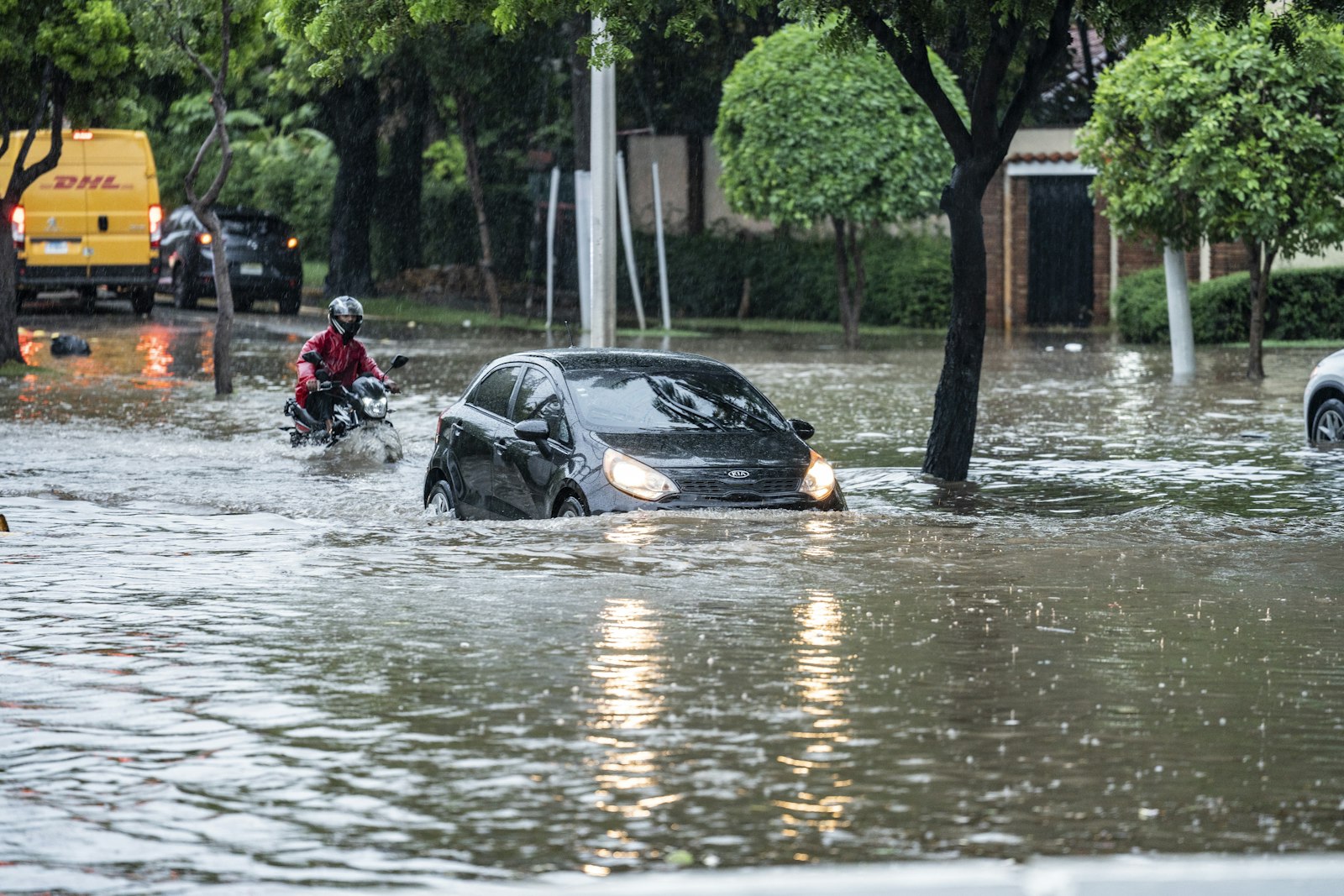
A standard Michigan homeowners policy does not cover flood damage. If you want that protection, you have to buy a separate flood policy, through the National Flood Insurance Program or a private insurer. Most NFIP policies have a 30-day waiting period, so buying coverage when a river is already rising is often too late.
Why doesn't homeowners insurance pay for a flood?
Homeowners insurance is built to cover risks like fire, theft, and certain kinds of wind or hail, subject to your deductibles and exclusions. Flood is treated as a separate peril. The Department of Insurance and Financial Services tells Michigan consumers that a standard homeowners policy does not cover flood, and that separate flood insurance is available through NFIP or private companies.
That matters in Michigan even if you don't live on the Lake Michigan shoreline. Ice jams, heavy rain, overflowing creeks, and sewer-related flooding after a storm can put water into basements and first floors well inland, including in metro Detroit, Grand Rapids, and along inland rivers. A lender may require flood insurance if the home is in a mapped high-risk zone. If it isn't, the requirement may not apply, but the water risk can still be real.
Don't assume a "flood" endorsement is already hiding on your homeowners declarations page. Ask the agent directly, and get the answer in writing if you're not sure.
How long is the waiting period, and what does NFIP cover?
Most NFIP policies have a 30-day waiting period before coverage starts. There are exceptions, including some purchases made in connection with a loan, but you shouldn't count on an exception unless your agent or the program confirms it in writing.
A typical NFIP homeowners policy can insure the building and, separately, the contents. Official FloodSmart guidance says building coverage for a home can go up to $250,000, and contents coverage up to $100,000. Those two limits are chosen separately, and contents coverage is not automatic just because you insured the building.
Building coverage can include the structure and certain built-in items, such as electrical and plumbing systems, furnaces, water heaters, and permanently installed cabinets. Contents coverage can include furniture, clothing, and electronics kept inside the home.
NFIP policies also leave things out. They generally do not cover:
- Temporary housing and additional living expenses while the house is repaired.
- Cars and most self-propelled vehicles.
- Personal property kept in basements, in many cases.
- Property outside the insured building, such as decks, fences, and landscaping.
- Currency and certain valuable papers.
If your house would cost more than $250,000 to rebuild, or you need living-expense coverage after a flood, ask about a private flood policy or excess coverage. DIFS has published a list of private flood insurers writing in Michigan.
How should you decide whether to buy it?
Start with your flood zone and your actual risk, not only the lender's requirement:
- Look up the address on FEMA's flood map and ask a floodplain official or your agent what the zone means.
- Think about nearby creeks, rivers, drains, and, in some neighborhoods, historical basement flooding after heavy rain.
- Ask what it would cost to replace flooring, drywall, a furnace, and a water heater after a few feet of water.
- Compare an NFIP quote with any private flood quote, including deductibles, waiting periods, and living-expense coverage.
A policy that costs a few hundred or a few thousand dollars a year is easier to judge once you've priced a single interior rebuild. Don't wait for a spring thaw or a named storm to start that math.
Sewer backup and sump-pump overflow can also be excluded from a standard homeowners policy, and they are not the same as an NFIP flood. Some companies sell a sewer-backup endorsement. Ask what's covered if a drain backs up after a heavy rain, and don't assume a flood policy will pay that claim automatically. The two products overlap in some storms and leave gaps in others.
If you rent, you can still buy contents-only flood coverage. A landlord's policy, if there is one, usually does not replace your furniture or clothing. Get your own declarations page so you know what, if anything, is already in force.
FAQ
Does a standard Michigan homeowners policy cover flood damage?
No. DIFS says you need separate flood insurance, available through the National Flood Insurance Program or a private insurer.
How long do I have to wait for NFIP coverage to start?
Most NFIP policies have a 30-day waiting period. Some exceptions exist, including certain loan-related purchases. Confirm the start date in writing.
Do I need flood insurance if I'm not in a floodplain?
You may not be required to buy it by a lender, but you can still flood. Inland rivers, ice jams, and heavy rain have flooded Michigan homes outside high-risk zones.
Can I buy more than the NFIP $250,000 building limit?
You may be able to buy private or excess flood coverage. DIFS publishes information on private flood insurers in Michigan. Ask a licensed agent to compare options.
Next step
Ask a licensed local agent to quote a flood policy on your address, including the waiting period and whether contents and additional living expenses are covered. If you live near water or in a mapped flood zone, don't wait for a storm warning to start that conversation.
Sources: DIFS, flood insurance: what you need to know; DIFS, flood disaster preparedness; National Flood Insurance Program, buy a flood insurance policy; DIFS, private flood insurers in Michigan.
Esta es información general para Míchigan. No es una recomendación de comprar, cancelar o cambiar una póliza específica. Confirma los detalles actuales con la aseguradora o con un agente con licencia que conozca tu situación.
Los agentes que publiquen una versión con pocos cambios en su propio dominio deben poner una etiqueta canonical que apunte a esta URL.
Agrega tu negocio al centro regional de Míchigan, gratis: Seguros