Este artículo está disponible solo en inglés.
Colorado Property Tax: Pay by April 30, or Split the Bill
James Brazil vive en Mérida, México. Fundó Swift Agent Sites y estudió Clásicas en la Universidad de Mississippi.
Publicado el · Actualizado el
Bienes raíces para compradores · Bienes raíces para vendedores
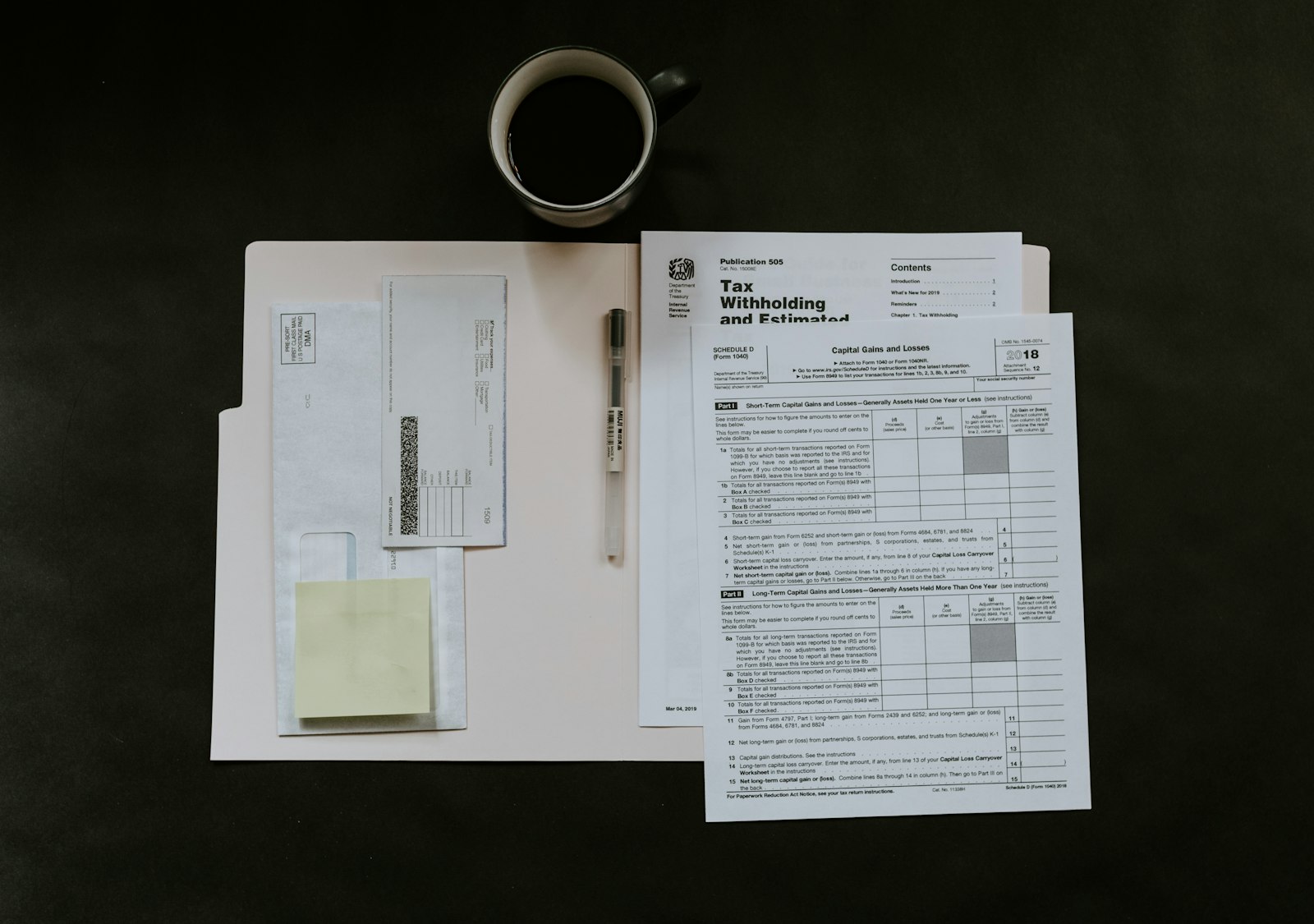
Colorado property-tax bills are mailed in January for the previous year. If the tax is greater than $25, you may pay in full by April 30, or pay half by the last day of February and the other half by June 15. If the tax is $25 or less, pay in full on April 30.
That calendar is the general rule on the Division of Property Taxation's page about valuation for business and industry. Read the bill the county mailed. A local instruction that names a different day is the one to follow for that account. The bill is for last year's tax. A closing in March needs to say which half escrow will pay and which half the buyer still owes.
What the bill is not
It is not the senior exemption. That exemption, when the state funds it, is 50 percent of the first $200,000 of actual value, filed with the assessor by July 15. See the senior exemption. An approved exemption can lower a later bill. It does not move April 30. It is not a protest of value. Official pages disagree on whether the real-property protest day is June 1 or June 8. See why you should use the date on the notice.
The same Division page lists 2026 assessment rates for commercial improved property, other commercial property, and industrial property. Those rates are not the owner-occupied residential rate. The residential percentage was not on that page. Ask the assessor what ratio was used on the house. Do not copy a commercial percentage onto a home worksheet.
What to check at a purchase
Ask the title company which installment is paid at closing and which one is prorated. A buyer who thinks "taxes are paid" and then misses June 15 has missed the second half. Put both dates on a calendar if the tax is over $25 and you are splitting it. If the tax is $25 or less, there is no split. April 30 is the only date.
Household furnishings not used to produce income are listed as exempt on the Division's page. That exemption is not a discount on the real estate. Business personal property has its own filing. Do not confuse a business declaration with the house bill.
Insurance does not pay this bill. A homeowners nonrenewal and a flood policy are separate. See the 60-day notice and flood coverage. A seller's disclosure does not state your future tax. See the disclosure deadline.
What to ask escrow
Ask which installment will be paid at closing if the tax is over $25. The choices on the Division's calendar are full payment by April 30, or half by the last day of February and half by June 15. A tax of $25 or less is due in full on April 30, with no split. Bills go out in January for the prior year. A March closing can sit between the two halves.
A senior exemption filed in July does not rewrite a bill you already received in January. A value protest does not move April 30. Ask the treasurer how a later reduction is credited, and pay the installment the bill demands. Commercial assessment rates on the Division's business page are not the residential ratio. Ask the assessor for the ratio on the house rather than copying an industrial percentage.
Write the date you read this rule on the paper you are using, whether that paper is a declarations page, a notice, a contract, or a permit. Colorado offices do not share one file. The Division of Insurance, the Division of Property Taxation, the county assessor, and the Public Utilities Commission each keep their own. A number you saw on a neighbor's bill, or on a mover's ad from another state, is not your deadline. If two official pages disagree, the document in your hand and a phone call to the office that issued it settle the question for your account. Keep the postmark, the email header, or the receipt. Those are the dates a later complaint can use. Do not wait for a second notice to start the count that already began when the first one was mailed or delivered.
If the tax is over $25, choose in January whether you will pay all of it by April 30 or half by the last day of February and half by June 15. Write the choice on the bill. If the tax is $25 or less, April 30 is the only date. Ask escrow which of those dates it will pay. A protest or a senior exemption does not move the treasurer's date. Pay what the bill says is due and ask later how a reduction is credited.
FAQ
When are bills mailed? In January, for the previous year, on the Division's general calendar.
Can I pay in two parts? If the tax is greater than $25, pay half by the last day of February and half by June 15, or pay all of it by April 30.
What if the tax is $25 or less? Pay in full on April 30. The two-payment option is for bills over $25.
Does a value protest delay April 30? No. Ask the treasurer how a later reduction is credited. Pay the installment the bill says is due.
Is the senior exemption this payment plan? No. The exemption is an assessor filing. This article is the treasurer's due dates.
Next step
Open the January bill and circle April 30, and also the last day of February and June 15 if you will split a bill over $25. Ask escrow, before closing, which of those dates it will cover.
Sources: Colorado Division of Property Taxation: valuation and taxation.
Antes de contratar: Colorado tiene 45,431 licencias de bienes raíces activas, según el archivo de Colorado Division of Real Estate al 1 de noviembre de 2026. Verifica gratis la licencia de cualquier agente.
Información general para Colorado. No es una predicción de precios ni un consejo sobre ninguna propiedad específica. Confirma las reglas vigentes y las condiciones locales con el tasador del condado y con un agente con licencia.
Los agentes que publiquen una versión con pocos cambios en su propio dominio deben poner una etiqueta canonical que apunte a esta URL.
Agrega tu negocio al centro regional de Colorado, gratis: Bienes raíces