Texas Property Tax Deferral for Homeowners 65 and Older or Disabled: How It Works
James Brazil lives in Mérida, Mexico. He founded Swift Agent Sites and studied Classics at the University of Mississippi.
Published · Updated
Real estate for buyers · Real estate for sellers
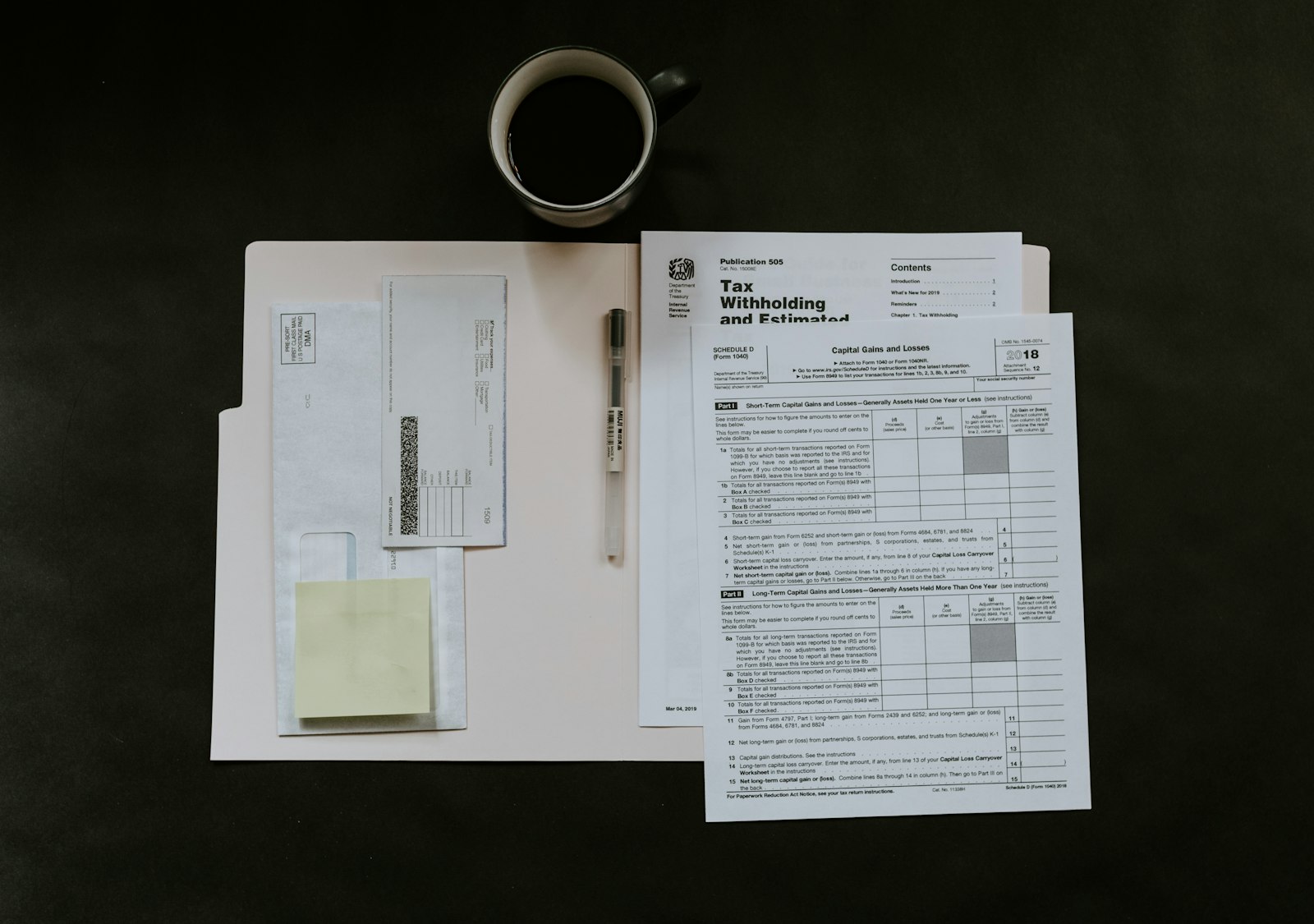
Texas homeowners who are 65 or older, disabled, or a qualifying disabled veteran can defer property taxes on their homestead under Tax Code section 33.06. You file an affidavit with your appraisal district. Taxes still build up at 5% a year, with no penalties, and collection waits until you no longer own and live in the home.
Who qualifies for a Texas tax deferral?
Under section 33.06, you can defer or abate a suit to collect delinquent taxes on your homestead if you're:
- 65 or older.
- Disabled, as defined for the homestead exemption.
- A disabled veteran who qualifies for an exemption under Tax Code section 11.22.
The property has to be your homestead, meaning you own it and live in it. The deferral covers taxes on that home, not on rental properties or land you don't live on.
How do you file?
You file a tax deferral affidavit with the chief appraiser of your county's appraisal district. Most appraisal districts post the form on their website, and the Texas Comptroller publishes a standard version. Once it's filed, the taxing units can't sue to collect or sell the home for those taxes while the deferral is in place.
You can file even after taxes are already delinquent. If a lawsuit has already started, filing the affidavit can stop it from moving forward.
What does deferral cost you?
Deferral is not forgiveness. The taxes keep adding up, and the lien stays on the home. The difference is the price of waiting:
- Deferred taxes accrue interest at 5% a year.
- No penalties are added while the deferral is in effect.
Compare that with the normal rules under section 33.01. A regular delinquent bill picks up a 6% penalty in the first month, plus 1% for each additional month, reaching 12% by July 1, along with interest of 1% a month. Over a few years, that gap is large.
When do the deferred taxes come due?
The deferral lasts as long as you own and live in the home. After you stop, whether you sell, move into assisted living or pass away, the taxing units can't file suit or sell the property until 181 days after they send a delinquency notice.
That gives heirs or a seller about six months to pay off the balance, often from the sale proceeds. If you're planning to sell, ask the tax office for a payoff figure early so it's built into your closing.
Can a surviving spouse keep the deferral?
Yes, in many cases. Section 33.06 lets the deferral continue for a surviving spouse who is 55 or older when the qualifying owner dies, as long as the spouse lives in the home and it remains their homestead. That protects a widow or widower from facing a large tax bill right after a death.
Is deferral a good idea?
It depends on your goals. Deferral can keep an older homeowner on a fixed income in their home without a lawsuit hanging over them. But it eats into your equity, and that affects what you can leave to heirs or use for future care.
Questions to think through:
- Do you plan to stay in the home for many years?
- Would your heirs rather inherit the home or the cash from a sale?
- Could another option, like an installment plan, solve a short-term cash crunch instead?
What other options do Texas seniors have?
Deferral is one tool. Before you use it, make sure you're getting what you already qualify for:
- Homestead exemption: reduces the taxable value of your home for school taxes and possibly other units.
- Age 65 or disabled exemption: an additional exemption, plus a school tax ceiling that generally freezes your school taxes at the level of the year you qualified.
- Installment agreements: under section 33.02, tax offices can set up payment plans for delinquent taxes on a homestead, generally lasting 12 to 36 months.
Your tax bill is also required, under section 33.045, to include a notice about the deferral option for qualifying owners. If you've never noticed it, look at the back of your next bill.
How does deferral affect a home sale?
For sellers, deferred taxes show up as a lien on the title search. They must be paid at closing before the buyer gets clear title. For buyers, a deferral on a home you're buying isn't your problem as long as the title company pays it off from the seller's proceeds. Ask the title company to confirm the payoff with the tax office.
FAQ
Who can defer property taxes in Texas? Homeowners 65 or older, disabled homeowners, and qualifying disabled veterans, on the home they own and live in.
Do deferred Texas property taxes still grow? Yes. They accrue interest at 5% a year, with no penalties, and the lien stays on the home.
When do deferred taxes have to be paid? After the owner no longer owns and lives in the home. Taxing units can't sue or sell until 181 days after a delinquency notice.
Where do I file the deferral affidavit? With the chief appraiser of your county appraisal district.
Next step
Call your appraisal district to confirm your exemptions and ask for a deferral affidavit. If you're weighing whether to stay or sell, talk with a licensed local agent about what your home could sell for and how a deferral would affect your proceeds.
Sources: Texas Tax Code Chapter 33; Texas Comptroller: Property Tax Exemptions and Deferrals.
Before you hire: Texas has 185,436 active real estate licenses, from the Texas Real Estate Commission's file as of 1 November 2026. Check any agent's license free.
General information for Texas. Not a prediction of prices or advice for any specific property. Confirm current rules and local conditions with the county appraisal district and a licensed agent.
Agents who publish a lightly edited version on their own domain should set a canonical tag pointing to this URL.
List your business on the Texas hub, free: Real estate