Texas Seller's Disclosure Notice: What Buyers and Sellers Must Know
James Brazil lives in Mérida, Mexico. He founded Swift Agent Sites and studied Classics at the University of Mississippi.
Published · Updated
Real estate for buyers · Real estate for sellers
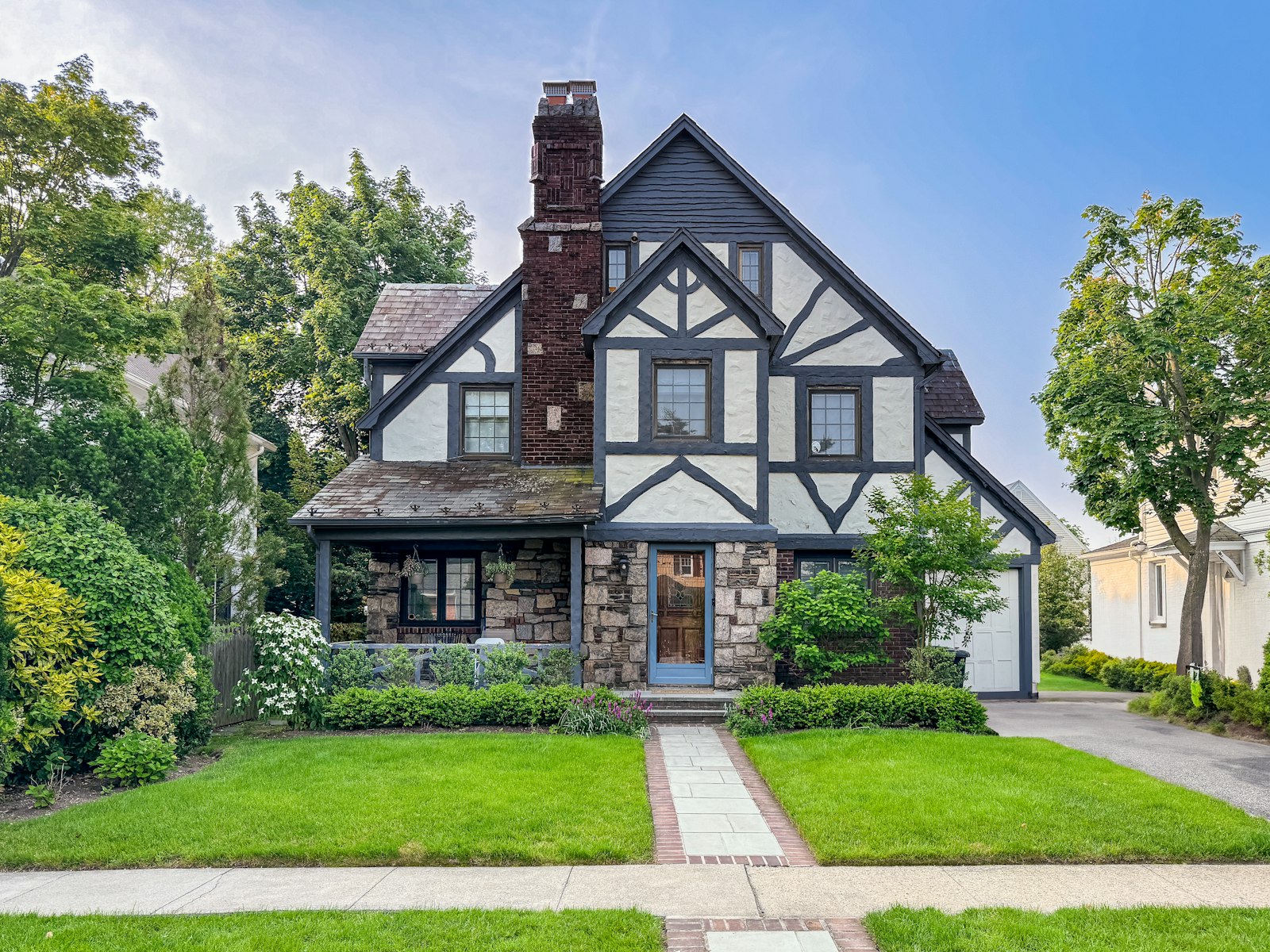
Sellers of previously occupied single-family homes in Texas must use TREC's Seller's Disclosure Notice (Form 55-1) under Property Code Section 5.008. The current form is effective May 28, 2026. It covers known material facts and the physical condition of the property. It is not a substitute for a buyer's independent inspection.
If you are selling, fill it out carefully and honestly. If you are buying, read every page, ask follow-ups in writing, and still hire your own inspector. The notice tells you what the seller knows. It does not certify that the house is perfect.
What is the Texas Seller's Disclosure Notice?
Form 55-1 is the Texas Real Estate Commission's Seller's Disclosure Notice. TREC says sellers of previously occupied single-family residences must use it with a contract for the sale of real property entered into on or after September 1, 2023, and the May 28, 2026 edition is the current version on TREC's forms page.
Section 5.008 of the Texas Property Code is the statute behind the form. In short, it requires disclosure of material facts and condition items the seller knows about. The form walks through systems, structures, past problems, and other questions Texas expects sellers to answer.
Use the official TREC PDF, not a homemade checklist. Agents and brokers should pull the current form from trec.texas.gov so nobody relies on an outdated revision.
Who has to provide the notice?
The classic case is a seller of a previously occupied single-family home. New construction that has never been lived in, and some other transfers, can fall outside the usual Form 55-1 path. When in doubt, ask a Texas real estate attorney or your broker which disclosure rules apply to your exact deal.
The duty runs to known information. Sellers are not expected to invent engineering reports they never ordered. They are expected not to hide problems they already know about. "I never noticed" is a weak story if you lived with a stained ceiling for two years.
Buyers should treat a blank, incomplete or last-minute disclosure as a red flag. You can still negotiate repairs, credits or walk-away rights based on what the form and your inspection show, subject to your contract.
What should sellers watch when filling Form 55-1?
Answer every question. If you do not know, say you do not know rather than guessing. Attach explanations where the form asks for them.
Common trouble spots include:
- Past roof leaks, foundation movement or plumbing failures you repaired
- Insurance claims related to the property
- HOA lawsuits, fees or special assessments you know about
- Flooding, drainage or water intrusion history
- Systems that work "most of the time" but fail in heat or cold
- Work done without permits, if you know that happened
Update the notice if you learn something material after you first signed it and before closing. Keeping an old, incomplete form in the file after you discover a new issue is how disputes start.
Sellers sometimes worry that honesty will kill the deal. Incomplete disclosures create bigger problems later, including claims after closing. Price and repairs are negotiable. Surprises after the buyer moves in are not the kind of surprise you want.
What should buyers do with the notice?
Read it before you waive inspection rights. Compare the seller's answers with what you see on the tour and what your inspector finds.
If the seller discloses a foundation repair, get the engineering or warranty paperwork. If they disclose a prior insurance claim, ask what was fixed. If they mark "unknown" on something obvious, ask why.
The notice does not replace:
- A licensed home inspection
- Flood and fire risk checks for the address
- HOA document review when applicable
- Title review and survey questions your contract covers
For market timing and how much negotiating room buyers may have statewide this fall, see our Texas housing market fall 2026 piece. For ownership costs after you close, read how the Texas homestead exemption works on school taxes.
Contracts set deadlines for delivering the notice and for terminating based on disclosures or inspections. Miss those dates and your options shrink. Put the disclosure review on the same calendar as your option period.
FAQ
Is Form 55-1 required on every Texas home sale?
It is required for sellers of previously occupied single-family residences under Property Code Section 5.008, using TREC's Seller's Disclosure Notice. Some property types and never-occupied new homes follow different rules. Confirm with your broker or a Texas real estate attorney for your transaction.
When did the current form take effect?
TREC lists Form 55-1 with an effective date of May 28, 2026. Use that edition (or any later official replacement) from TREC's site rather than an old PDF saved on a laptop.
Does a seller's disclosure replace a home inspection?
No. The notice covers known material facts and condition. An inspector looks at the property independently. Buyers should do both.
What if the seller leaves sections blank?
Ask for a completed notice. Blank or vague answers are a reason to slow down, inspect carefully and negotiate. Your contract and Texas law control remedies if required disclosures are missing or wrong.
Can a seller say "unknown" on everything?
Sellers can answer "unknown" when that is true. Pattern "unknown" answers on items the seller lived with for years invite follow-up questions from buyers and agents. Honesty still beats a form that looks evasive.
Next step
A licensed local real estate agent can walk you through Form 55-1 line by line, help you gather repair records if you are selling, and help you line up inspections and contract deadlines if you are buying.
Sources: TREC Seller's Disclosure Notice (Form 55-1), TREC Form 55-1 PDF, Texas Property Code Section 5.008.
General information for Texas. Not a prediction of prices or advice for any specific property. Confirm current rules and local conditions with the county appraisal district and a licensed agent.
Agents who publish a lightly edited version on their own domain should set a canonical tag pointing to this URL.