Texas Homestead Exemption: How the School Tax Cut Works and How to Apply
James Brazil lives in Mérida, Mexico. He founded Swift Agent Sites and studied Classics at the University of Mississippi.
Published · Updated
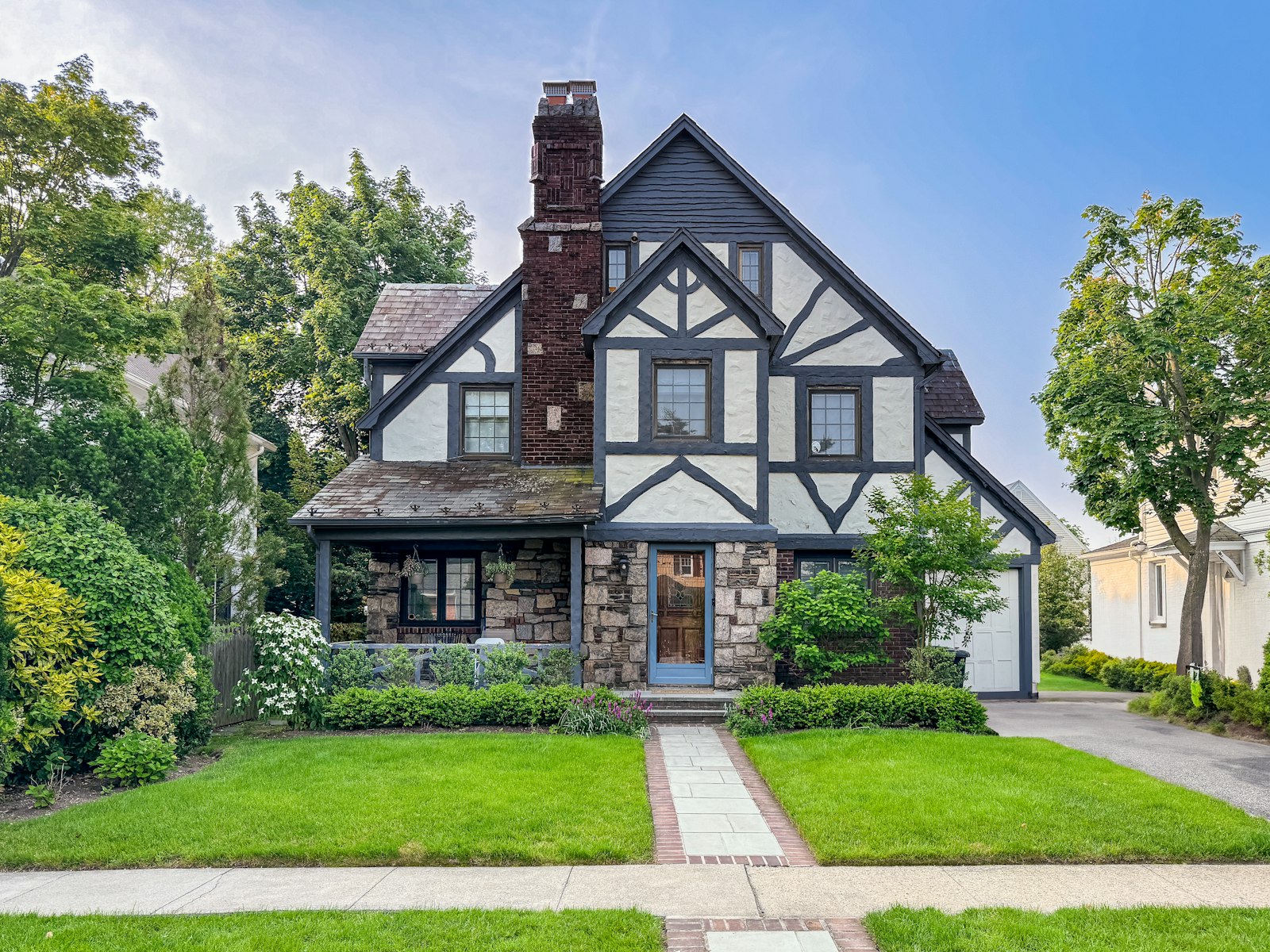
Texas school districts must exempt $140,000 of a qualifying residence homestead from school property taxes, and homeowners who are 65 or older or disabled get an extra $60,000 school exemption on top of that. You apply with your county appraisal district, usually before May 1, using the Comptroller's Form 50-114.
If you moved to Texas for no state income tax, this is the break that softens housing costs. School taxes are often the biggest piece of the bill, so missing the exemption leaves real money on the table.
How much does the Texas homestead exemption cut school taxes?
Tax Code Section 11.13(b) requires every school district to take $140,000 off the taxable value of a qualifying residence homestead. The Comptroller's example is plain: on a home appraised at $300,000, you pay school taxes as if the home were worth $160,000.
Homeowners age 65 or older, or who meet the state's disability standard, get an additional $60,000 school exemption under Tax Code Section 11.13(c). That stacks on the $140,000, so the school-tax reduction can reach $200,000 of value for those owners.
Cities, counties and other taxing units can also offer local-option homestead exemptions of up to 20% of appraised value (with a $5,000 floor). Counties that collect farm-to-market or flood control taxes must provide a $3,000 residence homestead exemption. Those extras vary by place, so check your county appraisal district (CAD) and your tax bill, not just the statewide school number.
Homestead properties also get the state's 10% appraisal cap, which limits how fast the taxable value of your homestead can rise year to year. That cap is a separate protection from the dollar exemption, and both matter when values are moving.
Who qualifies for a Texas residence homestead exemption?
You need an ownership interest in the property, and you must use it as your principal residence. You cannot claim a homestead exemption on another primary home in Texas or anywhere else.
Most applicants need a valid Texas driver's license or state ID, and the address on that ID generally has to match the property. Active-duty military members and residents of nursing homes or assisted living facilities have more flexibility on the address match. The Texas Tribune's October 2026 how-to notes that a Texas ID is effectively required for most applicants.
Heir-property owners whose names are not on a recorded deed can still qualify. The Comptroller's rules ask for an affidavit of ownership interest, a copy of the prior owner's death certificate, a recent utility bill, and any court records that show the inheritance. Other heirs living there usually need to authorize the application too.
Disabled veterans, surviving spouses of certain veterans and first responders, and owners of donated veterans' homes may qualify for additional or total exemptions. Those use the same Form 50-114 or Form 50-135, depending on the category. Ask your CAD which supporting VA or military documents to attach.
When and how do you apply?
File with the appraisal district in the county where the home sits, not with the Comptroller's office in Austin. The general deadline is before May 1. Many districts accept applications online; you can also mail Form 50-114 or drop it off. Districts must accept the Comptroller's form.
If you owned and occupied the home as of January 1, aim to file by the May 1 window for that tax year. If you buy after January 1 and the prior owner did not receive the homestead exemption for that year, the Comptroller says you may receive the exemption for the portion of the year you qualify. If the prior owner already had the exemption, you typically wait and apply for the next year as the new owner.
Once approved, you usually do not reapply every year unless your eligibility changes or the district asks you to verify. The Tribune notes that districts often do not mail a separate approval letter, so check your property record online, your notice of appraised value, or your fall tax bill to confirm the exemption is listed.
Missed a past deadline? Eligible owners can often apply late and claim a refund for prior years, commonly up to two years after taxes for that year were paid. Some categories, including certain disabled-veteran exemptions, allow even longer windows. Confirm the look-back rules with your CAD before you assume a year is closed.
What should new Texas buyers and movers do first?
Treat the homestead filing like a closing checklist item. Title companies and lenders do not file it for you. Put "CAD homestead application" on your move-in list next to changing the locks and updating your ID.
Get your Texas driver's license or ID sorted early if you relocated from out of state. The address match rule trips up people who still carry an out-of-state license months after closing.
While you are at the CAD site, note how notices of appraised value work for spring. If the number looks high later, you may want to protest your Texas property appraisal on a separate timeline from the exemption. And if you are still shopping, the Texas housing market in fall 2026 has more statewide listing and inventory context.
Property tax is local. A $140,000 school exemption does not mean every city or county offers the same extras, and your actual dollar savings depend on local rates. Read your notice and ask the CAD if something on the bill does not match what you filed.
FAQ
Is the $140,000 homestead exemption automatic in Texas?
No. You generally must apply with your county appraisal district. Once it is on the roll for your homestead, it usually stays until ownership or residency changes.
Do seniors get a bigger Texas homestead exemption?
Yes for school taxes. School districts must add another $60,000 for qualifying homeowners who are 65 or older or disabled, on top of the $140,000 general school exemption. Local taxing units may offer more under local option rules.
What form do I use?
Use Form 50-114, Application for Residence Homestead Exemption, from the Texas Comptroller. Affidavits for heir property and related situations are on Form 50-114-A. Disabled-veteran exemptions under Tax Code Section 11.22 use Form 50-135.
How do I know the exemption went through?
Check your property record on the CAD website, your spring notice of appraised value, or the tax bill that arrives in the fall. If it is missing and you applied on time, call the appraisal district and keep a copy of what you submitted.
Next step
A licensed local real estate agent can help you read how taxes were prorated at closing, point you to the right county appraisal district, and flag other first-year Texas owner tasks so the homestead exemption and related paperwork do not slip.
Sources: Texas Comptroller property tax exemptions, Texas Tribune homestead how-to (Oct. 20, 2026), Comptroller Form 50-114.
General information for Texas. Not a prediction of prices or advice for any specific property. Confirm current rules and local conditions with the county appraisal district and a licensed agent.
Agents who publish a lightly edited version on their own domain should set a canonical tag pointing to this URL.