Texas Housing Market Fall 2026: More Listings for Buyers
James Brazil lives in Mérida, Mexico. He founded Swift Agent Sites and studied Classics at the University of Mississippi.
Published · Updated
Real estate for buyers · Real estate for sellers
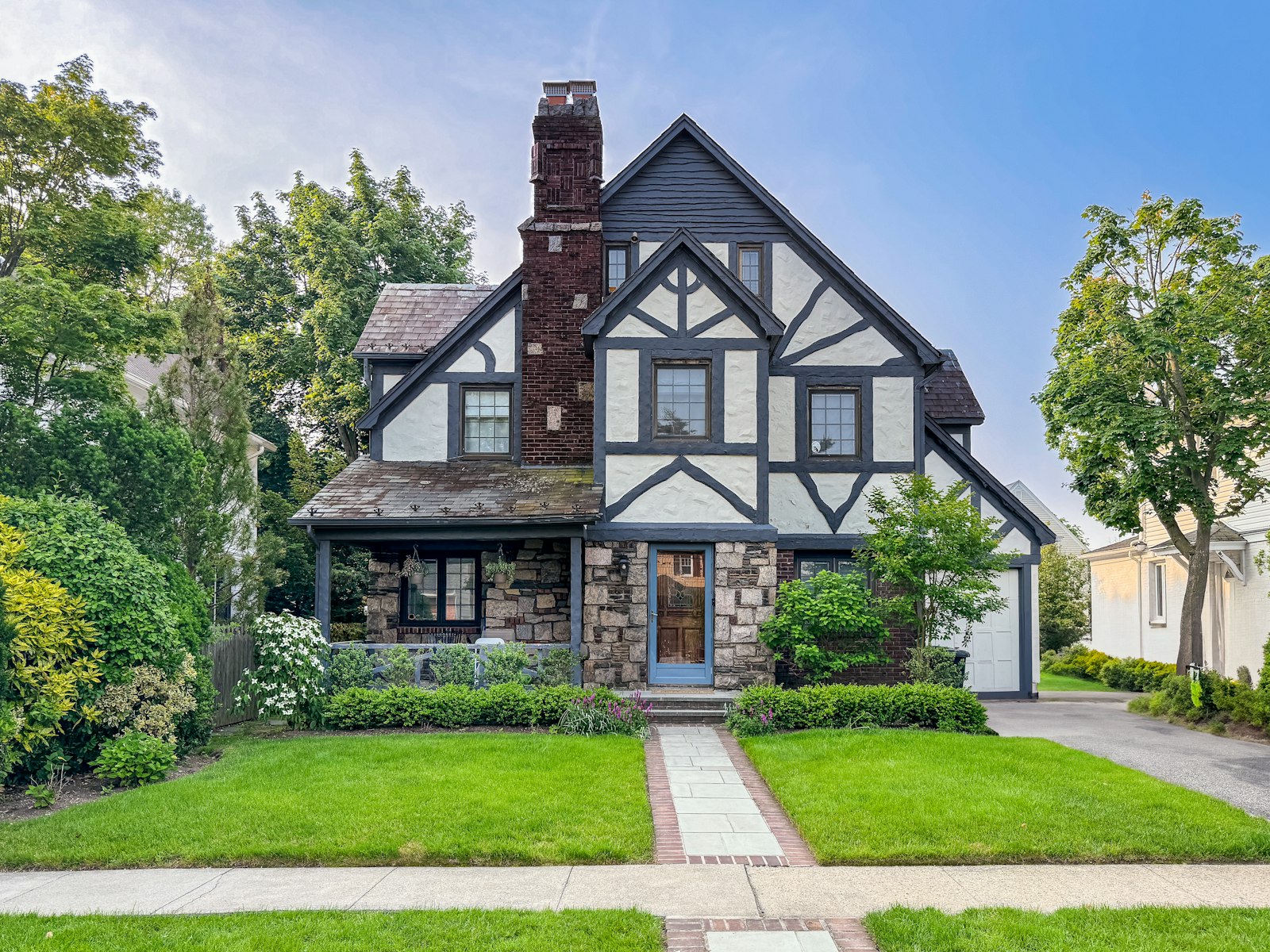
Texas buyers had more homes to choose from in the third quarter of 2026. Texas REALTORS® reported active listings up 2.8% statewide year over year, with months of inventory near 5.5. The statewide median sales price was $333,628, down 0.4% from Q3 2025, while most metros still saw price gains. Local metro context matters more than one statewide number.
Closed sales fell 2.4% statewide in the quarter, with big metros split: Austin-Round Rock-San Marcos and San Antonio-New Braunfels had more sales than a year earlier, while Dallas-Fort Worth-Arlington and Houston-Pasadena-The Woodlands had fewer. If you are shopping or listing this fall, start with your metro chart, not the headline alone.
What did Texas REALTORS® report for Q3 2026?
According to the 2026 Q3 Texas Quarterly Housing Report from Texas REALTORS®:
- Active listings rose 2.8% statewide versus Q3 2025
- Home availability increased in 18 of 26 metro areas
- Statewide median sales price was $333,628, down 0.4%
- Median prices rose in 15 of 26 metros, fell in 10, and were unchanged in one
- The four largest metros each saw median price decreases of 1.2% or less
- Statewide closed sales were down 2.4%
- Sales were up in 12 metros and down in 14
- Months of inventory moved from 5.4 to 5.5 compared with Q3 last year
Jennifer Wauhob, Chairman of Texas REALTORS®, put the statewide median in context: even though the Texas median dipped a little, prices went up in most metros, so one number is not the whole story.
The Texas Real Estate Research Center generally treats about four to five months of inventory as a balance between supply and demand. At 5.5 months statewide, buyers often get more time to decide than they did in the ultra-tight years, while sellers may need more patience and sharper pricing.
How did the largest metros diverge?
Texas REALTORS® noted that Austin-Round Rock-San Marcos and San Antonio-New Braunfels posted more closed sales in Q3 than a year earlier, while Dallas-Fort Worth-Arlington and Houston-Pasadena-The Woodlands posted fewer. That split alone is why a friend in Austin and a friend in Dallas can describe "the Texas market" in opposite ways and both be telling the truth about their metro.
Price changes in the big four were mild on a percentage basis (each down 1.2% or less on the median in that report). Elsewhere, Abilene, Texarkana and Beaumont-Port Arthur showed the largest median price increases in the statewide metro list, while many markets moved less than 5%. Inventory was tightest in places like Abilene, Amarillo and Odessa, and much higher in Eagle Pass, McAllen-Edinburg-Mission and Corpus Christi, per the same release.
Use those figures as published. They are quarterly metro snapshots, not a prediction for your street. Neighborhood condition, price band and property type still drive offers.
What should buyers do with more listings?
More options help only if you are ready to act when the right house shows up. Get a full pre-approval, know your monthly payment comfort including Texas property tax and insurance, and tour with a clear must-have list.
With inventory near a balanced 5.5 months statewide, you may have room to negotiate repairs or credits that vanished in hotter years. You still should not slow-walk a well-priced home in a popular neighborhood. Balanced statewide inventory does not mean every listing sits.
Before you waive inspection rights, read the Texas Seller's Disclosure Notice rules and budget for a thorough inspection. After you close, file for the homestead exemption so school taxes reflect the $140,000 school-district cut if you qualify.
What should sellers expect this fall?
More competing listings means pricing to recent closed sales, not to last year's peak ask. Homes that sit often take larger cuts later. Clean condition, complete disclosures and flexible showing access still matter.
If your notice of appraised value arrives high next spring, that is a separate process from MLS pricing. Keep the appraisal protest guide handy for May, and do not confuse CAD value with the price a buyer will pay tomorrow.
Wauhob's point about neighborhood rhythm is practical advice: your Texas REALTOR® (or any licensed local agent) knows how your block is trading this month. Statewide charts set the backdrop. Local comps set the list price.
How does earlier 2026 TRERC data fit?
The Texas Real Estate Research Center's August 2026 Texas Housing Insight described first-half momentum, with June closed sales up year over year and inventory expanding at a steadier pace than the prior year's surge. June active inventory sat near a 5.4-month supply in that report, close to the 5.5 months Texas REALTORS® later cited for Q3. Price weakness had been easing in several large markets even while Austin and San Antonio still showed softer year-over-year price readings in the June TRERC snapshot.
Taken together, mid-2026 through Q3 looks like a market with more choice for buyers and more need for metro-level reading, not a single statewide boom or bust story.
FAQ
What was the Texas median home price in Q3 2026?
Texas REALTORS® reported a statewide median sales price of $333,628 in Q3 2026, down 0.4% from Q3 2025. Most metros still saw higher medians than a year earlier.
How much did active listings rise?
Active listings rose 2.8% statewide year over year in Q3 2026, and availability increased in 18 of 26 metros covered in the Texas REALTORS® quarterly report.
Is 5.5 months of inventory a buyer's market?
The Texas Real Estate Research Center generally views about four to five months as balanced. At 5.5 months statewide, conditions often feel more buyer-friendly than a 2-month market, but tight pockets still exist. Check your metro's months of inventory in the same report.
Did all big Texas metros see fewer sales?
No. In Q3 2026, Austin-Round Rock-San Marcos and San Antonio-New Braunfels had more closed sales than a year earlier, while Dallas-Fort Worth-Arlington and Houston-Pasadena-The Woodlands had fewer, according to Texas REALTORS®.
Should I wait for prices to fall further before buying?
Statewide, the Q3 median was only slightly below a year earlier, and many metros were up. Waiting for a dramatic statewide drop is a bet, not a plan. A local agent can show you months of inventory and recent sales in the zip codes you actually want.
Next step
A licensed local real estate agent can pull live MLS comps for your neighborhood, explain how your metro's Q3 numbers compare with the statewide 2.8% listing gain and 5.5 months of inventory, and help you set a buy or sell strategy that fits this fall's market.
Sources: Texas REALTORS® Q3 2026 housing report release, TRERC Texas Housing Insight, August 2026.
General information for Texas. Not a prediction of prices or advice for any specific property. Confirm current rules and local conditions with the county appraisal district and a licensed agent.
Agents who publish a lightly edited version on their own domain should set a canonical tag pointing to this URL.