Your Car Was Totaled in Ohio: How the Settlement Should Work
James Brazil lives in Mérida, Mexico. He founded Swift Agent Sites and studied Classics at the University of Mississippi.
Published · Updated
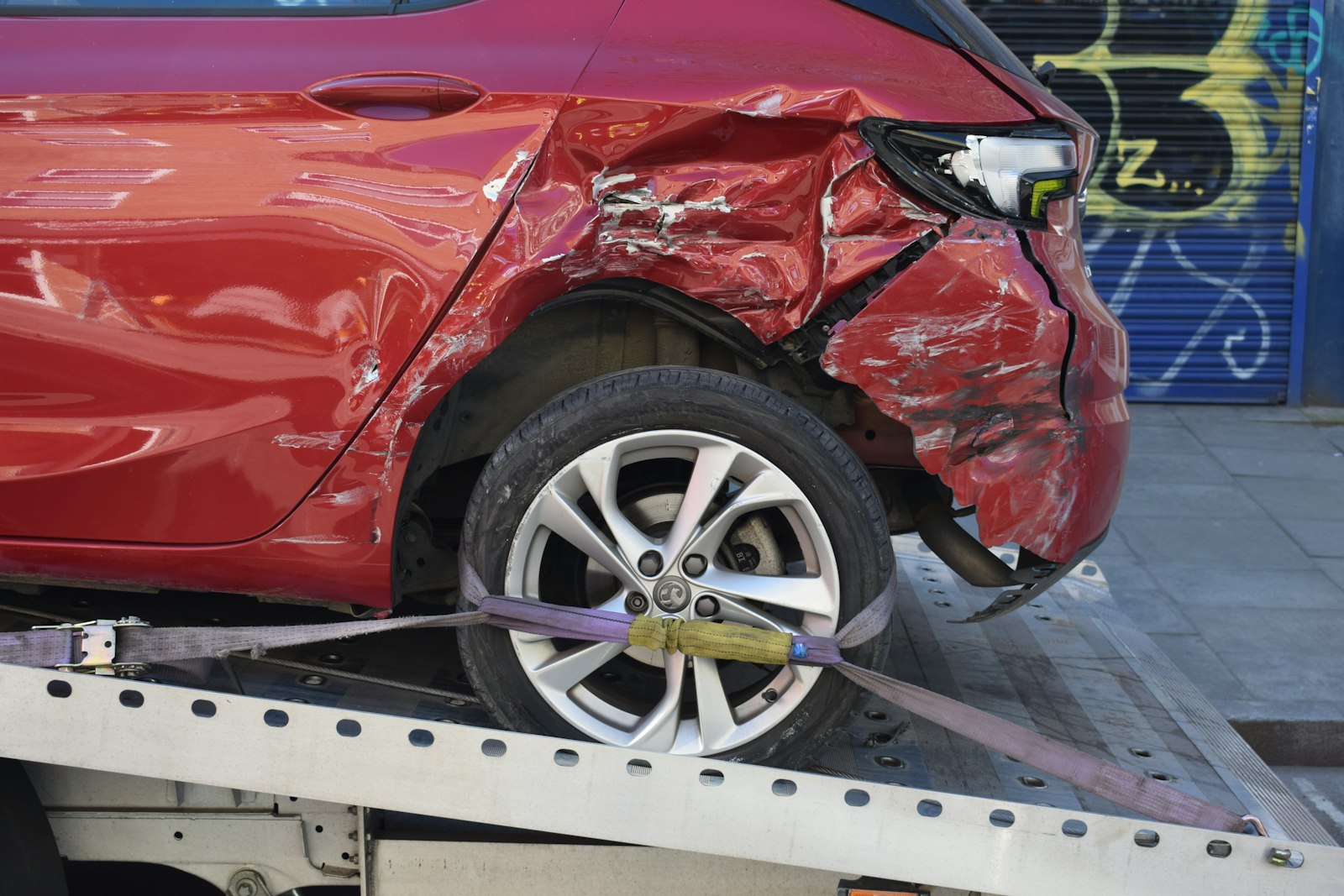
When an Ohio insurer totals your car, a cash offer has to reflect the real cost of buying a comparable vehicle, minus your deductible. If you buy a replacement within 30 days, the insurer also owes you the sales tax, up to the tax on a car worth the settlement. You can ask for the valuation records.
How does an Ohio insurer decide what your totaled car is worth?
The rule comes from the Ohio Department of Insurance's claims-handling regulation. A cash offer has to rest on the real cost to buy a comparable car, and the insurer has to use one of these methods:
- The average price of two or more comparable cars in your local market that were for sale in the last 90 days.
- If none are local, the average of two or more comparables from nearby areas, including the closest major metro in or out of state.
- If neither works, the average of quotes from two or more licensed dealers in your area.
- A recognized industry source, like a valuation database or a public guidebook, adjusted for condition, mileage and major options.
Whichever source an insurer uses, it has to use it consistently over time. It can't switch methods claim to claim to land on a lower number.
What records can you ask for?
More than most people realize. The insurer has to keep the documentation it used to set the value and give it to you if you ask. If it used a database, it has to provide the relevant pages of the valuation report. If it used a guidebook, it has to tell you which one.
When you get the report, check it line by line:
- Trim and options. A base model and a loaded one can be thousands apart.
- Mileage. Make sure it's your actual odometer reading.
- Condition adjustments. Ohio's rule says any deductions for betterment, depreciation or prior damage have to be itemized and documented in the file.
- The comparables. Are they really similar cars, and are they within a reasonable distance?
If something's wrong, send the correction in writing with proof, like a window sticker, service records or listings for cars that match yours.
Do you get sales tax back on a replacement car?
Yes, and this is the part people miss. If you buy a replacement within 30 days of getting the cash settlement, the insurer has to reimburse the sales tax you paid. The reimbursement is capped at the tax you'd owe on a car with a market value equal to your settlement. If you buy a cheaper car, you get back the actual tax you paid.
You have to send proof of the purchase and the tax paid within 33 days of receiving the settlement. Miss that window and the insurer doesn't have to pay it.
There's another route. The insurer can pay the sales tax up front as part of the settlement instead of reimbursing it later. Either way, if the company is handling a total loss by check, it's supposed to give you written notice of your right to the tax reimbursement at the same time it sends the money, unless it already paid the tax directly.
What if you can't find a comparable car at that price?
The rule covers that, too. An insurer that settles in cash has to tell you about your right to renegotiate if you can't find a comparable vehicle for sale within 35 days of getting the settlement. Keep screenshots of your search. Listings that disappear or cost more than the offer are your evidence.
If the insurer offers a replacement car instead of cash, it has to be the same make, the same or a newer year, a similar body style, with similar options and mileage, and in as good or better shape. It has to be available for you to inspect within a reasonable distance, and the insurer has to pay the title, tax and transfer fees beyond your deductible. It also has to give you the details of where that car is, including the VIN.
What other rules protect you during the claim?
A few timelines from the same regulation apply to every property and casualty claim, total losses included:
- The insurer has to acknowledge your claim within 15 days.
- It has to accept or deny within 21 days of getting a properly completed proof of loss, or tell you why it needs more time. After that, it owes you written status updates at least every 45 days.
- Once a claim is accepted and the amount isn't in dispute, payment is due within 10 days.
- If your car is sitting in a storage lot, the insurer has to tell you before it stops paying storage charges. Move fast when you get that notice, because daily fees add up.
If the other driver caused the crash, the at-fault driver's insurer may handle the total loss instead of yours. If your own company pays and later collects from the other insurer, Ohio's rule says your deductible has to be included in that demand and shared back with you proportionately.
FAQ
Can I keep my totaled car in Ohio?
Often yes, but the insurer will subtract the salvage value from your payout, and the car will need a salvage title. Ask for the exact salvage figure in writing before deciding.
Does my Ohio insurer have to pay sales tax on a totaled car?
Yes, if you buy a replacement within 30 days of the cash settlement and send proof within 33 days. The amount is capped at the tax on a car worth the settlement. Some insurers pay the tax up front instead.
How long does an insurer have to pay a total loss claim in Ohio?
Once the claim is accepted and the amount isn't in dispute, payment is due within 10 days.
What if I disagree with the insurer's value?
Ask for the valuation report, correct any errors in writing with documentation, and send listings for truly comparable cars. If you still can't resolve it, you can contact the Ohio Department of Insurance consumer line at 800-686-1526.
Next step
Before you sign a total loss release, go over the valuation report and your policy with a licensed local agent. Ask whether your policy has a gap or loan payoff provision, and confirm how the sales tax will be handled so you don't lose that money by accident.
Sources: Ohio Administrative Code 3901-1-54, unfair property and casualty claims settlement practices; Ohio Department of Insurance.
This is general information for Ohio. It is not a recommendation to buy, drop, or switch a specific policy. Confirm current details with the insurer or a licensed agent who knows your situation.
Agents who publish a lightly edited version on their own domain should set a canonical tag pointing to this URL.
List your business on the Ohio hub, free: Insurance