Ohio Car Insurance Minimums: 25/50/25 and What Happens Without Proof
James Brazil lives in Mérida, Mexico. He founded Swift Agent Sites and studied Classics at the University of Mississippi.
Published · Updated
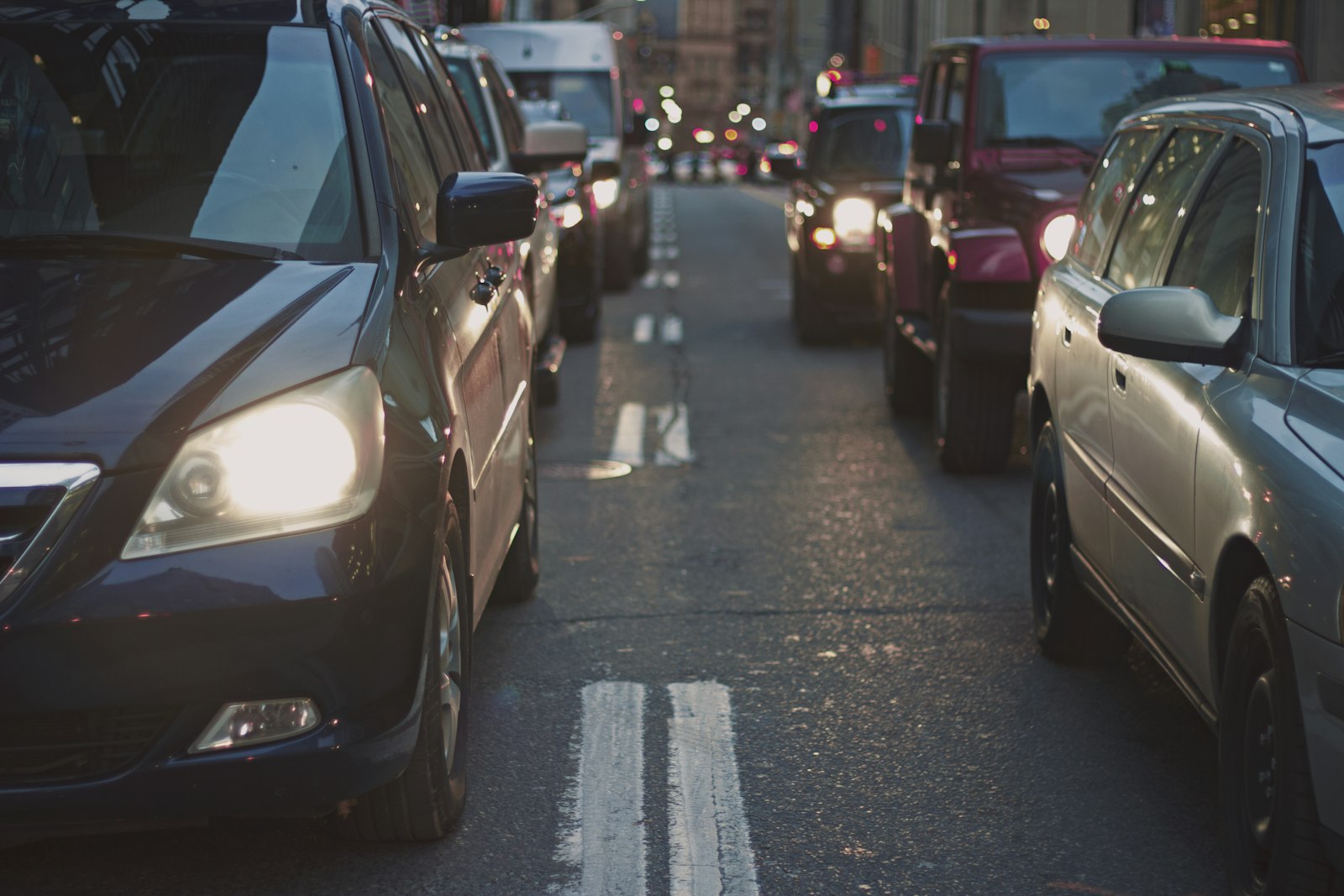
Ohio requires every owner's auto policy to carry at least $25,000 for bodily injury to one person, $50,000 for injuries to two or more people in one crash, and $25,000 for damage to other people's property. That's written as 25/50/25. It's the legal floor, and it only pays for harm you cause to others.
What do 25/50/25 limits actually pay for?
Each number covers a different slice of someone else's loss after a crash you're liable for. Your own car and your own injuries aren't part of it.
- $25,000 bodily injury, one person. The most your insurer will pay for one injured person's damages, such as medical bills and lost wages.
- $50,000 bodily injury, one accident. The cap for everyone hurt in a single crash, no matter how many people that is.
- $25,000 property damage. Repairs to the other driver's car, a fence, a storefront, a light pole.
The law says the policy has to cover you and anyone driving your car with your permission, for crashes anywhere in the United States or Canada. So lending your car to a friend for a weekend in Toronto doesn't leave a hole in your liability coverage.
Is the minimum enough for most drivers?
That's a judgment call, but the math is worth doing. A multi-car crash on I-71 can injure three people at once, and $50,000 spread across three hospital bills doesn't go far. A newer pickup or EV can cost more than $25,000 to repair on its own.
Ohio is an at-fault state. If you cause a crash and the damages run past your limits, the injured people can come after you for the rest. That's why many agents suggest looking at 100/300/100 or higher, and why people with a house or savings often add an umbrella policy. Getting quotes at two or three levels is the simplest way to see what the extra protection costs.
When do you have to show proof of insurance in Ohio?
Ohio law calls this keeping "proof of financial responsibility," and you need it continuously for the whole registration period. You don't mail anything in on a schedule. Instead, you'll be asked to verify coverage when:
- A police officer or trooper stops you for a traffic violation and asks for it.
- You're in a crash that requires an accident report.
- You get a ticket because you couldn't produce proof when an officer asked.
An insurance ID card in the glove box or on your phone works for a roadside stop. If you're in a crash and couldn't show proof at the scene but did have a policy, you can still send that proof to the BMV and have the suspension removed.
What happens if you're caught driving without insurance?
The penalties are civil, but they're real. A first violation brings a license suspension, and the BMV keeps your driving privileges suspended until you meet its reinstatement requirements.
For a first offense, the BMV lists:
- Carrying an SR-22 certificate of insurance (or a bond) for one year. If your first offense was added to your record before April 9, 2025, the requirement is three years.
- Paying a $40 reinstatement fee, plus a $10 deputy registrar service fee.
Repeat violations cost a lot more. The reinstatement fee is $300 for a second violation within a year and $600 for a third or later one. A second violation within a year also brings a longer suspension, and the court can't grant limited driving privileges for the first 15 days.
An SR-22 isn't a separate kind of insurance. It's a form your insurer files with the state saying you have coverage. Not every company writes them, and the ones that do usually charge more, because a lapse on your record tells them you're a higher risk. That's the hidden cost of a lapse: the fee is small, but the premiums that follow aren't.
What coverages should you ask about beyond the minimum?
The state minimum protects other people. These are the pieces that protect you:
- Uninsured and underinsured motorist coverage. Pays your injuries when the at-fault driver has no insurance or too little. Ask your agent how it's offered on your policy and what limits make sense.
- Collision. Pays to fix your car after a crash, regardless of fault, minus your deductible. Lenders and lease companies almost always require it.
- Comprehensive. Covers theft, hail, falling trees, flooding and hitting a deer. Ohio's deer collisions peak in the fall, so this one earns its keep.
- Medical payments. Helps with your and your passengers' medical bills after a crash, regardless of fault.
- Rental reimbursement and towing. Cheap add-ons that matter when your car is in the shop for two weeks.
How do you check what your policy says right now?
Pull up your declarations page, usually the first page of the policy or a PDF in your insurer's app. Look for:
- Bodily injury liability written as two numbers, like 25/50 or 100/300.
- Property damage liability.
- Uninsured and underinsured motorist limits.
- Collision and comprehensive deductibles.
- The policy period, so you know exactly when it renews.
If you're switching companies, start the new policy before the old one ends. Even a one-day gap can count as driving without proof if you get stopped that day.
FAQ
What is the minimum car insurance in Ohio?
Bodily injury liability of $25,000 per person and $50,000 per accident, and $25,000 in property damage liability, often written as 25/50/25.
Does Ohio still mail random insurance verification letters?
No. The current statute doesn't include random selection. Proof is checked at traffic stops, after reportable crashes and when you get a ticket for not showing proof.
How much is the BMV reinstatement fee for driving uninsured?
$40 for a first violation, $300 for a second within one year, and $600 for a third or later within one year, plus a $10 deputy registrar service fee.
How long do I need an SR-22 in Ohio after a first offense?
One year for first offenses added to your record on or after April 9, 2025. Earlier first offenses carried a three-year requirement.
Next step
Before your next renewal, talk with a licensed local agent about how your liability limits compare with what you own. Ask for side-by-side quotes at 25/50/25, 50/100/50 and 100/300/100, and ask how uninsured motorist coverage is set up on your policy today.
Sources: Ohio Revised Code 4509.51, owner's liability insurance; Ohio Revised Code 4509.101, proof of financial responsibility; Ohio BMV, insurance non-compliance suspension.
This is general information for Ohio. It is not a recommendation to buy, drop, or switch a specific policy. Confirm current details with the insurer or a licensed agent who knows your situation.
Agents who publish a lightly edited version on their own domain should set a canonical tag pointing to this URL.
List your business on the Ohio hub, free: Insurance