Flood Insurance Is Not in a Standard Washington Homeowners Policy, and NFIP Coverage Usually Has a 30-Day Wait
James Brazil lives in Mérida, Mexico. He founded Swift Agent Sites and studied Classics at the University of Mississippi.
Published · Updated
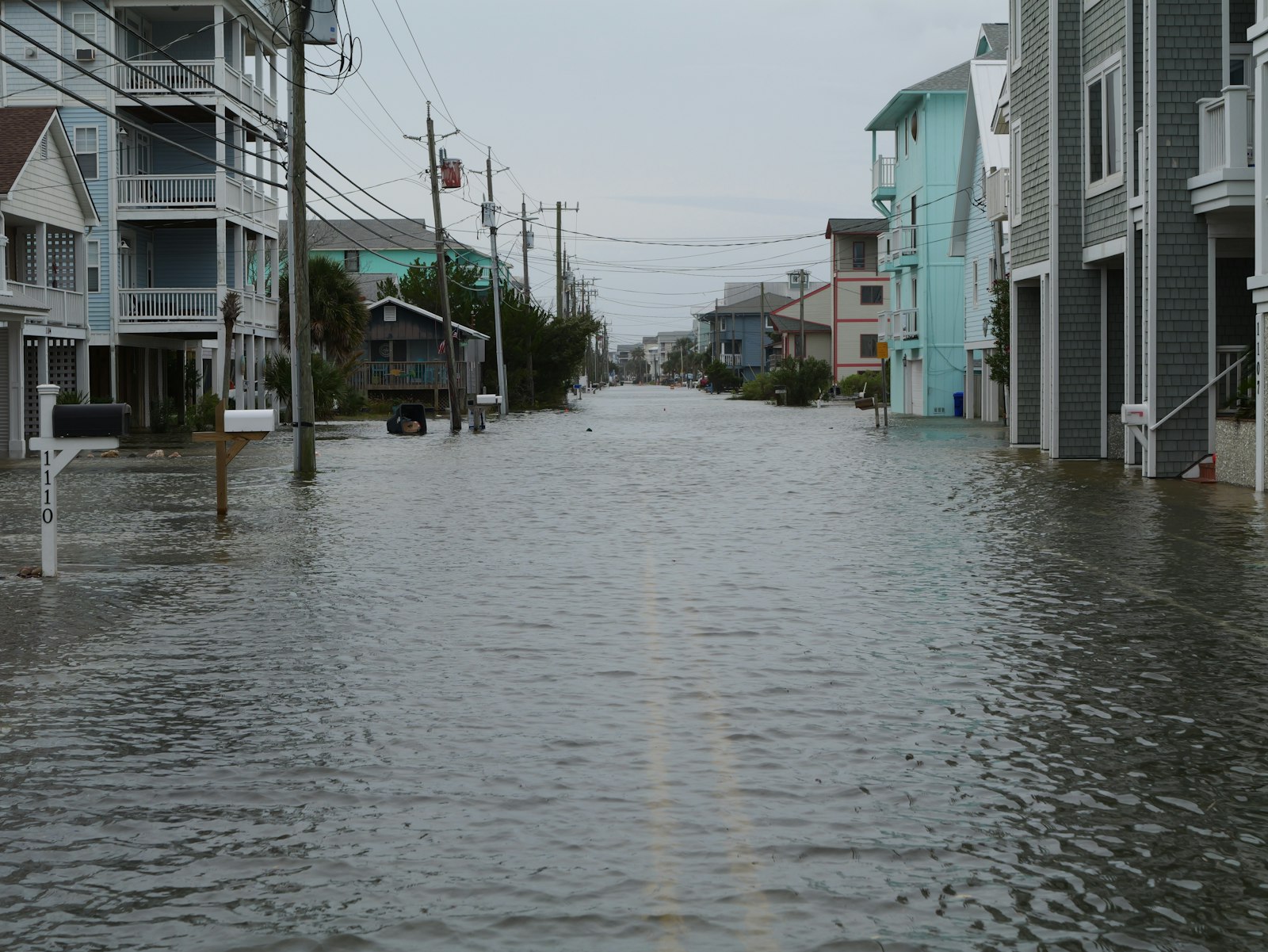
A typical Washington homeowners or renters policy excludes flood damage. You need a separate flood policy, often through the National Flood Insurance Program (NFIP). For a standard NFIP policy, coverage on the building usually begins 30 days after the policy is written, unless the policy is required for a mortgage.
What counts as a flood, and who needs a separate policy?
The Office of the Insurance Commissioner describes a flood, in insurance terms, as excessive water on land that is usually dry, affecting two or more acres or two or more properties. Flood water can reach a home from heavy rain, overflowing inland or tidal waters, overflowing storm drains, or mudflows. That is different from a burst pipe inside the house, which a homeowners policy may treat as a sudden water-damage claim, subject to the policy's terms. Sewer backup is also different: the OIC notes that sewer backup is not covered by a standard home policy and can be added as an optional endorsement.
Washington has river flooding, Puget Sound coastal flooding, and heavy atmospheric-river storms. FEMA has said that nearly one-third of flood claims occur outside designated high-risk areas. Damaged drainage, a broken water main, or a failed levee can flood a house that is not in a mapped Special Flood Hazard Area. If you are buying property in a high-risk flood zone, a mortgage lender will likely require flood insurance. Living outside a high-risk zone does not mean a flood policy is unused. Without it, repairs come out of pocket.
A landlord's policy, if you rent, covers the building, not your belongings. A standard renters policy also excludes flood. Renters who want flood protection need a separate flood policy for personal property, which the OIC says may be an NFIP renters policy or, in some cases, other coverage arranged through an agent. For vehicles, liability-only auto insurance does not pay for flood damage; comprehensive coverage is the auto coverage that can apply, and it does not cover personal items left in the car.
Standard NFIP limits, as the OIC lists them, are:
- For a home: $250,000 on the building and $100,000 on personal property inside it. Detached buildings and their contents are not covered under that standard structure.
- For a business: $500,000 on a building and $500,000 on contents.
If those caps are too low for the property, an agent can discuss excess flood coverage. NFIP is not the only market. Private flood insurance also exists. The OIC notes that if you have a policy from a surplus-line insurer, coverage usually starts immediately, which is different from the usual NFIP waiting period.
The 30-day wait, and how to check your flood risk
For National Flood Insurance Program policies, the OIC states that coverage starts 30 days after the policy is written, unless the policy is required for a mortgage. That wait is why it is a poor plan to shop for a flood policy only when a forecast looks bad. If you are closing on a loan that requires flood insurance, ask the agent and the lender, in writing, when coverage will start. FEMA's Flood Map Service Center and FloodSmart can show whether a property sits in a mapped high-risk area, but a map is not a policy, and maps change.
The OIC's homeowners guide is blunt: your homeowner policy will not cover flooding, and you have to buy flood insurance separately. It covers physical losses caused by flood, flood-related erosion, and abnormal tidal surges. You can buy it through an agent or through the NFIP at 1-888-356-6329 or FloodSmart.gov.
Before you buy or renew, sit down with a licensed local agent and review:
- Whether your current homeowners or renters policy has any water-related endorsements, and what they still exclude.
- Whether a flood policy would be written through the NFIP or the private market, and when coverage would start.
- Building and contents limits, deductibles, and whether a detached garage or shed would be covered.
- How a mortgage-required policy is handled at closing, so there is no gap.
Earthquakes and floods are easy to mix up after a coastal quake. A standard homeowners policy and a separate earthquake policy may still exclude flood, tidal waves, or tsunamis, even when an earthquake causes them. Ask the agent about that exclusion in plain language, and read the policy.
Work only with a licensed insurer and a licensed agent. If a quote looks far below every other offer, or someone wants cash outside normal channels, call the OIC at 800-562-6900 before you pay.
FAQ
Does a standard Washington homeowners policy cover flood damage?
No. The Office of the Insurance Commissioner and its homeowners guide both state that a typical home policy excludes flooding. A separate flood policy is required for that protection.
When does NFIP coverage start?
For standard NFIP policies, coverage on the building usually begins 30 days after the policy is written, unless the policy is required for a mortgage. Some surplus-line flood policies start immediately. Confirm the start date in writing.
If my house is not in a high-risk flood zone, do I still need a flood policy?
A lender may not require it, but FEMA has reported that a large share of flood claims occur outside high-risk areas. Whether to buy a policy is a personal decision to review with a licensed agent and a current flood map.
Are my belongings covered if I rent?
Not by the landlord's building policy, and not by a standard renters policy, which also excludes flood. A separate flood policy for personal property is the usual way to cover belongings.
Next step
Ask a licensed local agent to review your homeowners or renters policy for the flood exclusion, to check current FEMA flood maps for your address, and to quote an NFIP or private flood policy, including the start date and the waiting period.
Sources: Washington Office of the Insurance Commissioner, flood insurance; Washington OIC, A Consumer's Guide to Homeowner Insurance (PDF); National Flood Insurance Program, FloodSmart; FEMA Flood Map Service Center.
This is general information for Washington. It is not a recommendation to buy, drop, or switch a specific policy. Confirm current details with the insurer or a licensed agent who knows your situation.
Agents who publish a lightly edited version on their own domain should set a canonical tag pointing to this URL.
List your business on the Washington hub, free: Insurance