Washington Underinsured Motorist Coverage: It's on Your Auto Policy Unless You Reject It in Writing
James Brazil lives in Mérida, Mexico. He founded Swift Agent Sites and studied Classics at the University of Mississippi.
Published · Updated
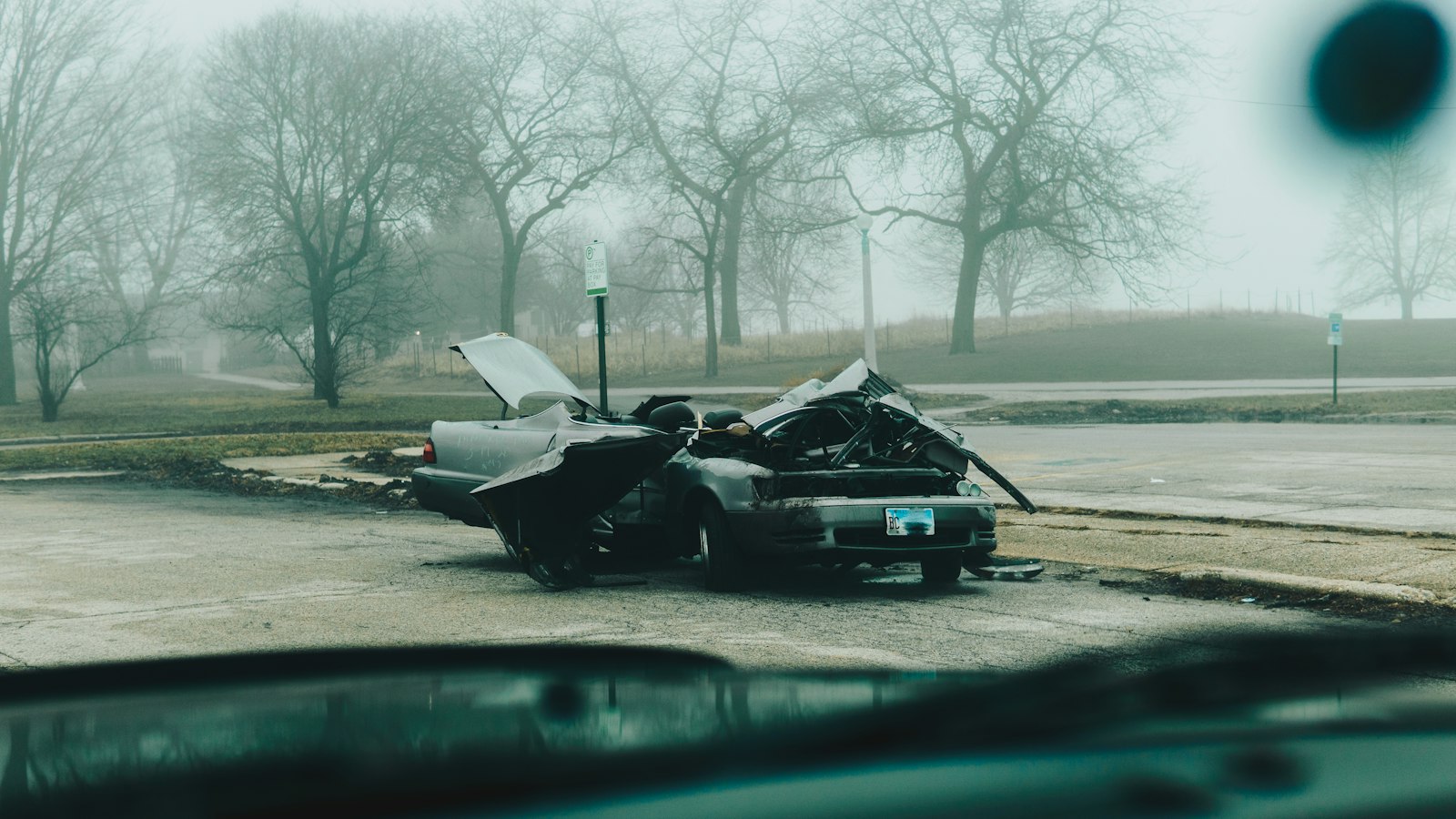
Washington auto policies for vehicles registered or principally garaged in the state include underinsured motorist coverage, at the same bodily-injury limits as your liability coverage, unless a named insured or spouse rejects it in writing. The coverage also applies to uninsured, hit-and-run, and phantom vehicles. Read your declarations page to see whether it is still in force.
What does "underinsured" mean in Washington?
RCW 48.22.030 uses "underinsured motor vehicle" in a broad way. It includes a vehicle with no bodily injury or property damage liability insurance at the time of the crash, and a vehicle whose liability limits are less than the damages you are legally entitled to recover. In plain terms, the same coverage is how you may be paid if the other driver has no insurance, has too little insurance, leaves the scene, or cannot be identified.
The Office of the Insurance Commissioner explains that this coverage reimburses you if you, a family member, or your designated driver is hit by an uninsured driver, a hit-and-run driver, or an unidentified vehicle that forces you to have an accident. For a hit-and-run or unidentified vehicle, the OIC says to report the accident to local law enforcement within 72 hours, and to try to get contact information from witnesses. The statute has its own conditions for phantom-vehicle claims, including corroboration and a prompt report. Check your policy for the exact steps.
The coverage has to be included on a new or renewal auto liability policy for a vehicle registered or principally garaged in Washington, except while you are operating or occupying a motorcycle or motor-driven cycle, and except while you are in a vehicle that is owned or available for regular use by the named insured or a family member and is not insured under that policy's liability coverage. Agents and brokers also have to offer this type of coverage to motorcycle drivers. It does not apply to umbrella policies or other excess policies.
Except for property damage, the coverage has to be in the same amount as your third-party liability coverage unless you reject all or part of it in the way the law allows. Property damage underinsured coverage only has to be issued together with coverage for bodily injury or death. A named insured or spouse may reject, in writing, underinsured coverage for bodily injury or death, or for property damage. If it has been rejected, it will not be added back on a renewal unless a named insured or spouse later requests it in writing. The written-rejection rule applies to the original issuance of policies issued after July 24, 1983, not to every later renewal. If you choose property-damage underinsured coverage that is lower than your property-damage liability limit, a written rejection is not required.
Why the legal liability minimum makes this coverage matter
Washington's liability minimums are $25,000 per person and $50,000 per accident for bodily injury, and $10,000 for property damage. If the at-fault driver carries only those floors, your medical bills, lost wages, or vehicle damage can exceed what that driver's policy will pay. Underinsured motorist coverage is the part of your own policy that may fill that gap, up to the limit you carry and subject to the policy's terms.
Because the default is to match your liability limits, a decision to raise your bodily-injury liability often raises the underinsured limit as well, unless you reject the extra amount in writing. A decision to drop the coverage, or to keep only the minimum, is easy to miss on a renewal. Look at the declarations page, not only the monthly premium.
The coverage is not a substitute for liability insurance, and it is not the same as collision or comprehensive. Collision pays for damage to your car in a crash, with a deductible, even when you are at fault. Comprehensive pays for theft or damage from something other than a collision with another car or object, such as fire, vandalism, or contact with a deer. Personal injury protection, which is optional in Washington, can help pay medical bills and related costs for you and your passengers, regardless of fault. Underinsured motorist coverage is about damages you are legally entitled to recover from another driver who has no insurance, too little insurance, or cannot be identified.
When you review a quote or a renewal, ask a licensed agent to write down:
- Whether underinsured motorist coverage is currently on the policy, and at what limits.
- Whether a named insured or spouse has a written rejection on file.
- How property-damage underinsured coverage is handled, and any deductible (the law allows a deductible of up to $300 in some hit-and-run or phantom-vehicle property-damage claims).
- What the policy requires after a hit-and-run or phantom-vehicle accident, including the 72-hour report the OIC describes.
If a quote looks far below every other offer, or someone wants cash outside normal channels, call the OIC's Consumer Advocacy line at 800-562-6900 before you pay, and ask whether the company is authorized to write auto insurance in Washington.
FAQ
Is underinsured motorist coverage required in Washington?
It has to be included on a qualifying auto policy unless a named insured or spouse rejects it in writing. If you do not reject it, the bodily-injury limit generally matches your liability limit.
Does this coverage help if the other driver has insurance, just not enough?
Yes. In Washington, "underinsured" includes a driver whose liability limits are less than the damages you are legally entitled to recover, as well as a driver with no insurance.
What should I do after a hit-and-run?
The OIC says to report the accident to local law enforcement within 72 hours and to collect witness information if you can. Then read your policy and call your insurer. Phantom-vehicle claims have additional statutory conditions.
If I rejected this coverage years ago, will it come back automatically when I renew?
No. If a named insured or spouse has rejected the coverage, it stays off later policies unless a named insured or spouse later requests it in writing. Confirm the current status on your declarations page.
Next step
Ask a licensed local agent to show you whether underinsured motorist coverage is on your policy, whether it matches your liability limits, and what a written rejection, if any, is still doing. If you were in a hit-and-run, report it promptly and then review the claim with that agent.
Sources: RCW 48.22.030; Washington Office of the Insurance Commissioner, how auto insurance works; Washington Office of the Insurance Commissioner, mandatory auto insurance law.
This is general information for Washington. It is not a recommendation to buy, drop, or switch a specific policy. Confirm current details with the insurer or a licensed agent who knows your situation.
Agents who publish a lightly edited version on their own domain should set a canonical tag pointing to this URL.
List your business on the Washington hub, free: Insurance