North Carolina Named Storm and Wind Deductibles, and the Coastal Insurance Pool
James Brazil lives in Mérida, Mexico. He founded Swift Agent Sites and studied Classics at the University of Mississippi.
Published · Updated
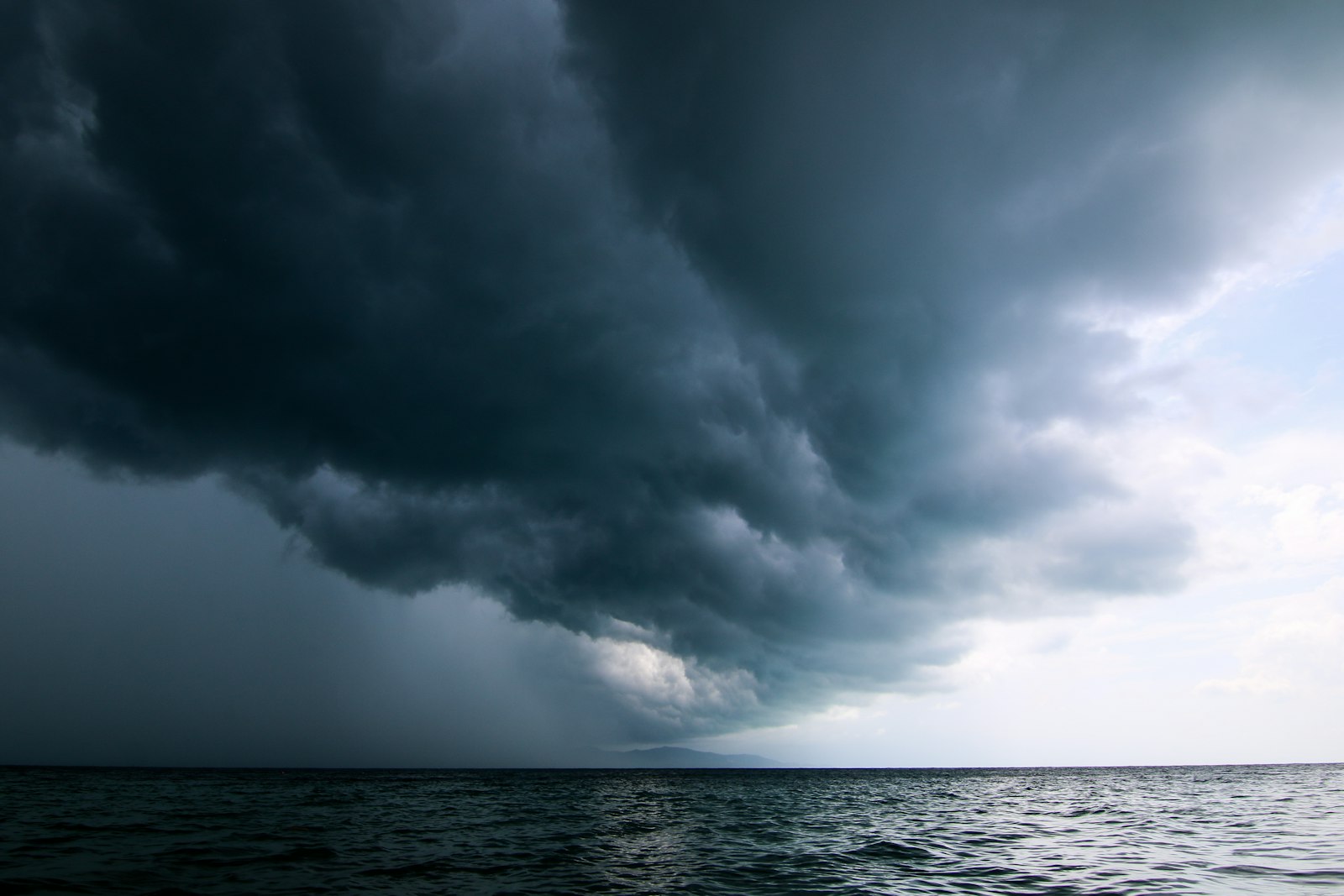
A North Carolina homeowners policy can use a percentage deductible for a named storm, or for wind and hail, instead of a flat dollar amount. Coastal homes may also need a separate wind policy from the North Carolina Insurance Underwriting Association. The deductible and the claim path are both worth reading before a storm forms.
What is a named storm deductible?
The Department of Insurance defines a "named storm" as a weather-related event involving wind that has been given a formal name by the National Hurricane Center, the National Weather Service, the World Meteorological Association, or another recognized scientific group that names storms for public use. That includes hurricanes, tropical storms, and tropical depressions.
The deductible is typically a percentage of your Coverage A (dwelling) or Coverage C (personal property) limit, and it's shown on your declarations page. The Department's example is straightforward: a 2% named storm deductible on a home insured for $300,000 is $6,000.
That deductible typically applies only during a set window:
- It starts when the National Weather Service issues an advisory, watch, or warning for a named storm for any part of North Carolina.
- It ends 24 hours after the last watch or warning for any part of the state ends, or 24 hours after the last advisory, whichever is later.
A storm that never puts a watch or warning up for North Carolina may not trigger this deductible, even if you get wind or rain. A storm that does can trigger it statewide once any part of the state is under a watch or warning. Read your own policy, because the endorsement has to match what's on the declarations page.
How is a regular wind or hail percentage deductible different?
Some policies use a windstorm or hail percentage deductible that is not limited to named storms. The Department says this one is a percentage of Coverage A and is also shown on the declarations page.
The example given is a 1% deductible on $200,000 of dwelling coverage, which means you'd pay $2,000 out of pocket for a wind or hail claim. Unlike the named storm version, this deductible can apply to a garden-variety thunderstorm or hail event, not just a named tropical system.
If your policy has both kinds of deductibles, ask your agent which one applies in which situation. You don't want to find out after a September storm that the larger percentage applied.
When do you need a policy from the Coastal Property Insurance Pool?
Depending on where you live and the company's underwriting guidelines, windstorm and hail coverage may be excluded from the primary homeowners policy. In that case, you may buy a separate windstorm and hail policy. Along the North Carolina coast, that policy is often written by the North Carolina Insurance Underwriting Association, also called the Coastal Property Insurance Pool or NCIUA.
NCIUA is a tax-exempt association of insurers created by law to offer essential property insurance in the state's beach and coastal areas. To buy a windstorm and hail policy there, you have to keep an active primary policy with an admitted carrier in North Carolina that has excluded windstorm. The separate policy has its own deductible.
If wind is excluded from your homeowners policy and you don't have the NCIUA policy, a hurricane claim for wind damage may not be covered at all. That's a different problem than a high deductible.
How do you file a wind or hail claim?
Even if you have a separate NCIUA wind policy, your primary insurer investigates and adjusts the claim. Start by calling your homeowners agent or company to report the loss.
The Department also recommends:
- Do what you can to stop further damage, such as putting a tarp on a damaged roof, and keep receipts. Reasonable costs to protect the property may be reimbursed.
- Make a list of the damage and take clear photos before you make temporary repairs.
- Don't make permanent repairs until the insurer has inspected the damage and you've agreed on the repair cost.
- Check with the company before you throw away damaged materials.
- If you can't stay in the house, ask which living expenses will be reimbursed.
- Ask the adjuster what to expect and whether more information is needed.
A percentage deductible can be a large out-of-pocket number. Knowing that number in June is a lot easier than learning it in September.
FAQ
How is a 2% named storm deductible calculated?
It's typically a percentage of your Coverage A or Coverage C limit, as shown on the declarations page. The Department of Insurance's example is 2% of $300,000, which equals $6,000.
When does a named storm deductible apply?
It typically starts when the National Weather Service issues a named-storm advisory, watch, or warning for any part of North Carolina, and it ends 24 hours after the last watch, warning, or advisory for any part of the state.
What is NCIUA?
The North Carolina Insurance Underwriting Association, also called the Coastal Property Insurance Pool, writes essential property coverage, including separate windstorm and hail policies, in the state's beach and coastal areas.
If I have an NCIUA wind policy, who adjusts my claim?
Your primary homeowners insurer investigates and adjusts the claim, even when the wind coverage sits on a separate NCIUA policy.
Next step
Pull your declarations page and talk with a licensed local agent about which wind or named storm deductible you have, how many dollars that percentage equals on your Coverage A limit, and whether you need a separate coastal wind policy.
Sources: N.C. Department of Insurance, windstorm and hail.
This is general information for North Carolina. It is not a recommendation to buy, drop, or switch a specific policy. Confirm current details with the insurer or a licensed agent who knows your situation.
Agents who publish a lightly edited version on their own domain should set a canonical tag pointing to this URL.
List your business on the North Carolina hub, free: Insurance