Flood Insurance in North Carolina: It's Not in Your Homeowners Policy
James Brazil lives in Mérida, Mexico. He founded Swift Agent Sites and studied Classics at the University of Mississippi.
Published · Updated
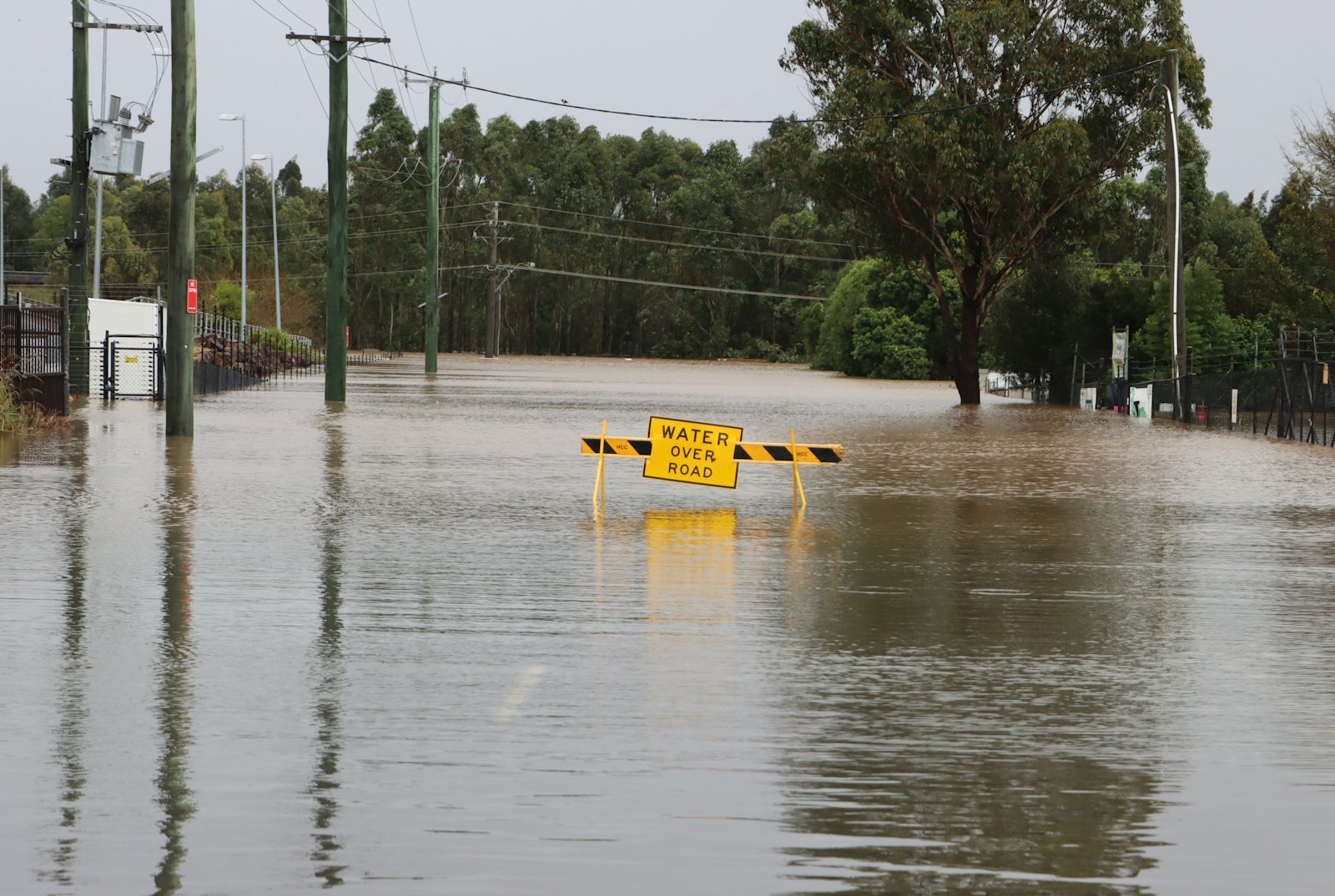
A standard North Carolina homeowners policy does not cover flood damage. If you want that protection, you have to buy a separate flood policy, usually through the National Flood Insurance Program or a private insurer. Most NFIP policies have a 30-day waiting period, so buying coverage when a storm is already on the map is often too late.
What counts as a flood, and why doesn't homeowners cover it?
Homeowners insurance is built to cover risks like fire, theft, and certain kinds of wind or hail, subject to your deductibles and exclusions. Flood is treated as a separate peril. The Department of Insurance is direct about it: homeowners policies do not cover flood damage.
The federal NFIP covers direct flood and flood-related damage, including mudslide and erosion, in communities that take part in the program. North Carolina communities that join agree to adopt zoning rules that limit future building in flood-prone areas. If your town participates, you can generally buy an NFIP policy even if you are not in a mapped high-risk flood zone.
That's an important point. The Department warns that you shouldn't assume you're safe just because your house is not in a designated floodplain. Heavy rain, a river overflowing its banks, or storm surge can flood homes well outside the official high-risk zones. A lender may require flood insurance if the home is in a mapped floodplain. If it isn't, the requirement may not apply, but the water risk can still be real.
How long is the waiting period?
Most NFIP policies have a 30-day waiting period before coverage starts. There are exceptions, including some purchases tied to a loan closing, but you shouldn't count on an exception unless your agent or the program confirms it.
The Department and FEMA both stress the same practical advice: don't wait until a storm is approaching. If you need coverage in place for hurricane season, start the application well before you need it.
FEMA also offers a way to get a personalized NFIP quote and, in many cases, buy a policy directly through FloodSmart.gov. You can still work with an insurance agent if you prefer. For more information, NFIP can be reached at 1-800-427-4661.
What do NFIP policies typically cover, and what do they leave out?
Standard NFIP dwelling coverage is often discussed in two parts: the building and the contents. Building coverage can insure the structure and certain items that are built in. Contents coverage, if you buy it, can insure personal property inside the home. Those two limits are chosen separately, and contents coverage is not automatic just because you insured the building.
Typical NFIP limits for a home are up to $250,000 for the building and up to $100,000 for personal property. If your house would cost more than that to rebuild, talk with an agent about whether excess flood coverage is available from a private insurer.
NFIP policies also have important exclusions. They generally do not cover:
- Additional living expenses if you have to leave the house, such as hotel bills.
- Property and belongings kept outside, like a deck set or a shed's contents, in many cases.
- Certain basement contents and improvements, which are limited or excluded.
- Vehicles, cash, and similar items.
Read the policy or an official summary before you assume a finished basement or a detached structure is covered. If you need living-expense coverage after a flood, you may have to look at a private flood policy or a separate arrangement. Don't assume your homeowners additional living expense coverage will fill that gap for a flood.
How do you decide whether to buy it?
Start with your flood zone and your actual risk, not just the lender's requirement:
- Look up your address on FEMA's flood map service and ask your agent or a floodplain official what the zone means.
- Think about nearby creeks, rivers, and drainage, and about storm surge if you're near the coast.
- Ask what it would cost to repair floors, walls, and a heating system after a few feet of water.
- Compare an NFIP quote with any private flood quote, including deductibles, waiting periods, and living-expense coverage.
A policy that costs a few hundred or a few thousand dollars a year is easier to judge once you've priced a single interior rebuild.
FAQ
Does a standard homeowners policy in North Carolina cover flood damage?
No. The Department of Insurance says homeowners insurance policies do not cover flood damage. You need a separate flood policy.
How long do I have to wait for NFIP coverage to start?
Most NFIP policies have a 30-day waiting period. Some exceptions exist, including certain loan-related purchases. Confirm the start date in writing when you buy.
Do I need flood insurance if I'm not in a floodplain?
You may not be required to buy it by a lender, but you can still flood. The Department advises people not to assume they're safe just because the home is outside a designated floodplain.
Can I buy flood insurance directly from the federal program?
Yes. FEMA's FloodSmart.gov tool lets you get a quote and, in many cases, purchase an NFIP policy directly. You can also buy through an insurance agent.
Next step
Ask a licensed local agent to quote a flood policy on your address, including the waiting period and whether contents and additional living expenses are covered. If you live near water or in a mapped flood zone, don't wait for a named storm to start that conversation.
Sources: N.C. Department of Insurance, flood insurance; National Flood Insurance Program, buy a flood insurance policy; N.C. Department of Insurance, November 10, 2026 flood insurance notice.
This is general information for North Carolina. It is not a recommendation to buy, drop, or switch a specific policy. Confirm current details with the insurer or a licensed agent who knows your situation.
Agents who publish a lightly edited version on their own domain should set a canonical tag pointing to this URL.
List your business on the North Carolina hub, free: Insurance