Flood Insurance Is Not in an Indiana Homeowners Policy, and NFIP Coverage Usually Has a 30-Day Wait
James Brazil lives in Mérida, Mexico. He founded Swift Agent Sites and studied Classics at the University of Mississippi.
Published · Updated
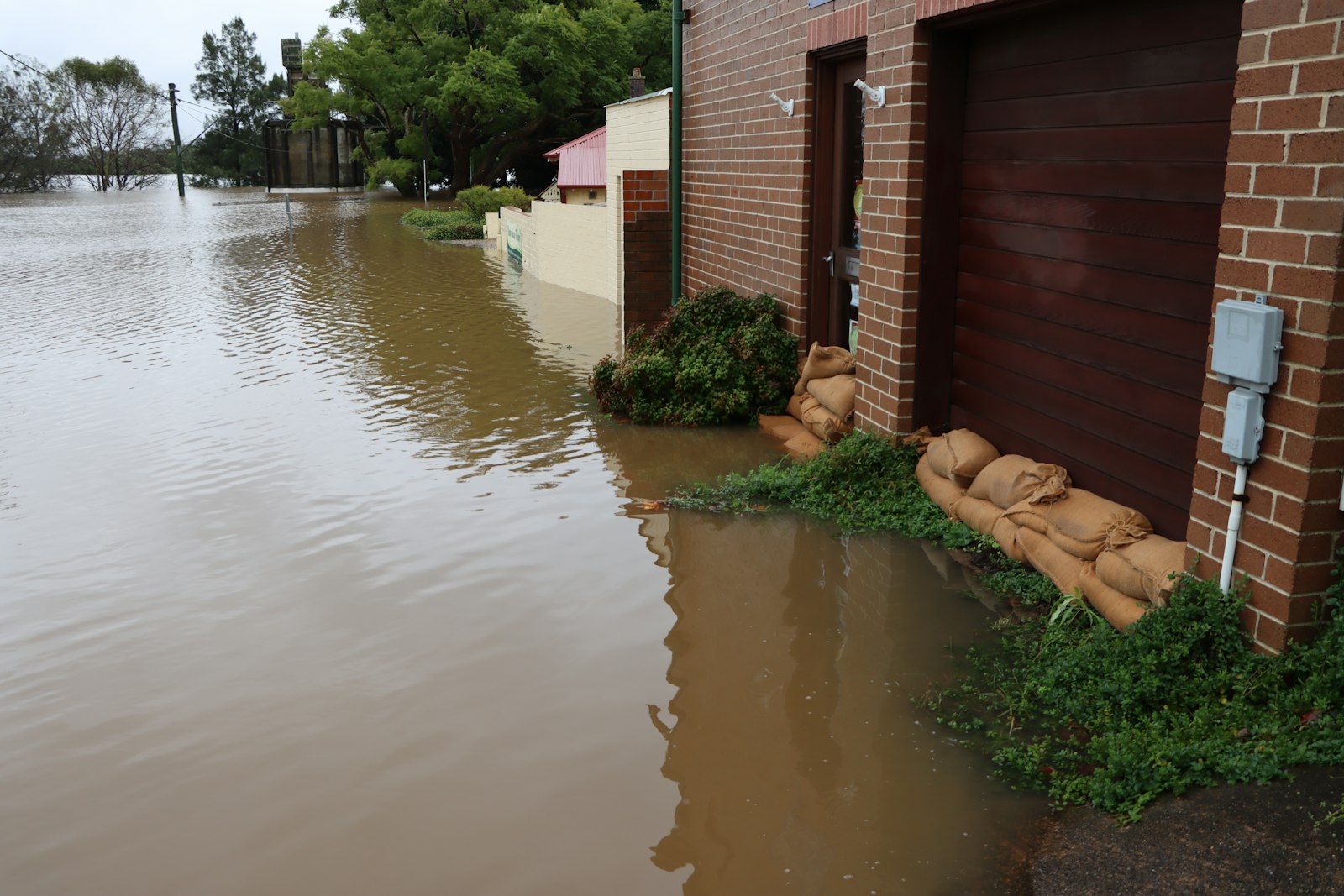
A standard Indiana homeowners policy generally does not cover flood damage. Separate flood insurance, often through the National Flood Insurance Program (NFIP), normally will not go into effect until 30 days after you purchase the policy, a point the Indiana Department of Insurance (IDOI) has repeated in its flood insurance consumer alert.
That delay is one of the most common coverage surprises after a storm.
Why a homeowners policy is not enough
IDOI's flood alert asks, "Will my homeowners policy respond to a flood loss?" and answers: generally speaking, a homeowners policy will not cover flood loss. Some companies offer a hydrostatic-pressure endorsement, but IDOI says most of those endorsements cover only collapse of the structure due to hydrostatic pressure and do not insure other flood-related damage. Some policies provide limited coverage for sewer or drain backup, but IDOI notes that most of those provisions exclude backup as a result of flood and often limit payment to amounts usually less than $5,000. A scheduled property floater for listed items such as jewelry or art may respond to flood on those items; review the policy rather than assuming it.
A flood, as IDOI restates from the NFIP, is an excess of water or mud on land that is normally dry, including inundation of two or more acres of normally dry land or of two or more properties from overflow, unusual surface-water accumulation, mudflow, or certain shoreline collapse. That is a different peril from wind or a typical plumbing leak.
IDOI also cautions against treating a mortgage company's decision as a flood-risk analysis. Just because a lender does not require a flood policy does not mean the property cannot flood. The NFIP policy is designed to pay most damages resulting from a flood, IDOI says, and the household still has to decide how it would pay for a loss without that coverage.
Vehicles are different from buildings. If you carry "other than collision" coverage, formerly called comprehensive, IDOI says flood damage to a car, truck, SUV, or motorcycle should be covered up to actual cash value at the time of loss, minus the deductible. Towing and road-service coverage, if you have it, may also help with removal of the vehicle.
How to buy coverage, and what the waiting period means
You can buy flood insurance for a home or business whether or not the property is in a mapped floodplain, as long as the community participates in the NFIP, IDOI says. Purchase it from a property and casualty agent or company. To confirm community participation, IDOI has pointed consumers to FEMA's Indiana community list, and an agent can confirm availability and cost. IDOI has described NFIP dwelling coverage of up to $250,000 for the home and, for an additional premium, up to $100,000 for contents, with higher limits described for non-residential buildings. Confirm current limits and deductibles with the agent and with FloodSmart.gov, because program details can change.
Plan ahead. A former IDOI commissioner, quoted in the Department's alert, stressed that a flood insurance policy normally will not go into effect until 30 days after you purchase it. Waiting until water is already rising is often too late for that event. Ask the agent about any exception, including coverage required at a loan closing, and about the waiting period on a private flood policy if one is offered.
Look up the property on FEMA's Flood Map Service Center, then compare an NFIP quote and, if available, a private flood quote. After a flood, IDOI advises protecting the property from further loss, separating damaged property, documenting losses with photos and lists, and filing a proof of loss within 60 days. For more information, IDOI points to FloodSmart.gov and to the Department at 800-622-4461.
IDOI has also warned that hydrostatic-pressure endorsements usually cover only collapse, and that sewer or drain backup coverage often excludes flood and is often limited to usually less than $5,000. Comprehensive coverage, sometimes labeled "other than collision," should cover flood damage to a vehicle, generally at actual cash value minus the deductible. NFIP claims typically require a proof of loss within 60 days. IDOI has described NFIP building coverage up to $250,000 and contents coverage up to $100,000; confirm current limits with a licensed agent and with FloodSmart.gov, because program rules can change. Check the Flood Map Service Center at msc.fema.gov for the property's flood zone before you buy or renew.
FAQ
Does a standard homeowners policy in Indiana cover flooding?
Generally no. IDOI states that a homeowners policy will not cover flood loss, with only limited possible exceptions such as certain hydrostatic-pressure or sewer-backup endorsements, which often do not cover a typical flood.
How long before NFIP coverage takes effect?
IDOI says a flood insurance policy normally will not go into effect until 30 days after you purchase it. Ask a licensed agent about exceptions, including a policy required at a loan closing.
If my lender does not require flood insurance, am I safe to skip it?
Not necessarily. IDOI warns not to confuse a mortgage requirement with the actual flood exposure on the property.
Is flood damage to a car covered by auto insurance?
If you carry other-than-collision (comprehensive) coverage, IDOI says flood damage to the vehicle should be covered up to actual cash value minus the deductible.
Next step
Look up the property on FEMA's Flood Map Service Center, then ask a licensed local agent to quote NFIP or private flood coverage, including the waiting period, building and contents limits, and whether your community participates in the NFIP.
Sources: Indiana Department of Insurance, Flood Insurance; National Flood Insurance Program, FloodSmart; FEMA Flood Map Service Center.
This is general information for Indiana. It is not a recommendation to buy, drop, or switch a specific policy. Confirm current details with the insurer or a licensed agent who knows your situation.
Agents who publish a lightly edited version on their own domain should set a canonical tag pointing to this URL.
List your business on the Indiana hub, free: Insurance