Virginia Uninsured and Underinsured Motorist Coverage: It's Required on Every Auto Policy
James Brazil lives in Mérida, Mexico. He founded Swift Agent Sites and studied Classics at the University of Mississippi.
Published · Updated
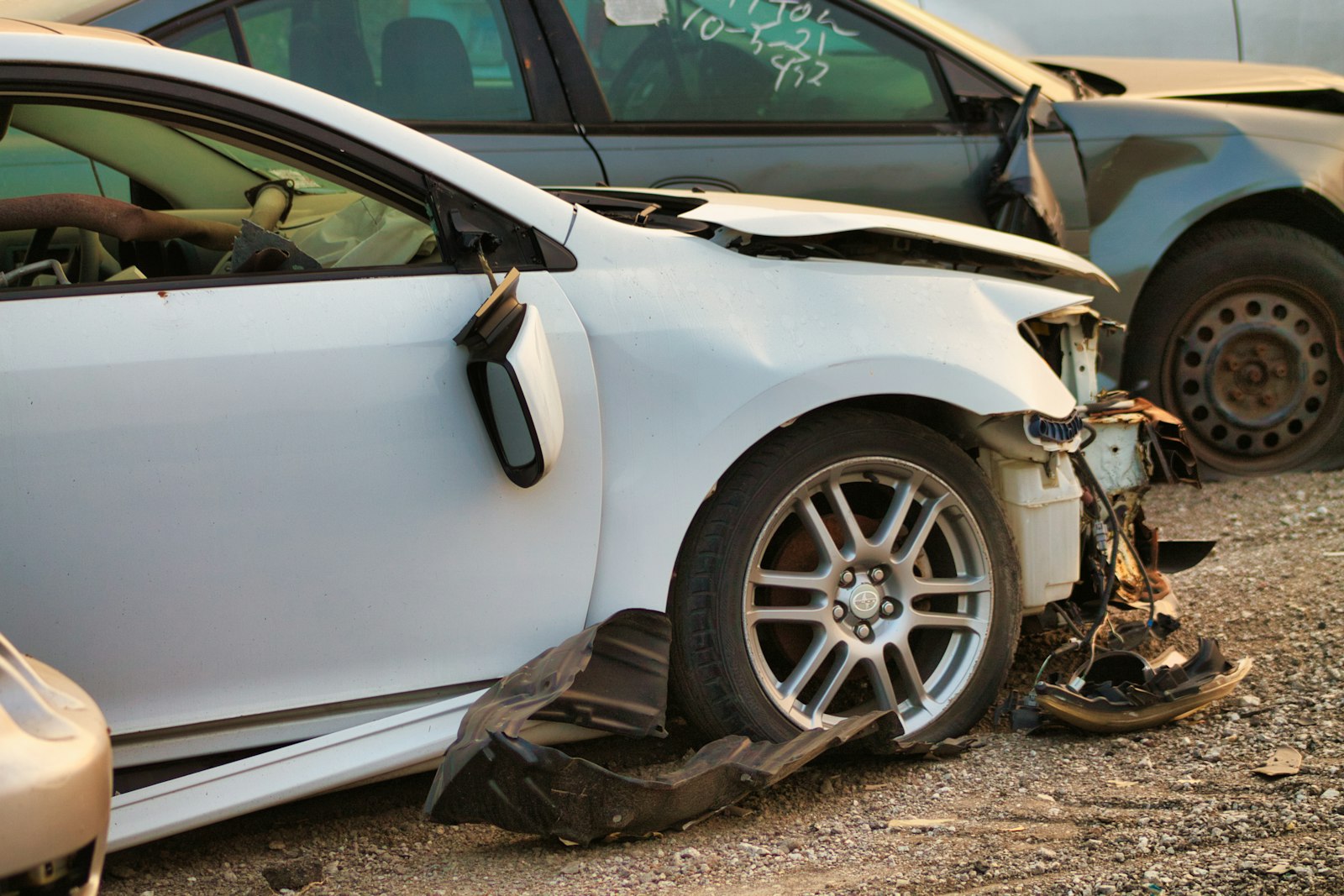
Every Virginia auto liability policy must include uninsured and underinsured motorist coverage, at least at the legal minimum limits. A named insured may reject amounts above that floor, and a $200 deductible can apply if a hit-and-run driver damages your vehicle.
What does UM/UIM actually pay?
For policies effective on or after January 1, 2025, those minimum limits are $50,000 per person, $100,000 per accident, and $25,000 for property damage. The coverage pays you if you are legally entitled to recover from a driver who has no insurance, has too little insurance, or, in many hit-and-run cases, cannot be identified. You cannot drop the coverage entirely.
Uninsured motorist coverage, often called UM, is for a crash caused by a driver with no liability insurance, or by a hit-and-run driver who cannot be identified. Underinsured motorist coverage, or UIM, is for a crash caused by a driver whose liability limits are not high enough to cover your damages and are not as high as the UM/UIM limits on your policy. Virginia law requires both, with UIM limits equal to the UM limits on the policy.
The Bureau of Insurance's auto consumer guide says the minimum amount of this coverage required by law is $50,000/$100,000/$25,000, matching the current liability floors. If you buy higher liability limits, the UM/UIM coverage generally equals those liability limits unless a named insured rejects the additional UM coverage in the manner set out in the Code, including the notice rules in § 38.2-2202. That rejection, if done correctly, binds all insureds on the policy.
If an unidentified hit-and-run driver damages your vehicle, the guide and the statute allow a $200 deductible on that property-damage claim. Keep a police report and photos. A "maybe I'll just handle it myself" decision can make the claim harder later.
UM/UIM is first-party coverage. It is there for you, your family, and other insureds under the policy, not as a substitute for the liability coverage that pays people you injure. Virginia is a contributory-negligence state, which can affect a liability claim against another driver. Talk with an attorney about how that doctrine applies to a particular crash. It does not change the fact that the policy must include UM/UIM.
How should you choose limits?
Matching your UM/UIM limits to your liability limits is the usual starting point, and it is the default the law describes unless you reject the extra coverage. If you only carry the $50,000/$100,000/$25,000 floor, that is also the floor for UM/UIM, unless you buy more.
A serious injury can exceed $50,000 quickly, especially if more than one person in your car is hurt. Higher UM/UIM limits cost extra, but they are often one of the more useful parts of the policy, because they respond when the other driver did not buy enough coverage, or any coverage at all.
When you shop, ask the agent to show:
- The UM/UIM limits on the quote, not only the liability limits.
- Whether anyone on the policy has signed a rejection of limits above the minimum.
- How a hit-and-run property-damage claim would be handled, including the $200 deductible.
- How UM/UIM would work if you are hit as a pedestrian or a passenger, subject to the policy terms.
Get the answers on the declarations page. A verbal "you're fully covered" is not a limit.
If you already have a policy, look at the form you signed when it was issued or last renewed. If you do not remember rejecting higher UM limits, ask the company for a copy of that selection. Raising the limits later is usually possible at renewal, and sometimes sooner.
If another driver is at fault and has a policy, you generally start by making a claim against that policy. UIM comes into play if those limits are used up before your damages are paid, and if your UIM limits are higher than the at-fault driver's liability limits. The details can be technical. Ask your company or a lawyer how stacking, multiple vehicles, and policy conditions apply in your situation. Do not assume a second policy in the household will automatically add more coverage.
After a crash, document the scene, exchange information, and notify both companies promptly. If the other driver has no insurance, or fled, call the police and your own insurer. Keep medical bills, repair estimates, and a diary of missed work. UM/UIM claims still have conditions and time limits in the policy.
FAQ
Can I decline uninsured motorist coverage in Virginia?
You cannot drop UM/UIM entirely on a liability policy. A named insured may reject additional UM coverage above the legal minimum, in the way the statute requires. That rejection binds everyone on the policy.
What is the difference between UM and UIM?
UM applies when the at-fault driver has no insurance, or is a hit-and-run driver who cannot be identified. UIM applies when that driver has insurance, but the limits are too low and are not as high as your UM/UIM limits.
Is there a deductible if a hit-and-run driver damages my car?
The Bureau's guide and the statute allow a $200 deductible on property damage caused by an unidentifiable owner or operator. Confirm the amount on your policy.
Should my UM/UIM limits match my liability limits?
That is the usual structure under Virginia law, unless you reject the additional UM coverage. Ask your agent to price matching higher limits rather than leaving UM at the legal floor while you raise liability.
Next step
Ask a licensed local agent to show your current UM/UIM limits, any rejection of higher coverage, and the cost of matching those limits to a higher liability quote. Bring your declarations page, and ask how a hit-and-run property-damage claim would be paid.
Sources: SCC Bureau of Insurance, Virginia Auto Insurance Consumer Guide (PDF); Code of Virginia § 38.2-2206, uninsured motorist insurance coverage; Code of Virginia § 46.2-472.
This is general information for Virginia. It is not a recommendation to buy, drop, or switch a specific policy. Confirm current details with the insurer or a licensed agent who knows your situation.
Agents who publish a lightly edited version on their own domain should set a canonical tag pointing to this URL.
List your business on the Virginia hub, free: Insurance