Flood Insurance Is Not in a Standard Virginia Homeowners Policy, and NFIP Coverage Usually Has a 30-Day Wait
James Brazil lives in Mérida, Mexico. He founded Swift Agent Sites and studied Classics at the University of Mississippi.
Published · Updated
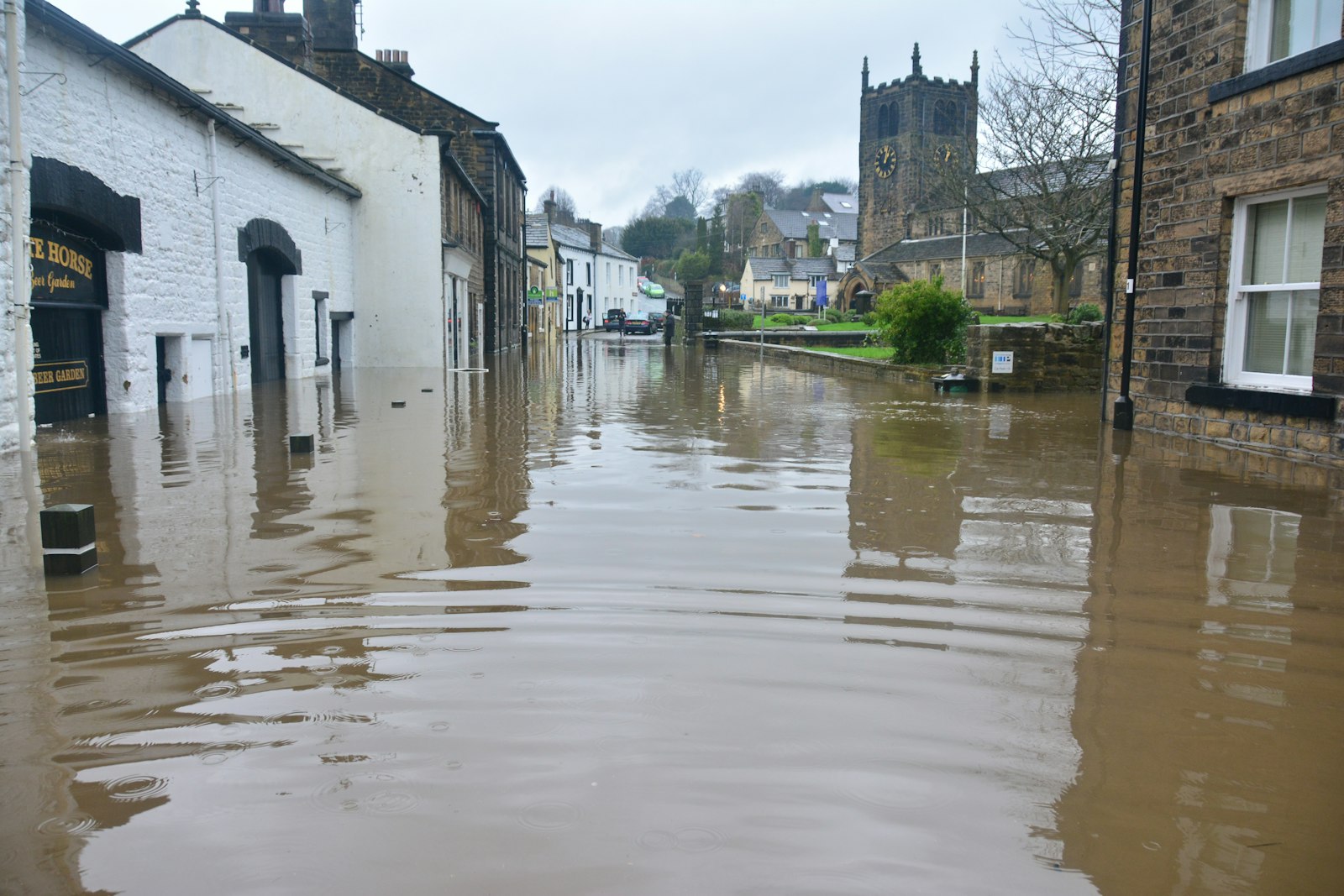
A standard homeowners or renters policy in Virginia does not pay for flood damage. NFIP coverage generally does not start until 30 days after you apply and pay, with limited exceptions, so do not wait for a storm warning to buy a policy.
Why "my homeowners policy will handle it" is the wrong assumption
Do not wait for a tropical storm warning over Hampton Roads, a river flood along the Shenandoah or another Virginia river, or a flash flood in a mountain hollow. Homeowners insurance is built around fire, wind, theft, and similar perils listed in the policy. Flood is a different peril. Water that comes from a rising creek, storm surge, a drained or overflowing drainage ditch, or heavy rain that covers the ground can be a flood even if you do not live on the ocean. FEMA and the NFIP use their own definition, which is broader than "beach house in a hurricane."
Virginia has coastal risk in Tidewater and along the Chesapeake Bay, river risk in the Piedmont and the valleys, and flash-flood risk in steep terrain. A house outside a mapped high-risk zone can still flood. Lenders typically require flood insurance if the property is in a high-risk Special Flood Hazard Area and you have a mortgage. If you own the house free and clear, or if it sits in a moderate- or low-risk zone, you can still buy coverage. A claim after an unmapped storm will not be paid by a standard homeowners policy just because "we never flooded before."
A residual or FAIR Plan dwelling policy from the Virginia Property Insurance Association is also not a flood policy unless flood is separately provided. Ask what is excluded before you rely on any property policy after a storm.
You can buy flood coverage through the NFIP, often from an insurance company or agent that participates in the program, or through a private flood policy. Compare waiting periods, deductibles, building and contents limits, and whether a basement or crawlspace is limited. NFIP building and contents coverage have separate limits. A renters policy does not cover the building, but you may still want contents coverage for your belongings.
The 30-day wait, maps, and how to buy
FEMA says NFIP coverage generally becomes effective 30 days after the date of application and payment. There are limited exceptions, including certain loan closings when flood insurance is required as a condition of the loan. Do not count on an exception unless your agent or the NFIP confirms it in writing for your purchase. A 30-day wait is why you should shop before hurricane season, not after the first named storm appears on a forecast.
Start with these official tools:
- FEMA's Flood Map Service Center, to see the current map for the property.
- FloodSmart.gov, to learn about NFIP coverage, limits, and the waiting period.
- Your local floodplain office, because some Virginia localities have additional rules for building in a floodplain.
If you are buying a house, Virginia's residential property disclosure process includes a Flood Risk Information Form in the set of materials the Real Estate Board publishes. Read it, and still do your own map check and insurance quotes. A disclosure is not a flood policy.
Ask your agent to quote flood coverage at the same time as the homeowners policy, and to say clearly whether the quote is NFIP or private. If a lender is involved, ask the loan officer how much coverage the lender requires, and whether you can buy more than that minimum on the building and on contents. Photograph belongings and keep an inventory off-site or in the cloud.
If you rent, a landlord's building policy does not replace your contents. Ask about an NFIP dwelling policy if you own, or contents coverage if you rent. If you already have an NFIP policy, review it at renewal. Maps change. Elevations and prior claims can affect the premium. If you sell the house, ask how an NFIP policy can be assigned, so the buyer is not left in the 30-day wait if they need coverage at closing.
FAQ
Does a standard Virginia homeowners policy cover flood?
No. Flood is a separate peril. You need an NFIP policy or a private flood policy if you want that coverage.
How long do I have to wait after I buy an NFIP policy?
Coverage generally starts 30 days after you apply and pay. Limited exceptions can apply, including some situations where flood insurance is required at loan closing. Confirm any exception in writing.
I am not in a mapped high-risk zone. Do I still need flood insurance?
You might. Properties outside high-risk zones can still flood, and a standard homeowners policy still will not pay a flood claim. A lender may not require a policy in a lower-risk zone, but that is not the same as having no flood risk.
Does the Virginia Property Insurance Association include flood?
Do not assume that it does. VPIA is the residual market for basic property insurance. Ask what perils are on the policy, and buy flood coverage separately if you need it.
Next step
Ask a licensed local agent to quote a flood policy now, and to explain the waiting period, deductibles, and building versus contents limits. Check the FEMA map for your address, and do not wait for a storm warning.
Sources: FloodSmart, National Flood Insurance Program; FEMA Flood Map Service Center; Virginia Property Insurance Association; DPOR, residential property disclosures.
This is general information for Virginia. It is not a recommendation to buy, drop, or switch a specific policy. Confirm current details with the insurer or a licensed agent who knows your situation.
Agents who publish a lightly edited version on their own domain should set a canonical tag pointing to this URL.
List your business on the Virginia hub, free: Insurance