New York Transfer Tax and Mansion Tax: Who Pays
James Brazil lives in Mérida, Mexico. He founded Swift Agent Sites and studied Classics at the University of Mississippi.
Published · Updated
Real estate for buyers · Real estate for sellers
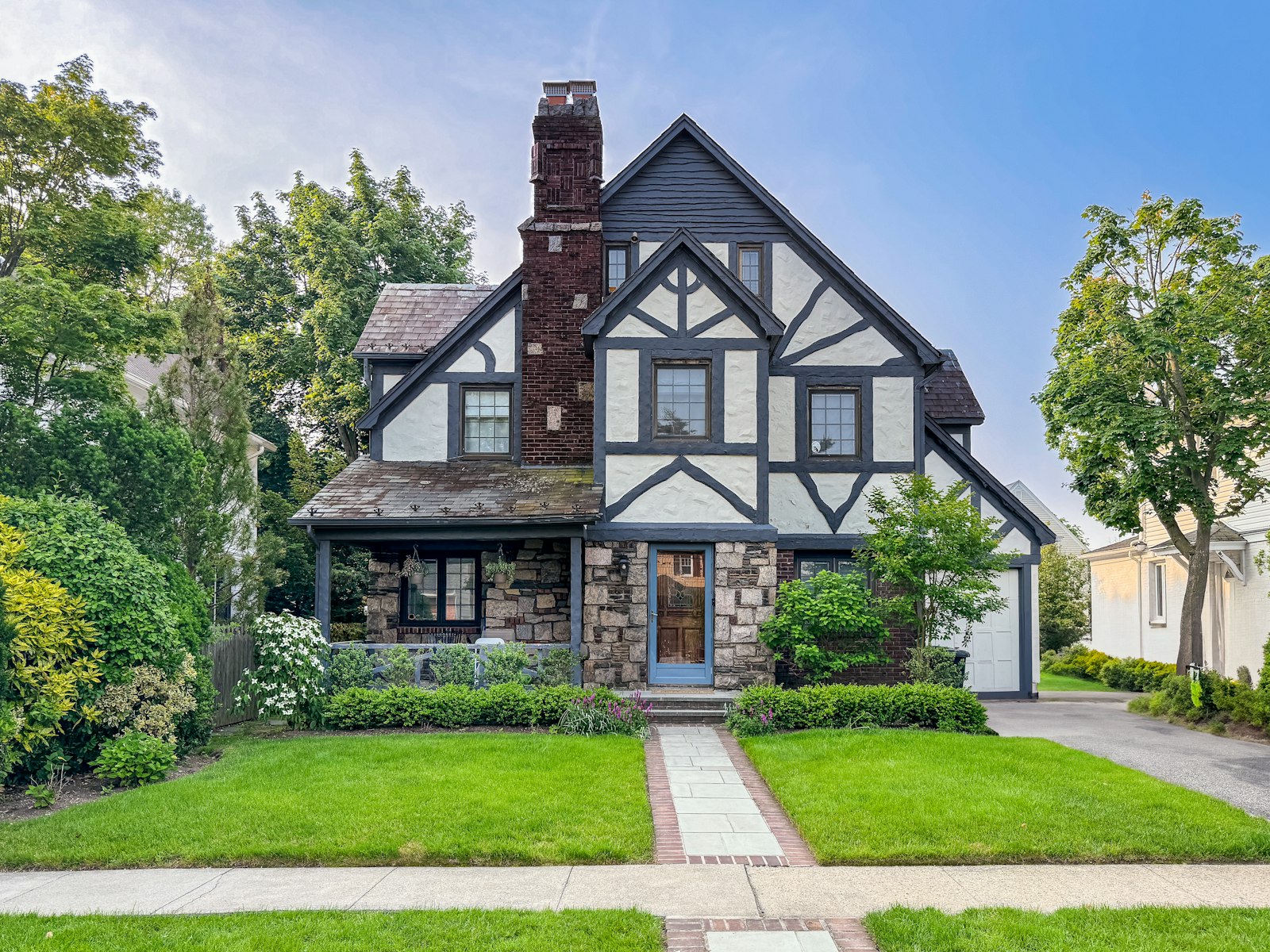
New York State charges a real estate transfer tax of $2 for every $500 of the sale price, which works out to 0.4%, and the seller usually pays it. Buyers of homes that sell for $1 million or more also owe the "mansion tax," an extra 1% of the price. New York City adds its own taxes on top.
These numbers come straight from the state Tax Department. They land at closing, so it helps to know who's on the hook before you agree on a price.
How is the New York transfer tax calculated?
The state taxes deeds and other conveyances of real property when the price is over $500. The rate is $2 for each $500, or part of $500, of the consideration.
Simple math, not a quote:
- $300,000 sale: $1,200
- $450,000 sale: $1,800
- $800,000 sale: $3,200
Who pays the transfer tax?
The seller, by default. The Tax Department says the base tax is paid by the grantor (seller) and can't be passed to the buyer unless the contract says so.
A few twists:
- If the seller doesn't pay, or is exempt, the buyer has to pay it. The tax then becomes the joint responsibility of both, and the buyer can go after the seller for it
- If a buyer agrees in the contract to pay the transfer tax on a home sale, that amount is left out of the price the tax is figured on
So the contract matters. If a deal shifts the seller's transfer tax to you, it'll be in writing. Read that clause.
What is the New York mansion tax?
It's an extra 1% of the full sale price on a residence when the price is $1 million or more. The Tax Department calls it the "additional tax."
The buyer pays it. If the buyer doesn't pay or is exempt, the seller has to.
Because it's 1% of the whole price, crossing the line costs you:
- $999,999 home: no mansion tax
- $1,000,000 home: $10,000
- $1,250,000 home: $12,500
That cliff is worth watching when an offer lands near $1 million. On Long Island it's not a rare price point. Our New York housing market update shows September 2026 medians of $830,000 in Nassau and $725,000 in Suffolk.
Are there extra taxes in New York City?
Yes. Since July 1, 2019, the state adds two taxes on certain New York City sales:
- Additional base tax. $1.25 per $500 when a residential sale is $3 million or more ($2 million or more for non-residential property). Paid by the seller
- Supplemental tax. For residential sales of $2 million or more, an incremental rate from 0.25% up to 2.9% depending on the price. Paid by the buyer. The exact brackets are in the instructions for Form TP-584-NYC
That supplemental tax is what people mean by the NYC "mansion tax" scale. It works alongside the 1% state mansion tax.
The city also has its own Real Property Transfer Tax (RPTT), run by the NYC Department of Finance. It applies to sales over $25,000, and it covers transfers of co-op shares too. Check the Department of Finance site for current RPTT rates before you budget.
What forms get filed?
Your closing attorney usually handles this, but it helps to know the names:
- Form TP-584 for property outside New York City, filed with the county clerk
- Form TP-584-NYC for every conveyance in New York City
- Form NYC-RPT for the city's Real Property Transfer Tax
The state return and payment are due no later than the 15th day after the deed is delivered.
Do LLCs or out-of-state sellers have extra steps?
Both do.
When an LLC buys or sells a building with up to four homes, the state won't accept the transfer tax form unless it comes with the names and addresses of every member, manager, and authorized person. If a member is another business entity, you keep listing owners until you reach actual people.
Nonresident sellers have to figure their gain on the sale and pay estimated New York income tax at closing, unless an exemption on the TP-584 applies. The forms are IT-2663 for real property and IT-2664 for co-op units.
What else costs money at a New York closing?
Transfer taxes are only one line. Depending on the deal, buyers and sellers may also see:
- Attorney fees
- Title insurance and recording fees
- Mortgage-related costs for the buyer
- Prorated property taxes and school taxes
On the school tax side, new owners should register for the STAR credit soon after closing. See New York STAR credit: how much and how to register.
Sellers have one more piece of paper to handle before any of this: the Property Condition Disclosure Statement, which has to reach the buyer before the contract is signed.
FAQ
Who pays the transfer tax in New York?
The seller pays the state's base transfer tax unless the contract says otherwise. If the seller doesn't pay or is exempt, the buyer must.
What is the New York mansion tax rate?
1% of the full price on residential sales of $1 million or more, paid by the buyer.
How much is the New York State transfer tax on a $500,000 home?
$2,000, at $2 per $500 of the price.
Is there an extra NYC transfer tax?
Yes. New York City has its own Real Property Transfer Tax, and the state adds an additional base tax and a supplemental tax on higher-priced NYC sales.
Next step
A licensed local real estate agent can estimate your closing costs with your attorney, including transfer and mansion taxes, before you set a price or make an offer. For exact figures, your closing attorney will prepare the TP-584. More guides are on the New York real estate page.
Sources: NYS Tax Department: Real estate transfer tax, NYC Department of Finance: Real Property Transfer Tax.
Before you hire: New York has 113,738 active real estate licenses, from the New York Department of State's file as of 2 November 2026. Check any agent's license free.
General information for New York. Not a prediction of prices or advice for any specific property. Confirm current rules and local conditions with the local assessor and a licensed agent.
Agents who publish a lightly edited version on their own domain should set a canonical tag pointing to this URL.
List your business on the New York hub, free: Real estate