Selling a Massachusetts Home With a Septic System: The Title 5 Inspection
James Brazil lives in Mérida, Mexico. He founded Swift Agent Sites and studied Classics at the University of Mississippi.
Published · Updated
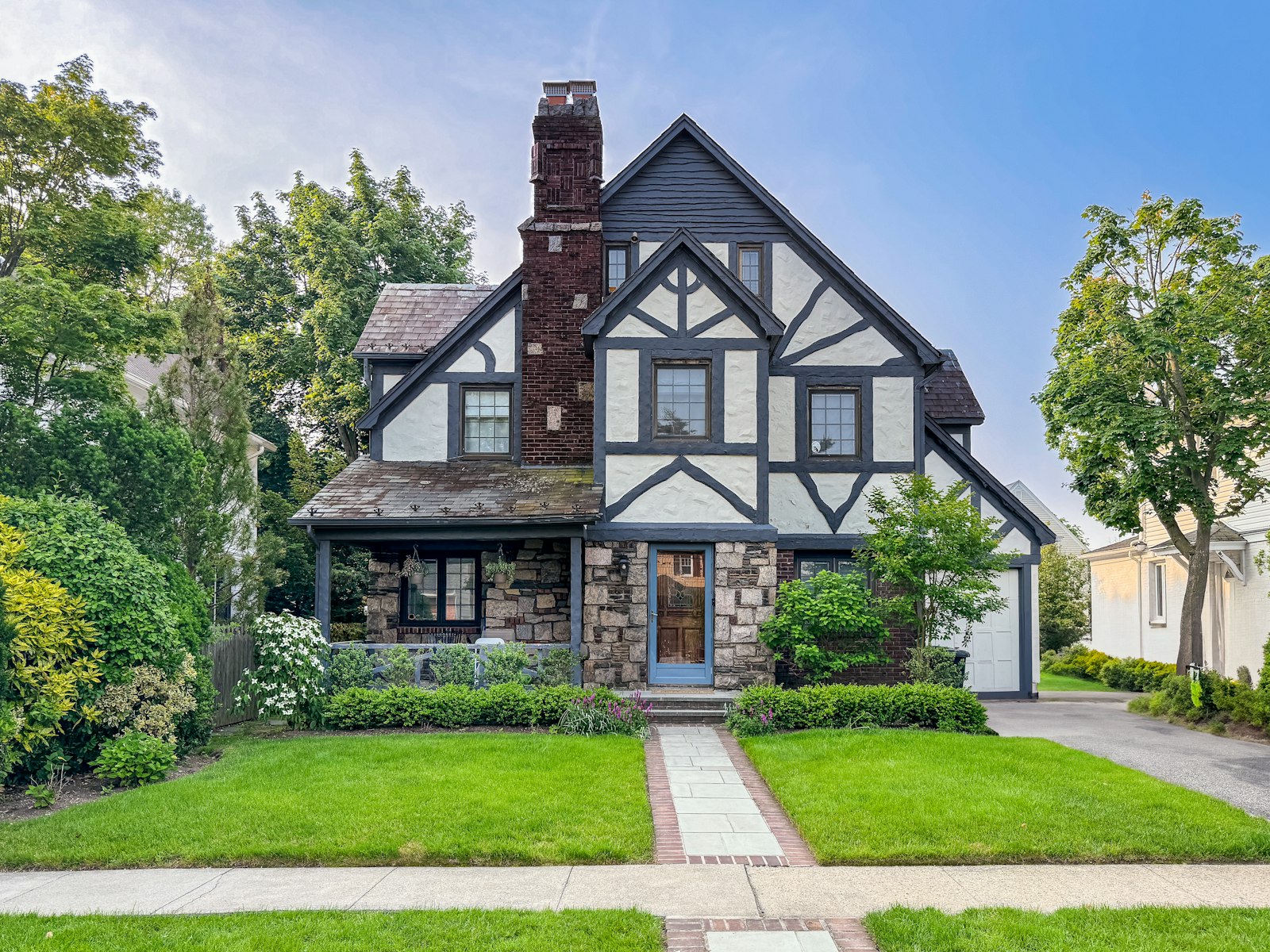
If your Massachusetts home is on a private septic system, the sale usually needs a Title 5 inspection. MassDEP says the inspection must take place within two years before the sale. If weather prevents it, the inspection can be done up to six months after the sale, as long as the seller tells the buyer in writing.
Title 5 is the state's septic code, 310 CMR 15.000. The inspection rules for property transfers are in 310 CMR 15.300 to 15.305. Your local Board of Health enforces them, and some towns add stricter local rules, so check with the board in the town where the house sits.
When does a sale need a Title 5 inspection?
According to MassDEP's guide for buyers and sellers, an inspection is required:
- Within 2 years before a sale, or up to 6 months after if weather prevents an inspection beforehand
- When a property is divided, or two or more properties are combined
- When a change to the home needs a building or occupancy permit, such as adding a bedroom
- When MassDEP or the local Board of Health orders one
An inspection done for a sale is generally good for two years. If the system has been pumped at least once a year and the pumping records are available, the inspection stays valid for three years. If the same house sells more than once within the window, one inspection covers each transfer.
A new or upgraded system that received a Certificate of Compliance from the Board of Health does not need an inspection for a transfer within the next two years, or three years if it was pumped during the third year.
Which transfers are exempt?
MassDEP lists transfers that do not need a Title 5 inspection, including:
- Transfers of residential property between current spouses, between parents and their children, or between full siblings
- Certain transfers where the property is held in a trust (MassDEP has a separate exemption guidance document)
- Refinancing a mortgage, or taking out a new mortgage
- Appointing or changing a guardian, conservator or trustee
- Changes in the form of ownership where no new parties are added, for example for estate planning or in a divorce
- Cases where the owner or buyer has signed an enforceable agreement with the Board of Health to upgrade the system or connect to sewer within two years after the transfer
Condominiums follow their own schedule. Condos with five or more units must have all systems inspected every three years. Smaller condos either inspect every three years or inspect the system serving the unit within two years before it is sold.
A sale of a family home to an unrelated buyer is not covered by the family exemption, even if the house was inherited. If you are selling an estate property, see our guide to selling a longtime family home or estate property in Massachusetts.
Who does the inspection and who sees the report?
The property owner is responsible for arranging the inspection. Buyer and seller can shift that job to the buyer, but the change must be in writing and the inspection still has to happen within the required time.
Only MassDEP-approved System Inspectors can do a Title 5 inspection. The New England Interstate Water Pollution Control Commission (NEIWPCC) keeps the list of approved inspectors. An inspection by anyone else does not count.
The inspector must use the MassDEP-approved form and submit the report within 30 days of the inspection, usually straight to the Board of Health. The buyer must also get a copy from the seller.
MassDEP is clear about what the inspection is and is not. It checks whether the system, as it is that day, protects public health and the environment. It does not guarantee the system will keep working, especially if the next owner adds bedrooms or more people.
What if the system fails?
Some problems can get a "conditional pass," meaning the system passes once a specific part is repaired or replaced with Board of Health approval. MassDEP's examples include a metal or cracked septic tank, a broken or blocked pipe, an uneven distribution box and a malfunctioning pump chamber. Soil absorption systems and cesspools cannot be repaired under a conditional pass.
A failed system must be upgraded within two years unless the Board of Health or MassDEP sets a different schedule. That duty stays with the owner even if the sale falls through.
Who pays for the repair, and whether the price changes, is a negotiation between buyer and seller, written into the Purchase and Sale Agreement. Our piece on the Offer to Purchase and Purchase and Sale Agreement covers how those terms usually get set.
Is there help paying for a septic repair?
Two state programs are worth knowing about:
- Septic Repair Loan Program. MassHousing, with MassDEP and community lenders, offers low- and no-interest loans of up to $25,000 to owner-occupants of 1- to 4-family homes, including condos, who meet income limits. MassHousing lists maximum incomes of $69,500 for its deferred loan and $139,000 for its amortized loan, and the project must be finished within six months of closing.
- Septic system repair tax credit. The state budget office describes a personal income tax credit for owners required to repair or replace a failed cesspool or septic system under Title 5. Since January 1, 2023 it equals 60% of design and construction costs, up to $4,000 per tax year and $18,000 in total. Ask a tax professional how it applies to you.
FAQ
How long is a Title 5 inspection good for?
Generally two years before a sale. MassDEP says it stays valid for three years if the system was pumped at least once a year and the report includes those pumping records.
Can the inspection happen after closing?
Only if weather conditions prevent it before the sale. Then it can be done up to six months after, provided the seller notifies the buyer in writing.
Do I need an inspection if I transfer the house to my children?
MassDEP lists transfers between parents and their children as exempt for residential property. Sales to anyone outside the listed relationships generally are not exempt.
Can my home inspector do the Title 5 inspection?
Only if that person is also a MassDEP-approved System Inspector. A general home inspection does not satisfy Title 5.
What if the report looks altered or false?
MassDEP says to contact your regional MassDEP office about inspection results. For a report that appears falsified, it lists the Massachusetts Environmental Strike Force at 1-888-VIOLATE (1-888-846-5283).
Next step
A licensed local real estate agent can help you time the Title 5 inspection with your listing date, gather pumping records, and plan for repair negotiations before a buyer's offer arrives. Call your town's Board of Health early to ask about any local rules on top of Title 5.
Sources: MassDEP: Buying or Selling Property with a Septic System, MassDEP: Guidance on Exemptions from Title 5 System Inspections (PDF), MassHousing: Septic Repair Loan Program, Massachusetts tax expenditure budget: Septic System Repair Credit, 310 CMR 15.300-15.305.
General information for Massachusetts. Not legal advice, a prediction of prices or advice for any specific property. Confirm current rules with your town, a real estate attorney and a licensed agent.
Agents who publish a lightly edited version on their own domain should set a canonical tag pointing to this URL.
Agents serving this area
Lyn Robinson — Lyn Robinson Real Estate, LLC
Massachusetts real estate broker, REALTOR and real estate instructor based in Blackstone, and a Seniors Real Estate Specialist (SRES). Serving Blackstone, Bellingham, Milford, Franklin, Uxbridge and nearby towns.