Selling a Massachusetts Home? Get the Smoke and CO Alarm Certificate
James Brazil lives in Mérida, Mexico. He founded Swift Agent Sites and studied Classics at the University of Mississippi.
Published · Updated
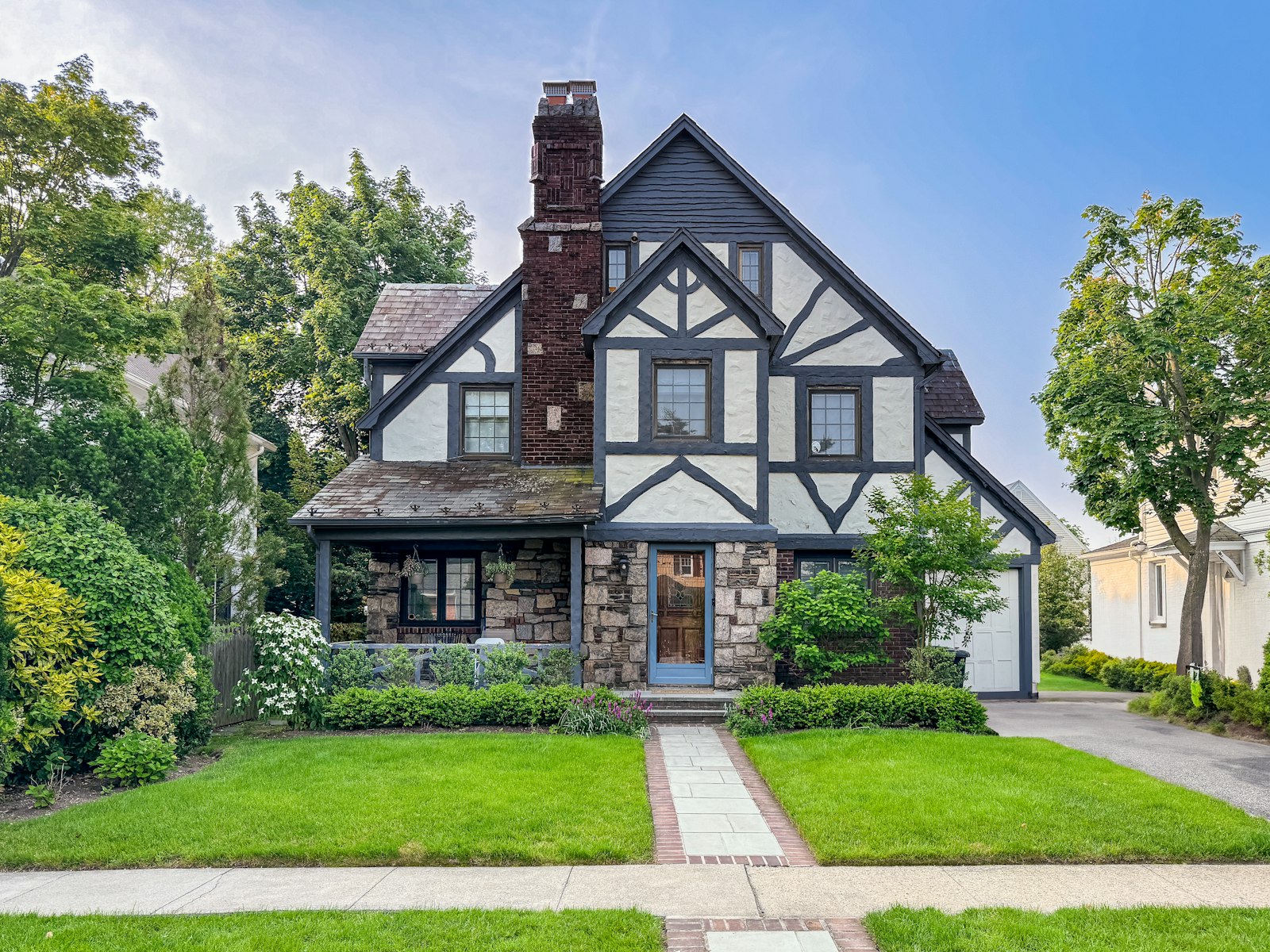
When you sell a home in Massachusetts, the local fire department inspects the smoke and carbon monoxide (CO) alarms. If they pass, the department issues a certificate of compliance. The Department of Fire Services (DFS) tells sellers to call the fire department to schedule the inspection as soon as they have a closing date.
The rules come from two sections of state law: M.G.L. c. 148, Section 26F for smoke alarms and Section 26F½ for carbon monoxide alarms. What your house needs depends mostly on when it was built and when its last major building permit was issued.
What does the law require?
Section 26F says residential buildings covered by it must, on sale or transfer, be equipped by the seller with approved smoke detectors, and the head of the fire department enforces it. Section 26F½ says every dwelling occupied for residential purposes must, on sale or transfer, be inspected by the head of the fire department for carbon monoxide alarm compliance.
The DFS guide for one- and two-family homes adds context. The smoke alarm transfer law applies to homes built or modified before the State Building Code took effect on January 1, 1975. For later homes, the date of the building permit decides which building code requirements apply. DFS also notes that most purchase and sale agreements, and many mortgage lenders, require a certificate from the fire department even for homes permitted after 1975.
Smoke and CO inspections can happen in the same visit.
What do inspectors look for?
Requirements vary by the age of the home. For a typical one- or two-family home built before January 1, 1975, the DFS guide lists:
- Smoke alarms on every habitable level, in the basement, on the ceiling at the base of each stairway leading to a floor above, and on the ceiling outside each separate sleeping area
- Smoke alarms that are photoelectric (they may be combined with ionization or CO)
- Smoke alarms no more than 10 years old, and not past the manufacturer's recommended life
- CO alarms on every level, including habitable parts of basements and attics, within 10 feet of each bedroom door
Homes permitted between 1975 and August 27, 1997, and after that date, have their own requirements, including hardwired, interconnected smoke alarms. Read the section of the DFS guide that matches your home's permit date.
Since March 31, 2006, CO alarms have been required in all residences with fossil fuel burning equipment or an attached enclosed garage, whether or not the home is being sold. DFS gives gas water heaters, oil or gas furnaces, fireplaces, pellet stoves, gas dryers and gas stoves as examples.
How do I prepare for the inspection?
DFS walks sellers through these steps:
- Find out when the home was built and when the last building permit for renovations was issued. Your building department can tell you.
- Match those dates to the requirements in the DFS guide.
- List every smoke and CO alarm in the house and check its date of manufacture. DFS says an alarm with no date has expired and must be replaced.
- Replace anything that does not meet the requirements. You may need an electrician for hardwired alarms.
- Test the new alarms once installed.
Battery-powered smoke alarms that are more than 10 years old or expired must be replaced with photoelectric alarms that have 10-year sealed, non-rechargeable, non-replaceable batteries and a hush feature.
The fire department charges a fee for the inspection and certificate. Fees and scheduling vary by town, so call your local department.
Where does this fit in the sale?
The alarm certificate is one of several items Massachusetts sellers line up before closing. If the home has a septic system, plan for the Title 5 inspection. If it was built before 1978, the buyer must get the Property Transfer Lead Paint Notification before signing the Purchase and Sale Agreement.
Older homes often need several new alarms to meet current rules. Checking dates a few weeks before the inspection gives you time to buy and install alarms without delaying closing.
FAQ
Who issues the smoke and CO certificate?
The local fire department, after its inspection. DFS calls it a certificate of compliance.
When should I schedule the inspection?
DFS says to call the fire department as soon as you have a closing date. Some towns will not book until the date is set.
Does a home built after 1975 still need a certificate?
The CO inspection applies to every residential sale under Section 26F½. For smoke alarms, DFS says most purchase and sale agreements and many lenders require a certificate even for newer homes.
Can I install the alarms myself?
Yes, DFS says you can buy and install them yourself or hire someone. Replacing hardwired alarms may need an electrician.
How much does the inspection cost?
Each fire department sets its own fee. Call yours for the current amount.
Next step
A licensed local real estate agent can help you put the alarm inspection on the same calendar as your closing and other seller items. For questions about what your specific home needs, DFS points sellers to their local fire department.
Sources: DFS: Preparing Your Home for a Smoke and CO Alarm Inspection, DFS: Guide to Massachusetts Smoke and Carbon Monoxide Requirements When Selling a One- or Two-Family Residence (PDF), M.G.L. c. 148, Section 26F, M.G.L. c. 148, Section 26F½.
General information for Massachusetts. Not legal advice, a prediction of prices or advice for any specific property. Confirm current rules with your town, a real estate attorney and a licensed agent.
Agents who publish a lightly edited version on their own domain should set a canonical tag pointing to this URL.
Agents serving this area
Lyn Robinson — Lyn Robinson Real Estate, LLC
Massachusetts real estate broker, REALTOR and real estate instructor based in Blackstone, and a Seniors Real Estate Specialist (SRES). Serving Blackstone, Bellingham, Milford, Franklin, Uxbridge and nearby towns.