Massachusetts Seller Disclosure: What Sellers Must Tell Buyers
James Brazil lives in Mérida, Mexico. He founded Swift Agent Sites and studied Classics at the University of Mississippi.
Published · Updated
Real estate for buyers · Real estate for sellers
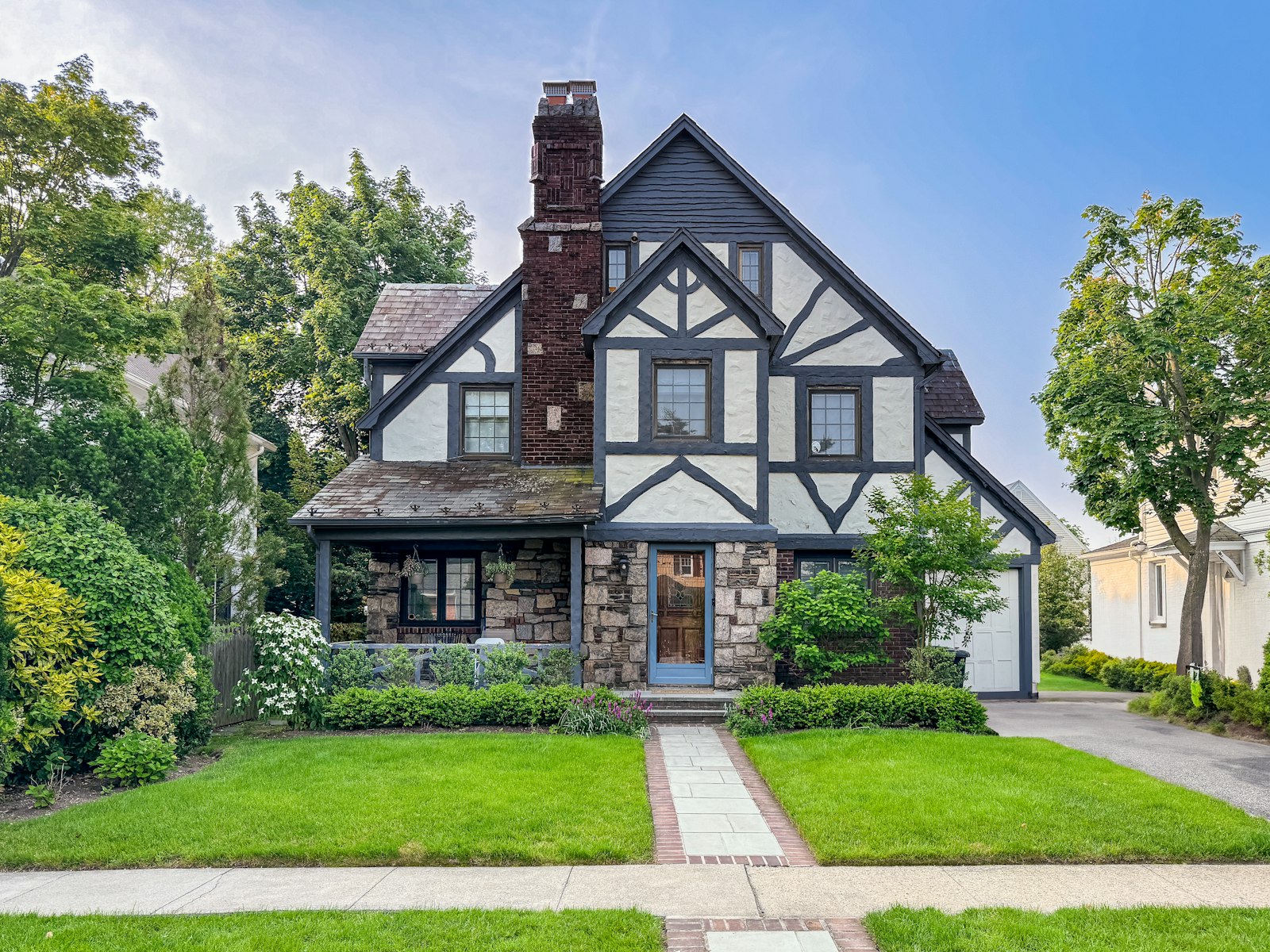
Massachusetts does not have a mandatory statewide seller disclosure form. Home sales here generally follow caveat emptor, or "buyer beware," as the Massachusetts Association of REALTORS® (MAR) legal hotline puts it. That does not mean sellers can say nothing. Several specific disclosures are required, real estate agents must disclose known material defects, and nobody is allowed to lie.
For sellers, the practical rule is simple: what you choose to say must be true. For buyers, the lesson is that a quiet seller is not a promise that the house is sound. Your own inspections do the heavy lifting.
What disclosures does Massachusetts require?
Even without a general form, these items come up in most sales:
- Lead paint. For a home built before 1978, sellers and agents must give the buyer the Property Transfer Lead Paint Notification before the buyer signs a Purchase and Sale Agreement, share any lead inspection reports or letters of compliance or interim control, and tell the buyer anything they know about lead in the home. This comes from M.G.L. c. 111, Section 197A and federal law. Details are in our lead paint law guide.
- Septic. If the home has a private septic system, the buyer must receive a copy of the Title 5 inspection report from the seller. See the Title 5 inspection guide.
- Smoke and CO alarms. Not a disclosure, but a required certificate from the local fire department. See the smoke and CO certificate guide.
What must real estate agents disclose?
Agents carry a stronger duty than sellers. The Board of Registration of Real Estate Brokers and Salespersons' rules at 254 CMR 3.00 say a licensee has an affirmative obligation to disclose known material defects in real property. That applies even to a facilitator who represents neither side.
The Attorney General's consumer protection rule at 940 CMR 3.16(2), issued under Chapter 93A, treats it as unfair or deceptive for a covered party to fail to disclose any fact that may have influenced the buyer not to enter the transaction. Chapter 93A reaches people acting in trade or commerce, which includes real estate businesses. Whether it reaches a particular private seller is a question for a Massachusetts attorney.
What are sellers not required to disclose?
M.G.L. c. 93, Section 114 says the fact or suspicion that a property is "psychologically impacted" is not a material fact that must be disclosed. The statute's examples include a property being the site of a felony, suicide or homicide, an alleged supernatural event, or an occupant with HIV or another disease highly unlikely to spread through living in a home.
The same section says it does not authorize a seller or agent to make a misrepresentation of fact or a false statement. If a buyer asks a direct question, the answer still has to be honest.
What should sellers do?
Many sellers fill out a voluntary condition statement offered by their agent's brokerage or association. If you do, answer carefully. MAR's hotline notes that information a seller provides, on a form or in answer to direct questions, must be accurate.
- Gather repair records, permits and warranties before you list.
- If you are unsure of something, say you do not know rather than guessing.
- Tell your agent about known defects. Remember the agent has a duty to disclose known material defects.
- Check the state's Lead Safe Homes database for your address if the home was built before 1978.
What should buyers do?
Treat seller statements as a starting point. In Massachusetts, the buyer's protection comes mostly from inspections and the contract:
- Hire a licensed home inspector. Under M.G.L. c. 112, Section 222, anyone doing home inspections for pay must be licensed and provide a written report. You can check a license with the state's professional license lookup.
- For a pre-1978 home, decide whether to use your right to a lead inspection. Most home inspectors are not licensed lead inspectors.
- Read the Title 5 report if the home is on septic.
- Ask direct questions in writing about water, roof, heating and past repairs.
- Have the inspection and other contingencies written into the Offer and the Purchase and Sale Agreement. See Offer to Purchase vs Purchase and Sale Agreement.
FAQ
Is there a required seller disclosure form in Massachusetts?
No statewide form is required for a typical home sale. Specific notices still apply, most importantly the Property Transfer Lead Paint Notification for homes built before 1978.
Can a Massachusetts seller lie about a defect if no form is required?
No. M.G.L. c. 93, Section 114 states that it does not authorize misrepresentations or false statements, and consumer protection and fraud law still apply. Answers a seller chooses to give must be true.
Does the listing agent have to tell me about problems?
Under 254 CMR 3.00, real estate licensees have an affirmative obligation to disclose known material defects in the property.
Does a seller have to say someone died in the house?
Massachusetts law says a property being the site of a felony, suicide or homicide is not a material fact that must be disclosed. A seller or agent still cannot give a false answer.
Is a home inspection required?
No, but it is the buyer's main protection under caveat emptor. Anyone paid to do home inspections in Massachusetts must be licensed.
Next step
A licensed local real estate agent can walk sellers through what to gather and disclose before listing, and help buyers set inspection deadlines in the offer. For questions about legal liability in a specific deal, talk with a Massachusetts real estate attorney.
Sources: MAR: Notes From the Legal Hotline, March 2024, 254 CMR 3.00 (PDF), M.G.L. c. 93, Section 114, M.G.L. c. 111, Section 197A, DPH: Property Transfer Lead Paint Notification, MassDEP: Buying or Selling Property with a Septic System, M.G.L. c. 112, Section 222, 940 CMR 3.16.
General information for Massachusetts. Not legal advice, a prediction of prices or advice for any specific property. Confirm current rules with your town, a real estate attorney and a licensed agent.
Agents who publish a lightly edited version on their own domain should set a canonical tag pointing to this URL.
Agents serving this area
Lyn Robinson — Lyn Robinson Real Estate, LLC
Massachusetts real estate broker, REALTOR and real estate instructor based in Blackstone, and a Seniors Real Estate Specialist (SRES). Serving Blackstone, Bellingham, Milford, Franklin, Uxbridge and nearby towns.