Indiana Disabled Veteran Property Tax Break: Apply by Jan. 15
James Brazil lives in Mérida, Mexico. He founded Swift Agent Sites and studied Classics at the University of Mississippi.
Published · Updated
Real estate for buyers · Real estate for sellers
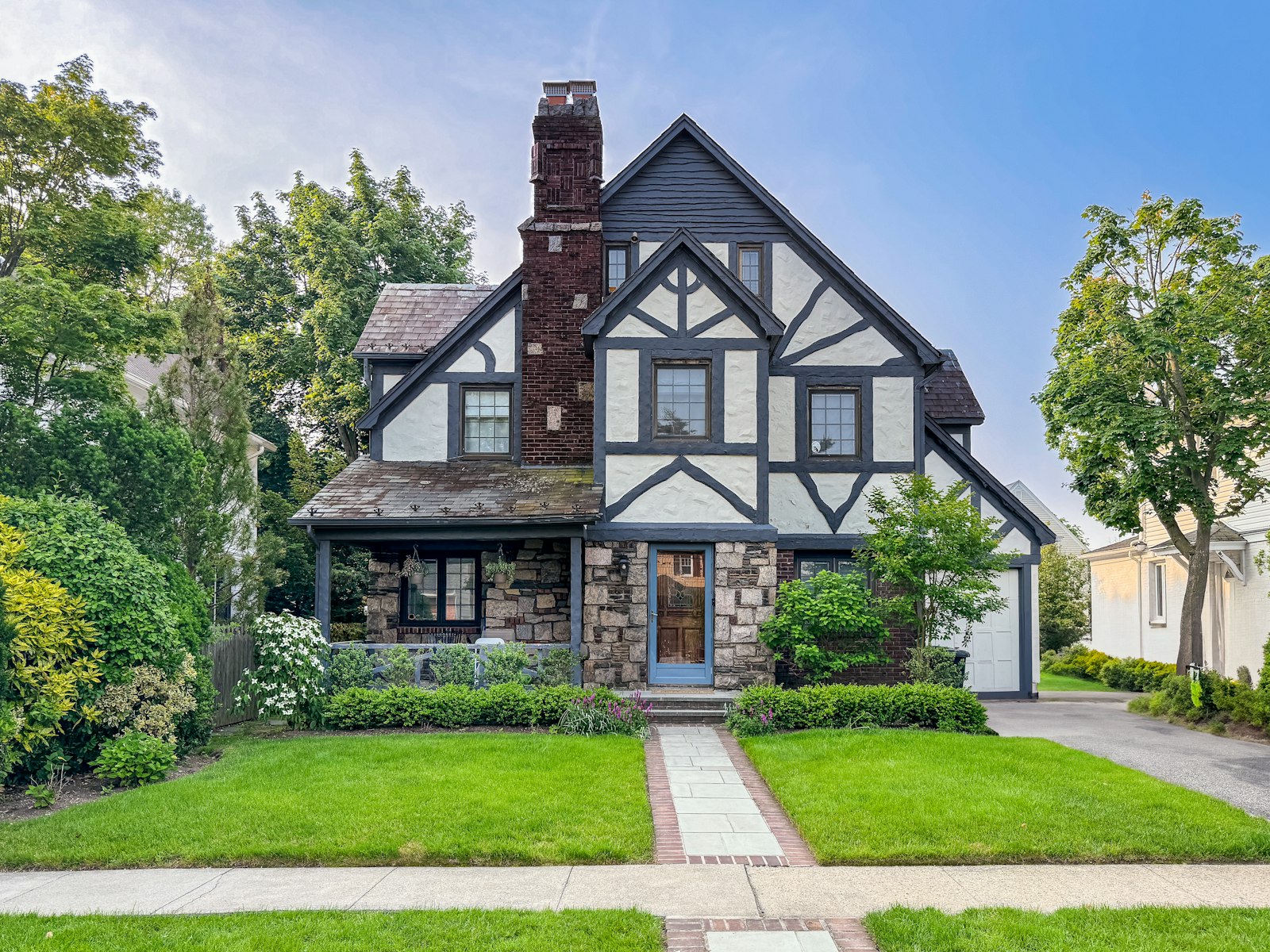
If you're a totally disabled veteran who owns and lives in an Indiana home, a 2026 law can now wipe out the assessed value of that home for property tax purposes. The catch is paperwork. You need a new application on file with your county auditor by January 15, 2027, even if you got the old veterans deduction for years.
Partially disabled veterans have new options too, in the form of $250 and $350 credits. Here's how the pieces fit together.
What changed for Indiana veterans in 2026?
House Enrolled Act 1210 rewrote the veterans property tax rules starting with the 2026 assessment, which is the tax bill you'll pay in 2027. According to the Department of Local Government Finance (DLGF) FAQ on the new veterans deductions and credits, the big changes are:
- Totally disabled veterans get a deduction equal to 100% of the assessed value of their principal residence. The old $240,000 assessed value limit is gone.
- Wartime veterans with a service-connected disability of 10% or more can get a $350 credit.
- Veterans 62 or older with a disability of 10% or more can get a $250 credit.
On November 16, Gov. Mike Braun and Indiana Department of Veterans Affairs Director Jake Adams released a video urging veterans to apply before the deadline. The state's announcement says the law extends credits to more than 50,000 additional veterans and surviving spouses.
Who qualifies for the 100% deduction?
DLGF and the Marion County Auditor list the same core requirements:
- At least 90 days of service and an honorable discharge.
- A total disability, shown by a VA pension certificate, an award of compensation, or a certificate of eligibility from the Indiana Department of Veterans Affairs.
- At least one year of Indiana residency before the assessment date you're claiming.
- The home has to be your principal place of residence.
One detail surprises people. DLGF says the statute doesn't require the total disability to be service-connected. The $350 credit is different and does require a service-connected rating.
Ownership matters, too. The 100% deduction isn't available for a home held in a trust, and Marion County says homes in a trust or LLC don't qualify. If your house sits in a revocable trust for estate planning, talk to whoever set it up before January.
How much of the property does it cover?
The deduction applies to the home you live in and the land used with it. DLGF treats the dwelling, up to one acre of surrounding land, and qualifying residential improvements as presumed to be part of the residence. Land beyond that isn't automatically excluded, but it has to be part of and used with the home.
It also won't erase every line on your bill. DLGF notes the deduction doesn't remove charges that aren't based on assessed value, and any assessed value that doesn't qualify stays taxable.
I had the old veterans deduction. Do I have to refile?
Yes, if you want the 100% deduction. This is the step most likely to cost someone money.
For the 2026 pay 2027 year only, DLGF says county auditors must not carry the old deduction forward. Instead they automatically switch those veterans to the $250 credit. To move from that $250 credit to the full deduction, you have to file a new application. Marion County puts it bluntly: totally disabled veterans must reapply even if they were approved in the past.
Veterans who had the old $24,960 deduction for a service-connected disability are in a grayer spot. The statute requires an application for the new $350 credit, and DLGF only recommends that counties move those taxpayers over automatically. Call your county auditor and confirm what's on file. Don't assume.
Can I stack the deduction and the credits?
Partly. A veteran can receive both the $350 and the $250 credit, which Marion County notes can total $600, along with other local credits like the over-65 credit.
What you can't do is combine the 100% deduction with any of the veterans credits. DLGF says the individual who gets the 100% deduction can't also receive a Chapter 51.3 credit. If you qualify for the full deduction, it's almost always the bigger break anyway.
When is the deadline, and what if I miss it?
The application must be completed and dated on or before January 15 of the year the taxes are first due. For 2026 pay 2027, that's January 15, 2027. If you mail it, the postmark has to be on or before that date.
There's no going back. DLGF says a veteran who misses the deadline can't apply retroactively for that year.
Bring proof of your honorable discharge and your VA disability documentation. The Indiana Department of Veterans Affairs also points veterans to county veteran service officers, who can help pull the right paperwork together.
What if I just bought or I'm about to sell?
Buying this year doesn't lock you out. DLGF gives the example of a veteran who buys on September 1, 2026: that veteran can file by January 15, 2027 for taxes due in 2027, as long as every other requirement is met, including the one-year Indiana residency rule for the 100% deduction.
Selling doesn't immediately kill the benefit either. Under Indiana law the deduction stays with the assessment and the taxes based on it for one year after a sale. That can matter when the buyer and seller split taxes at closing, so make sure your title company knows a veterans deduction is on the bill.
While you're at the auditor's office, confirm your Indiana homestead standard deduction is in place. It's a separate filing, and it's what puts your home under the 1% property tax circuit breaker cap. If you think the assessed value itself is wrong, that's a different fight, handled through an assessment appeal on Form 130.
FAQ
Does a 10% disability rating qualify for the 100% deduction?
No. The 100% deduction requires a total disability. A veteran with a 10% rating may qualify for the $350 credit (wartime service, service-connected) or the $250 credit (age 62 or older).
Can a surviving spouse keep the deduction?
Yes, if the veteran met the requirements at the time of death and the spouse owns or is buying the home when the deduction is filed. DLGF says eligibility ends if the spouse remarries.
Do I have to reapply every year?
Generally no. Once approved and still eligible, the deduction and credits carry forward. The exception is this year's switch from the old deduction to the new 100% deduction. Marion County also says mobile homeowners must reapply every year.
Where do I file?
With the county auditor in the county where the home is located, on or before January 15, 2027.
Next step
Tax relief is only one piece of owning or buying a home as a veteran. If you're thinking about buying, selling, or moving to a home that fits your needs better, talk with a licensed local real estate agent who can walk you through timing, closing and how these deadlines line up with your purchase.
Sources: Indiana DLGF, Veterans Deductions and Credits FAQ; State of Indiana, Gov. Braun video urging veterans to claim relief before Jan. 15; Marion County Auditor; Indiana Department of Veterans Affairs, disabled veteran property tax benefits.
General information for Indiana. Not a prediction of prices or advice for any specific property. Confirm current rules and local conditions with the county and a licensed agent.
Agents who publish a lightly edited version on their own domain should set a canonical tag pointing to this URL.
List your business on the Indiana hub, free: Real estate