Who Pays Closing Costs in Tennessee? Buyer vs. Seller
James Brazil lives in Mérida, Mexico. He founded Swift Agent Sites and studied Classics at the University of Mississippi.
Published · Updated
Real estate for buyers · Real estate for sellers
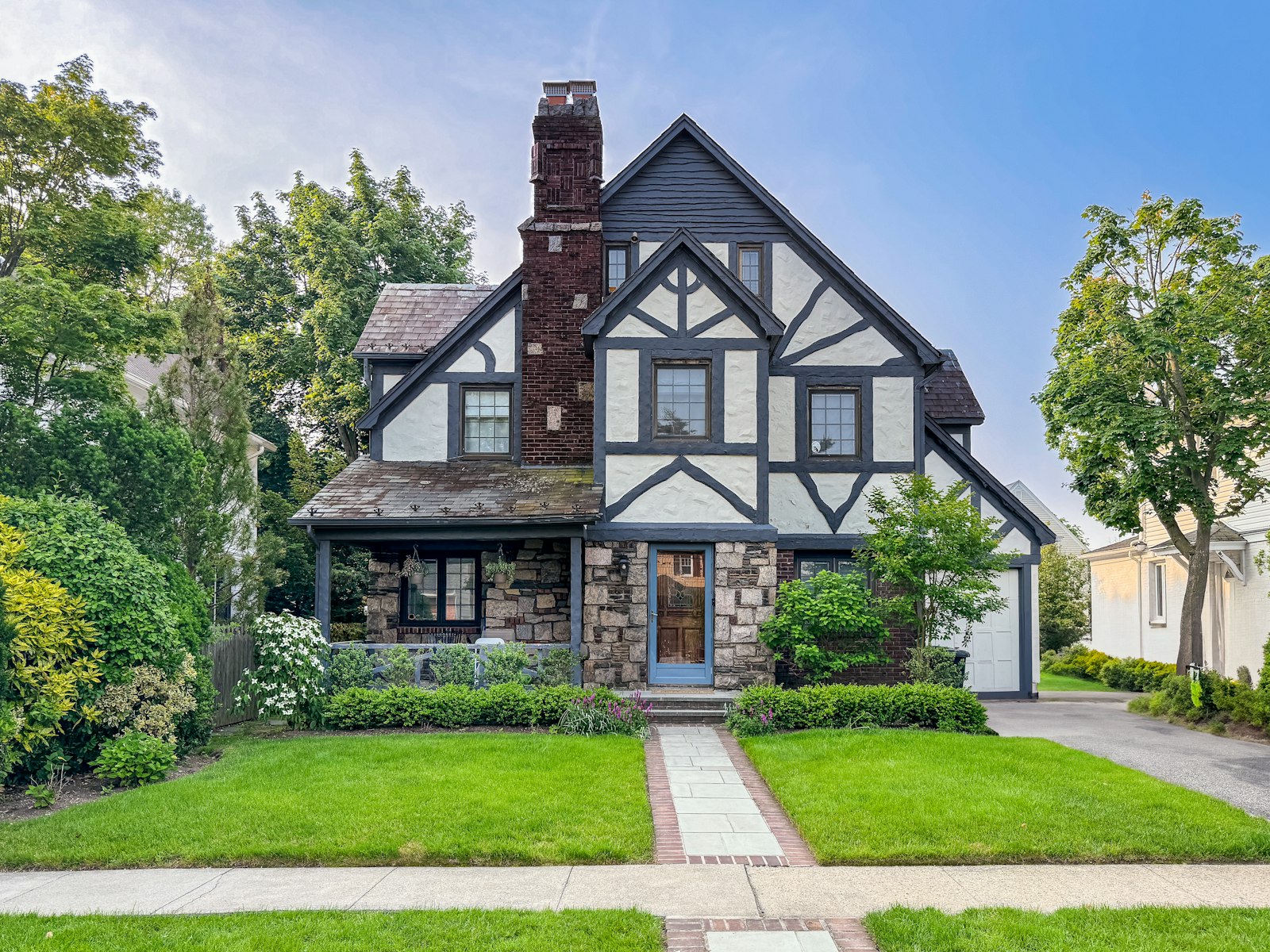
Under the default terms of the Tennessee REALTORS purchase and sale agreement, the buyer pays the transfer tax, recording fees and every cost tied to the loan. The seller pays off existing liens and covers deed preparation and their own closing fee. Title insurance is left blank on purpose, so the two sides decide it in writing.
Everything in that split can be changed. Here's what the standard contract says, where the money usually moves, and how seller-paid closing costs fit in.
Who pays what under the standard Tennessee contract?
Many Tennessee agents write offers on the Tennessee REALTORS RF401 Purchase and Sale Agreement. Section 2.D of the January 2026 version splits closing expenses into three buckets.
Seller expenses include:
- Paying off existing loans and liens, with release preparation and recording
- Any unpaid association dues, plus fees for payoff or estoppel letters
- The seller's own closing fee, document preparation or attorney fee
- Preparing the deed and the notary fee on the deed
- Bank wire or courier fees for paying off the seller's liens
Buyer expenses include:
- All transfer taxes and recording fees on the deed and the deed of trust
- The buyer's closing fee, document preparation or attorney fee
- The survey or mortgage loan inspection, if one is needed
- Required mortgage insurance, homeowners and flood insurance premiums, and escrow deposits for taxes and insurance
- Prepaid interest, appraisal re-inspection fees, and the insured Closing Protection Letter
- Every cost of getting the loan: appraisal, origination, discount points, underwriting, credit report and the rest
That "all transfer taxes" line matters. Tennessee's realty transfer tax and mortgage tax are covered in our guide to Tennessee recordation taxes, and under the default RF401 wording they land on the buyer.
Who pays for title insurance in Tennessee?
The form doesn't say, and that's deliberate. The Title Expenses line covers the title search, the lender's (mortgagee's) policy and the owner's policy, with rates as filed with the Tennessee Department of Commerce and Insurance. Then there's a blank where you write who pays.
Fill it in. If it's left vague, you'll be arguing about it at the closing table. The form also says simultaneous issue rates apply, which usually means buying the owner's and lender's policies together. It reminds buyers to ask their closing agency about the difference between a standard owner's policy and an enhanced homeowner's policy.
What about HOA fees, taxes and special assessments?
These trip people up because they don't feel like "closing costs" until they show up on the statement.
- HOA transfer fees: RF401 puts association transfer fees, related administration fees and capital contributions triggered by the sale on the buyer, unless the HOA documents charge them to the seller or the contract says otherwise.
- Unpaid dues: those stay with the seller.
- Property taxes: the current year's taxes are prorated to the closing date. If the new rate isn't set yet, last year's rate and assessment are used, and both sides agree to settle up if the final number changes. Prior-year taxes and any rollback taxes are the seller's.
- Special assessments: if they were approved or levied before closing, the seller pays them unless the contract says otherwise.
Can I ask the seller to pay my closing costs?
Yes. RF401 has blank lines right under the expense list where buyer and seller can change any of these items. That space is one place to spell out a seller credit toward the buyer's closing costs. When sellers are competing for buyers, some buyers ask for a credit or a rate buydown instead of a lower price.
Your loan program puts a ceiling on it. For conventional loans, Fannie Mae's interested party contribution rules cap seller-paid financing concessions on a primary home or second home at:
- 3% of the price or appraised value (whichever is lower) when the loan-to-value is over 90%
- 6% when it's 75.01% to 90%
- 9% when it's 75% or less
The credit also can't be more than your actual closing costs, and it can't be used for your down payment. Anything over the limit gets treated as a price reduction. FHA, VA and USDA loans have their own rules, so ask your lender before you write the number into an offer.
How do I check the final numbers?
If you're getting a mortgage, your lender has to give you a Closing Disclosure at least three business days before closing. Compare it against your Loan Estimate and against your contract.
Check four things in particular:
- The transfer tax and recording fees are on the side your contract assigned them.
- The title line matches what you wrote in the Title Expenses blank.
- Any seller credit is there at the full agreed amount.
- The tax proration uses the right closing date.
If you're short on cash to close, the THDA program covered in our guide to Great Choice Plus down payment assistance is worth a look before you go hunting for concessions.
FAQ
Does the buyer or seller pay the transfer tax in Tennessee?
Under the default wording of the Tennessee REALTORS RF401 contract, the buyer pays all transfer taxes and recording fees on the deed and deed of trust. The parties can change that in writing.
Who pays for the owner's title policy in Tennessee?
The RF401 leaves the Title Expenses line blank, so the buyer and seller decide who pays for the title search, the lender's policy and the owner's policy. Write it into the contract.
How much can a Tennessee seller pay toward closing costs?
It depends on the loan. On a conventional loan for a primary home, Fannie Mae caps seller-paid financing concessions at 3%, 6% or 9% depending on the loan-to-value ratio, and never more than your actual closing costs.
Does the seller pay the HOA transfer fee in Tennessee?
Not by default. RF401 puts association transfer and setup fees on the buyer unless the HOA documents or the contract say otherwise. Unpaid dues stay with the seller.
Next step
A licensed local real estate agent can show you what buyers and sellers in your Tennessee county are actually agreeing to on closing costs right now, and help you write any credit or title split into the contract so it holds up at closing.
Sources: Tennessee REALTORS RF401 Purchase and Sale Agreement, Version 01/01/2026, Section 2.D Closing Expenses and Section 4; Tennessee Department of Revenue, recordation tax due date and tax rate; Fannie Mae Selling Guide B3-4.1-02, Interested Party Contributions; CFPB, What is a Closing Disclosure?.
General information for Tennessee. Not a prediction of prices or advice for any specific property. Confirm current rules and local conditions with the county and a licensed agent.
Agents who publish a lightly edited version on their own domain should set a canonical tag pointing to this URL.
List your business on the Tennessee hub, free: Real estate