Earnest Money in Oklahoma: Deadlines, Refunds and Disputes
James Brazil lives in Mérida, Mexico. He founded Swift Agent Sites and studied Classics at the University of Mississippi.
Published · Updated
Real estate for buyers · Real estate for sellers
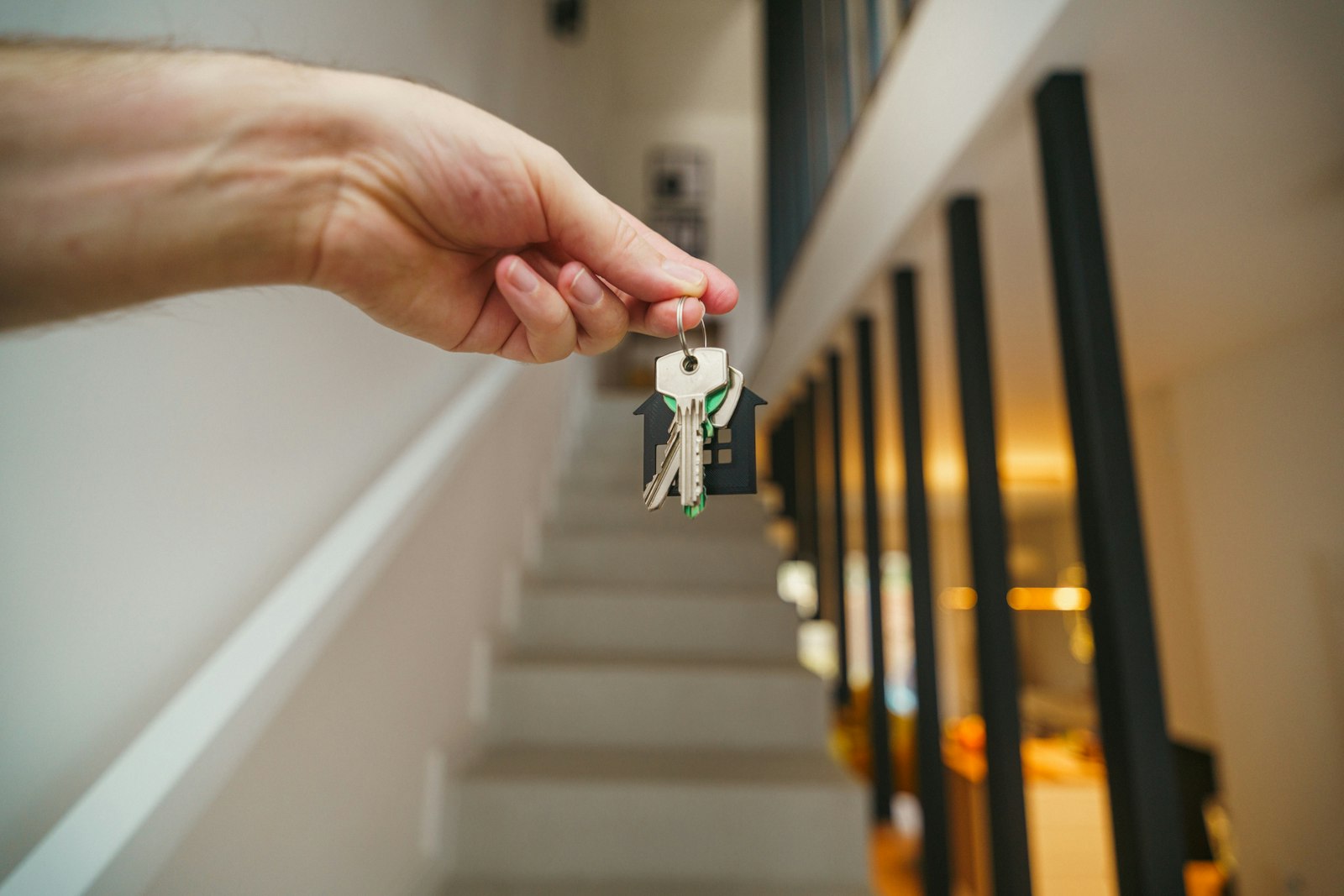
Earnest money is the deposit an Oklahoma buyer puts down to show the offer is serious. Under the state's standard 2026 residential contract, it goes to the named trust account holder within three days after the contract is fully signed. It counts toward your price or closing costs, and the contract decides when you get it back.
What is earnest money in an Oklahoma home purchase?
It's a good-faith deposit that sits in a trust or escrow account until closing. Most Oklahoma sales use forms approved by the Oklahoma Real Estate Commission (OREC), and the 2026 Residential Sale contract says the money is applied "as partial payment of the purchase price and/or closing costs."
The amount isn't set by law. It's whatever you and the seller write in. The contract names who holds it, usually a brokerage or a title company, and that choice affects how a dispute gets resolved later.
When do I have to deliver it?
Paragraph 2 of the OREC form gives the buyer, or the buyer's broker, three days after the contract is fully executed to deliver the money to the trust account holder. If the last day lands on a Saturday, Sunday or legal holiday, the deadline moves to the end of the next day that isn't one.
Missing it isn't a small thing. The form lets the seller terminate or pursue other remedies by giving written notice any time before you deliver. A check that bounces counts too: paragraph 16 treats earnest money that fails "for lack of delivery or lack of collection" as a buyer problem.
Once a broker has the funds, OREC's rules require them to be deposited in a separate, federally insured trust account by the end of the third banking day after the offer is accepted or the funds are received, unless everyone agrees otherwise in writing. That's OAC 605:10-13-1. The same rule bars brokers from mixing their own money into that account.
When do I get my earnest money back?
The 2026 form builds in several exits that send the money back to the buyer:
- Inspections. You get 10 days after the Time Reference Date for investigations, inspections and reviews if the blank is left empty. If the results are unsatisfactory in your sole opinion, you can cancel in writing and get your earnest money refunded.
- Repair negotiations. If you send a Treatments, Repairs and Replacements (TRR) list and the two of you can't reach a written agreement in the time allowed (7 days if left blank), the form tells the holder to release the money to you and the contract ends.
- Title problems. If the seller doesn't cure your title objections within the extension period (30 days if left blank), you can cancel and get the money back.
- Seller breach. If you perform and the seller doesn't, you can terminate and receive a refund, or pursue other remedies.
Deadlines are strict. The contract says "time is of the essence," and if you don't inspect, send a TRR list or cancel within the inspection period, that counts as accepting the property as it is.
When can the seller keep it?
If the seller has done their part and you fail to fund or otherwise perform, paragraph 16 lets the seller cancel and keep what you've paid, capped at 5% of the purchase price, as liquidated damages. The seller can choose other legal remedies instead, including specific performance.
One Oklahoma detail worth knowing before your inspection window closes: the form says that after the inspection period, not being able to get a loan because hazard insurance isn't available won't excuse you from closing. So get real homeowners insurance quotes during the inspection period, not after. Check flood risk for the address on FloodFireCheck too, and read why flood coverage is separate from a standard Oklahoma homeowners policy.
What happens if the buyer and seller disagree?
The holder doesn't get to pick a winner on day one. Paragraph 17 of the contract says the money stays put until one of these happens:
- Both buyer and seller sign a written release.
- They reach agreement through mediation.
- Someone files an interpleader or other legal action, and the money goes to the court clerk.
- Thirty days pass after the contract finally terminates with none of the above, and a broker holder chooses to disburse after giving 15 days' written notice to both sides.
That last option is only for brokers. If a title company holds the money, the form limits release to a signed release, mediation or a court. OREC's own rule, OAC 605:10-13-3, sets out the same 30-day and 15-day-notice path for brokers who make a good-faith decision that one side failed to perform.
The paperwork for a clean exit is OREC's Release of Contract and Disbursement of Earnest Money form. Everyone signs, it names who gets the money, and the holder pays after all parties have signed. Expenses like an inspection fee aren't paid out of the earnest money. Each side covers its own.
How much earnest money should I offer?
There's no state standard amount. A bigger deposit can make an offer look stronger, but it's also more money at risk if you miss a deadline. Talk it through with your agent and read the seller's disclosure or disclaimer statement before you commit. First-time buyers looking at down payment help should check the Oklahoma Housing Finance Agency programs too, since those affect how much cash you need overall.
FAQ
How long do I have to deposit earnest money in Oklahoma?
On the OREC 2026 Residential Sale form, three days after the contract is fully executed, extended to the next business day if the last day is a weekend or legal holiday.
Is earnest money refundable in Oklahoma?
Often, if you cancel within a contract right, such as the inspection period, a failed repair negotiation or uncured title problems. If you default after the seller performs, the seller can keep up to 5% of the price.
Who holds earnest money in Oklahoma?
Whoever the contract names, usually a broker's trust account or a title company. Brokers must keep it in a separate, federally insured trust account.
What if the seller won't sign the release?
The holder keeps the money until both sides sign, mediation succeeds or a court case is filed. A broker holder may disburse 30 days after termination with 15 days' written notice.
Talk with a licensed local agent
Before you write an offer in Oklahoma, talk with a licensed local real estate agent about the earnest money amount, who will hold it and every deadline on the contract. Put those dates on your calendar the day you sign.
Sources: Oklahoma Real Estate Commission, 2026 Residential Sale contract; Oklahoma Real Estate Commission, 2026 Release of Contract and Disbursement of Earnest Money; OAC 605:10-13-1, broker duty to account and trust accounts; OAC 605:10-13-3, special escrow disbursement.
General information for Oklahoma. Not a prediction of prices or advice for any specific property. Confirm current rules and local conditions with the county and a licensed agent.
Agents who publish a lightly edited version on their own domain should set a canonical tag pointing to this URL.
List your business on the Oklahoma hub, free: Real estate