Ohio Mover Broke Something? Reimbursement Options and the 60-Day Claim Rule
James Brazil lives in Mérida, Mexico. He founded Swift Agent Sites and studied Classics at the University of Mississippi.
Published · Updated
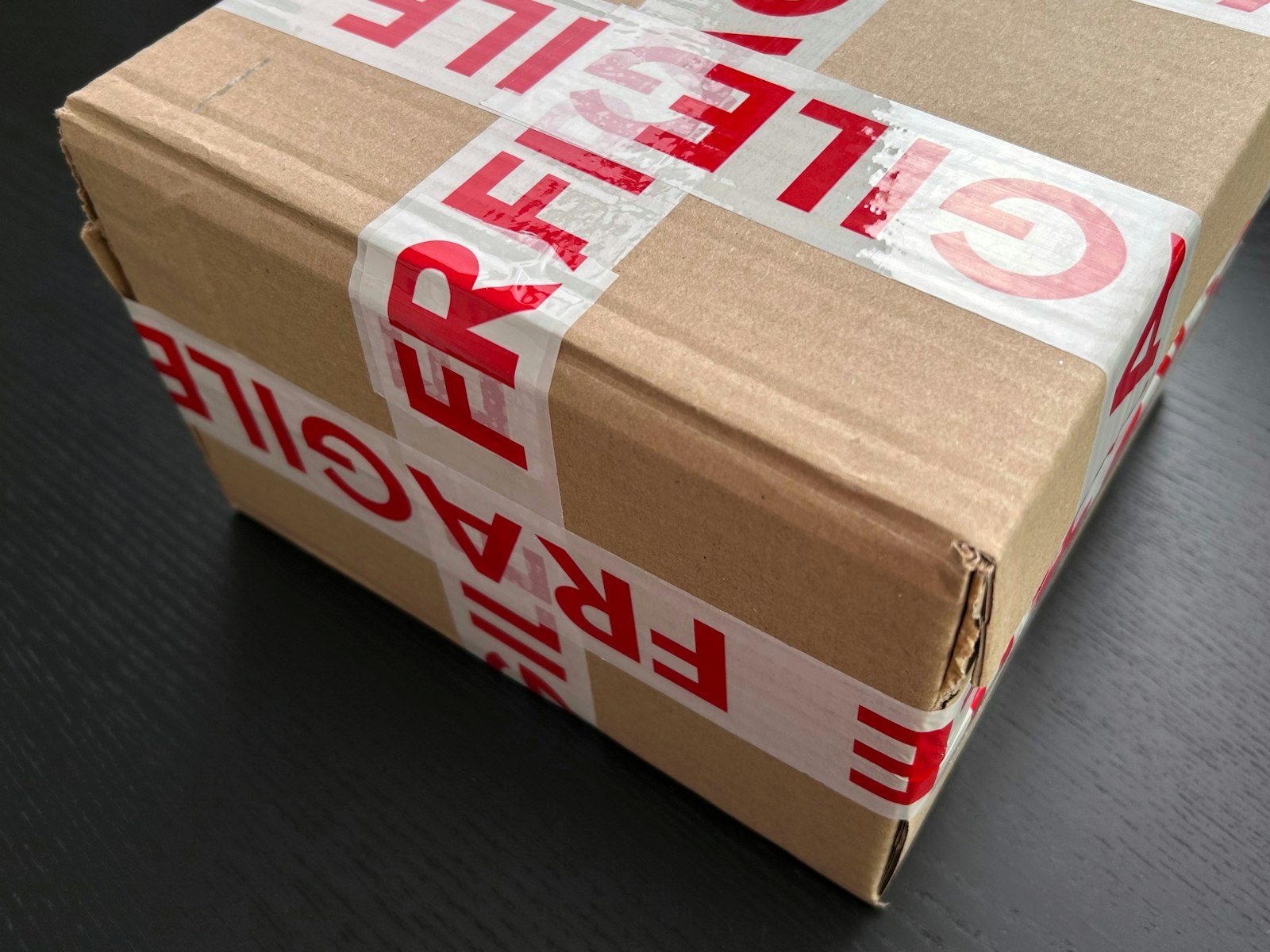
Under Ohio's moving rules, a PUCO-certified mover is liable for the replacement value of your goods unless you personally initial a lower option on the estimate or bill of lading. You get at least 60 days after the move to file a claim. The mover has to acknowledge it within 15 days and respond within 30.
What reimbursement options can an Ohio mover offer?
Ohio Administrative Code 4901:2-19-06 starts from a customer-friendly default: the mover is liable for replacement value. A mover that wants to limit its liability has to offer these exact options, printed word for word in bold or a contrasting color:
- Minimal liability. You're reimbursed no more than 60 cents per pound per article. A 10-pound lamp that cost $300 would be worth $6.
- Full replacement value. You're reimbursed the replacement cost of lost or damaged goods, up to a total declared value. The declared value is the amount you write in or $6 per pound times the shipment weight, whichever is greater.
The rule bars a mover from offering only the 60-cent option. If it offers minimal liability, it must also offer full declared value.
What if you never pick one?
Then you get the best version. If you don't initial any limitation, the rule says you're reimbursed for the replacement value of lost or damaged goods, with no cap on the total declared value. No limitation is effective unless you initial it and fill in the declared value where needed.
That's a strong rule, but don't rely on a blank form. Make an informed choice, initial it, and keep the copy.
What's the catch with high-value items?
The replacement value option includes a warning you should take seriously. If you don't disclose an article worth more than $100 per pound, the mover's liability for that item can be limited.
Items that often cross that line:
- Jewelry and watches.
- Laptops, cameras and small electronics.
- Artwork, collectibles and coins.
- Small antiques.
List them on the inventory, or better yet, move the smallest valuables yourself.
Can the mover repair instead of paying?
Yes, if the estimate or bill of lading says so. A mover can reserve the right to repair damaged goods instead of reimbursing you, but that right has to be expressly included. The estimate also has to explain it.
You and the mover can also agree to a deductible on any reimbursement, which usually lowers the price. It's only effective if you initial a statement on the estimate showing the deductible amount.
How do you file a damage claim?
The rule gives you at least 60 days from the date of the move, and the mover can allow longer. Here's a simple process:
- On delivery day, note visible damage on the delivery paperwork before the crew leaves. Write "box crushed" or "table leg broken" next to the item.
- Within a few days, unpack and photograph damage, including the packing, the box label and the item.
- Gather proof of value, like receipts, order confirmations or comparable listings.
- Send a written claim to the mover with photos, the inventory number if there is one, and the amount you're asking for. Keep a copy and note the date.
- Watch the deadlines. The mover has 15 days to acknowledge your claim and 30 days to respond with a settlement offer in writing.
If you can't resolve it, PUCO takes complaints at 800-686-7826 or online. Every Ohio estimate is required to give you that number.
Do you need extra insurance?
Maybe. Your homeowners or renters policy may cover some belongings in transit, often with limits. Call your agent before moving day and ask whether property in a mover's possession is covered, what the deductible is, and whether you need a scheduled item rider for jewelry or art.
Also remember the mover's cargo insurance is the mover's protection, not yours. The rule requires the mover to carry cargo insurance equal to the declared value of your shipment, but your claim still goes through the mover under the option you chose.
How should you pack to make a claim easier?
Good packing helps twice. It prevents damage, and it makes damage easier to prove. Label every box with its room and a number, and photograph fragile items as you pack them. If you pack boxes yourself, the mover may argue that damage inside a sealed box was a packing problem rather than a handling one, so wrap breakables carefully and use sturdy boxes. For anything truly fragile or valuable, ask the mover to pack it, and get that service listed on the estimate.
FAQ
How long do I have to file a moving damage claim in Ohio?
At least 60 days from the date of the move. The mover can allow more, but not less.
What is the default liability for Ohio movers?
Replacement value. A lower limit only applies if you initial it on the estimate or bill of lading.
Can an Ohio mover offer only 60 cents per pound coverage?
No. A mover that offers minimal liability at 60 cents per pound must also offer the full replacement value option.
Does this apply to interstate moves from Ohio?
No. Moves across state lines follow federal rules from the FMCSA, with their own liability options and claim deadlines.
Next step
Before your move, call your licensed local agent and confirm what your homeowners or renters policy covers while your things are on a mover's truck. Then choose the mover's reimbursement option with those answers in hand.
Sources: Ohio Administrative Code 4901:2-19-06, carrier liability and reimbursement; Ohio Administrative Code 4901:2-19-08, estimates; PUCO, know your rights when hiring a moving company.
General notes for moves in and to Ohio. Not a quote or a recommendation of any specific company. Confirm details with the mover you hire.
Agents who publish a lightly edited version on their own domain should set a canonical tag pointing to this URL.