Este artículo está disponible solo en inglés.
Selling a Longtime Family Home or Estate Property in Massachusetts
James Brazil vive en Mérida, México. Fundó Swift Agent Sites y estudió Clásicas en la Universidad de Mississippi.
Publicado el · Actualizado el
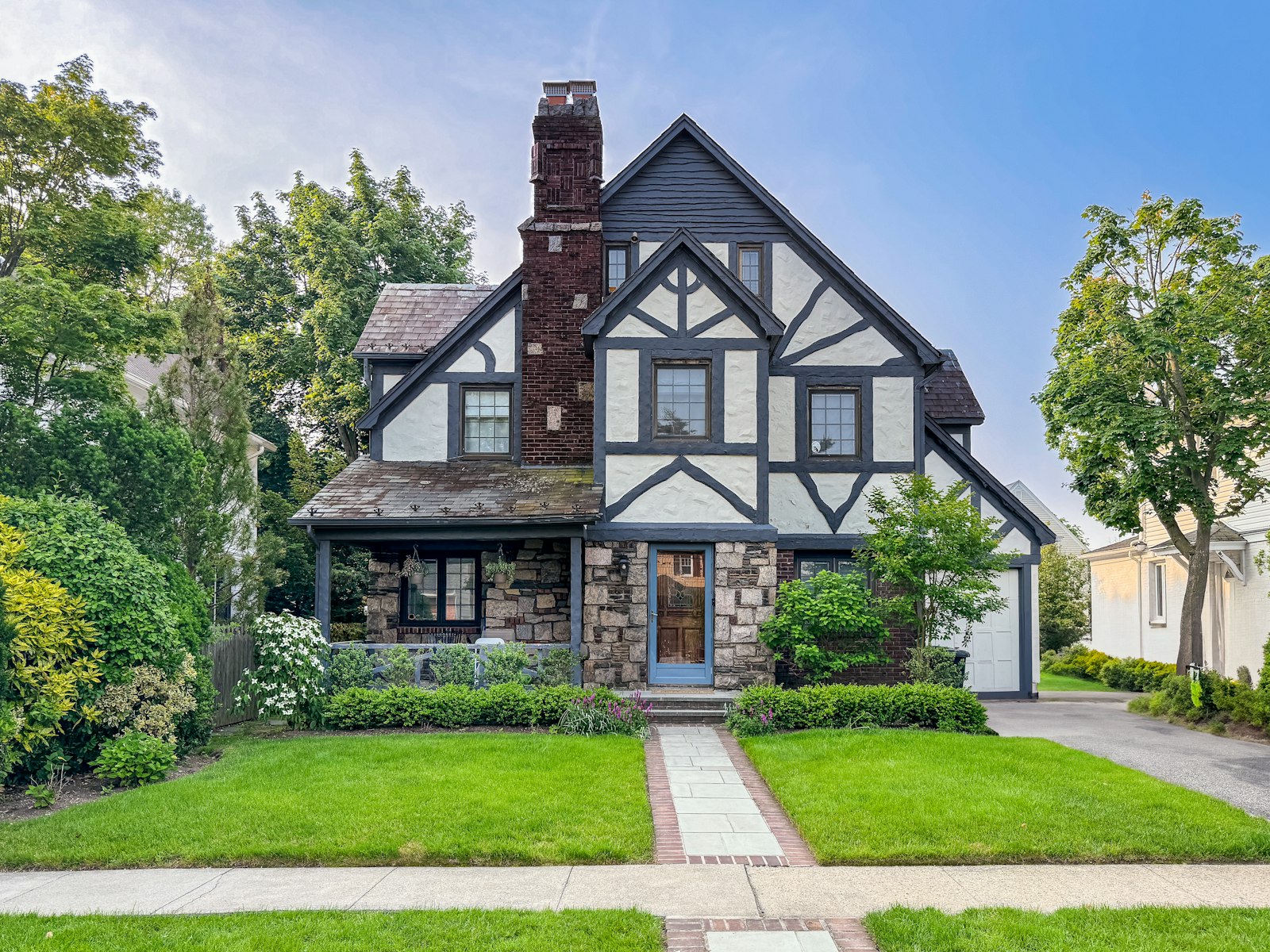
Selling a home you have lived in for decades, or a parent's home after they pass, involves the same Massachusetts seller steps as any sale plus a few of its own. The biggest one for an estate: if the owner has died, the person handling the estate may need permission from the Probate and Family Court before the sale is final.
Older homes also tend to trigger more of the state's sale requirements. A house built before 1978 needs the lead paint notification. One with original alarms may need new ones before the fire department signs off. One on septic needs a Title 5 inspection unless an exemption applies.
Who has authority to sell?
That depends on the owner's situation:
- The owner is living and selling. The owner signs. If someone else is signing for them, for example under a power of attorney or as a court-appointed conservator, ask the closing attorney early what paperwork the buyer's lender and title insurer will need.
- The home is in a trust. The trust document and the trustee control the sale. Have the closing attorney confirm who must sign.
- The owner has died. The personal representative of the estate (the executor or administrator) usually handles the sale, as described below.
When does an estate need a court license to sell?
Under the Massachusetts Uniform Probate Code, M.G.L. c. 190B, Section 3-715, a personal representative's sale of the estate's real estate to an arm's-length buyer is conclusive if:
- the person died without a will and a license to sell has been issued under chapter 202, or
- the person died with a will and either the will empowered the personal representative to sell the real estate, or a license has been issued under chapter 202.
In other words, if there is no will, or the will gives no power of sale, plan on a license from the court. The petition is the Probate and Family Court's Petition for Sale of Real Estate (MPC 210), filed under M.G.L. c. 202, Section 19.
The court's checklist for that petition (MPC 973) lists, among other items:
- The petition with a description of the real estate
- An inventory (MPC 854)
- An affidavit that the estate does not need a Massachusetts estate tax filing, or a closing letter, release or discharge from the Commissioner of Revenue
- A military affidavit and a return of service, unless all interested persons assent
- A proposed decree (MPC 794)
Getting assents from all heirs can simplify the process. Court timing varies, so talk with the estate's attorney before you set a closing date with a buyer.
Which sale requirements still apply?
An estate or longtime-owner sale goes through the same state checks as any other:
- Title 5 septic inspection. MassDEP exempts some family transfers, such as between spouses, parents and children, or full siblings. A sale to an unrelated buyer is not exempt. See the Title 5 guide.
- Smoke and CO alarm certificate. Required from the local fire department on sale or transfer. Older alarms often need replacing; the state says smoke alarms cannot be more than 10 years old. See the smoke and CO certificate guide.
- Lead paint notification. For homes built before 1978, the buyer must get the Property Transfer Lead Paint Notification before signing the Purchase and Sale Agreement, along with any lead reports you have.
Heirs who never lived in the house may know little about its condition. Massachusetts has no mandatory seller disclosure form, but any answer the estate gives must be accurate. Saying "we do not know" is better than guessing. Our seller disclosure guide covers what is required.
What about a death in the home?
M.G.L. c. 93, Section 114 says the fact that a property was the site of a felony, suicide or homicide is not a material fact that must be disclosed. It also says no one may make a false statement, so a direct question still needs an honest answer.
What should downsizing owners think about?
If you are selling to move somewhere smaller, a few planning points help:
- Start early on records. Find permits, septic pumping records and any lead paint letters. The state's Lead Safe Homes database may show your home's lead history.
- Line up the next home. Coordinate the sale and purchase dates in both contracts so you are not moving twice.
- Homestead on the next home. Under M.G.L. c. 188, Section 2, an elderly or disabled owner's declared homestead ends when that owner sells the home. Owners 62 or older can record a new elderly declaration on the next home. See our homestead guide.
- Taxes. Ask a tax professional about the sale before you sign, especially for an inherited home.
FAQ
Does every estate sale need probate court approval?
No. Under M.G.L. c. 190B, Section 3-715, a will that empowers the personal representative to sell can be enough. Without a will, or without that power in the will, a license to sell under chapter 202 is needed.
What form asks the court for a license to sell?
The Petition for Sale of Real Estate, MPC 210. The court publishes a checklist (MPC 973) of the other documents that go with it.
Is an inherited home exempt from Title 5?
Not when it is sold to an unrelated buyer. MassDEP's family exemptions cover transfers between spouses, parents and children, and full siblings, among others.
Does the estate need the smoke and CO certificate?
Yes. State law ties the fire department inspection to the sale or transfer of the home, not to who the seller is.
Should the estate fix up the house before selling?
That is a judgment call that depends on the house, the heirs and the market. A licensed local agent can show what similar homes sold for as-is and after updates.
Next step
A licensed local real estate agent who works with older homeowners and estates can help you sort the house, plan the inspections and time the listing around court approval. The estate's attorney should confirm the personal representative's authority before you accept an offer.
Sources: M.G.L. c. 190B, Section 3-715, M.G.L. c. 202, Section 19, Probate and Family Court: Petition for Sale of Real Estate (MPC 210), Checklist for Petition for Sale of Real Estate (MPC 973, PDF), MassDEP: Buying or Selling Property with a Septic System, DFS smoke and CO guide (PDF), M.G.L. c. 93, Section 114, M.G.L. c. 188, Section 2.
Información general para Massachusetts. No es asesoría legal, una predicción de precios ni un consejo sobre ninguna propiedad específica. Confirma las reglas vigentes con tu municipio, un abogado de bienes raíces y un agente con licencia.
Los agentes que publiquen una versión con pocos cambios en su propio dominio deben poner una etiqueta canonical que apunte a esta URL.
Agentes que atienden esta zona
Lyn Robinson — Lyn Robinson Real Estate, LLC
Corredora (broker) de bienes raíces en Massachusetts, REALTOR e instructora de bienes raíces con sede en Blackstone, y Seniors Real Estate Specialist (SRES). Atiende Blackstone, Bellingham, Milford, Franklin, Uxbridge y pueblos cercanos.