Florida Rentals and Second Homes After Amendment 3: The New 5% Cap
James Brazil lives in Mérida, Mexico. He founded Swift Agent Sites and studied Classics at the University of Mississippi.
Published · Updated
Real estate for buyers · Real estate for sellers
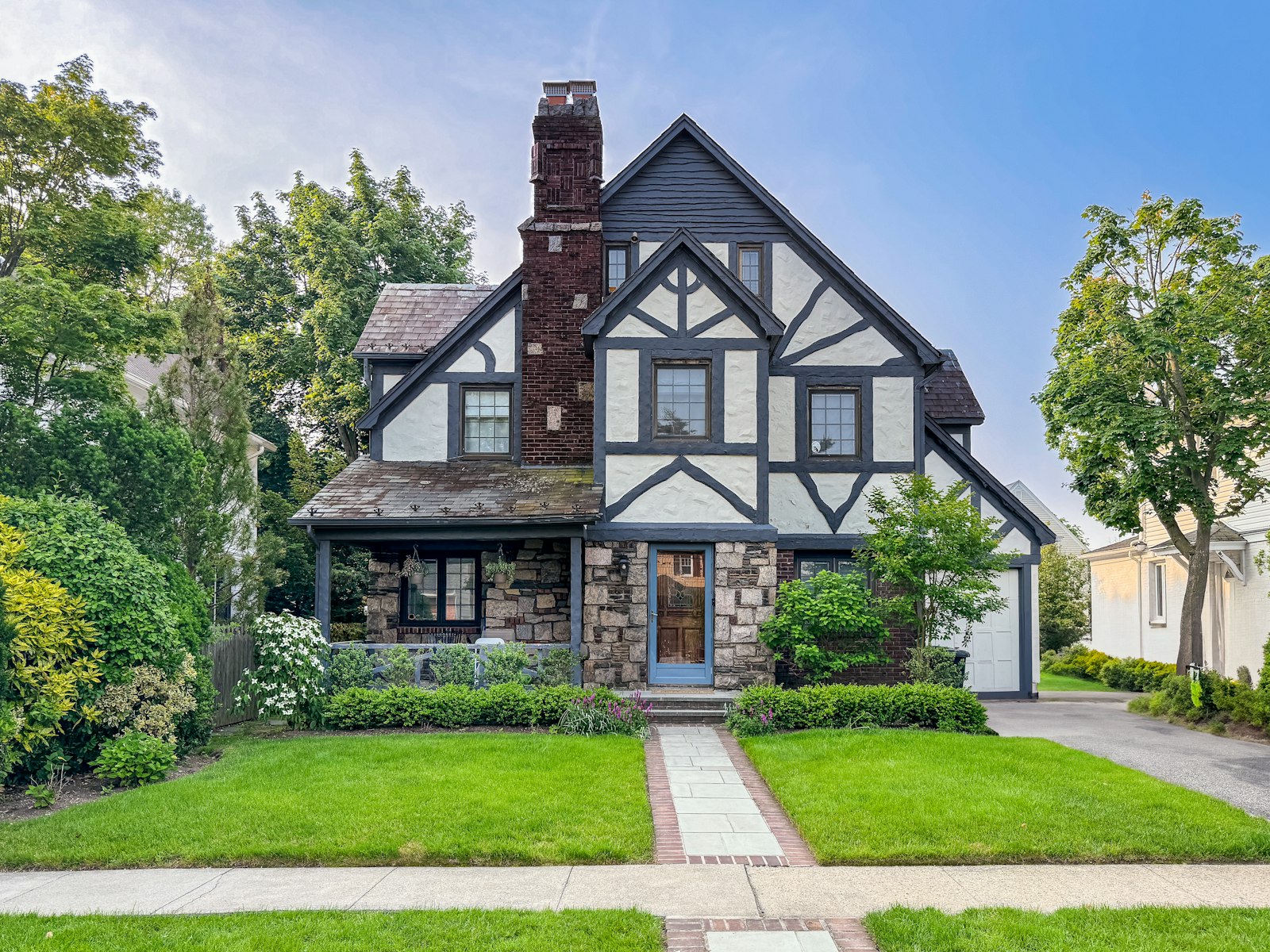
Amendment 3 cuts the yearly cap on assessed value increases for Florida rentals, second homes and other non-homestead property from 10% to 5%, starting with the 2027 tax roll. The cap only covers non-school taxes. School taxes still follow market value, and the cap resets when a residential property changes hands.
Voters approved the amendment on November 3, 2026. Most of the coverage has been about the bigger homestead exemption, but if you own or plan to buy property you won't live in full time, the 5% cap is the part that touches you.
What did Amendment 3 change for non-homestead property?
The Florida Department of Revenue summed it up in bulletin PTO 26-21, issued November 5: the annual cap on assessment increases for non-homestead property drops from 10% to 5%. The joint resolution text writes it as 10% before January 1, 2027 and 5% beginning January 1, 2027.
The 5% cap applies in two places in the Constitution. One covers residential property with nine units or fewer that isn't a homestead. The other covers everything else that isn't already capped. The Pinellas County Property Appraiser gives examples of what counts as non-homestead:
- Rental houses and condos
- Second homes and vacation homes
- Commercial property, including larger apartment buildings
- Vacant land
The amendment takes effect January 1, 2027. Pinellas says you'll first see it on the August 2027 TRIM notice and the tax bill delivered in November 2027.
What didn't change?
Plenty, and these points matter more to your bill than the headline does.
- School taxes aren't capped. Both caps say they apply to "all levies other than school district levies." Pinellas says school taxes stay based on just (market) value.
- Tax rates aren't capped. The 5% limit is on assessed value. Pinellas is direct about it: the change caps assessed value, not taxes. Your county, city and other districts still set millage every year.
- Non-ad valorem assessments are untouched. Pinellas notes exemptions don't reduce these separate charges, and since they aren't based on assessed value, the cap doesn't either.
- Your 2026 bill is the old system. Bills mailed this fall are on the 2026 roll, under the 10% cap.
The bigger homestead exemption doesn't reach a rental or second home either. It only applies to your permanent residence. If you're thinking about moving into the property full time, start with our Florida homestead exemption guide.
How does the 5% cap work from year to year?
Florida assesses property as of January 1. When a non-homestead property's assessed value sits below its market value, the assessed value can rise each year, up to the cap, until it catches up. The Constitution also says no assessment can exceed just value.
That has a practical side. In a flat or softening market, a property with a big gap between assessed and market value can still see its non-school assessment climb by up to 5% a year. Starting in 2027, that climb is half as steep as it used to be.
Improvements are handled separately. Adding a room, a pool or other new construction gets added to the assessment under state law, and then the cap applies again from that new starting point.
What happens when I buy a Florida rental or second home?
This is where buyers get caught. For residential non-homestead property, the Constitution says that after a change of ownership or control, the property is reassessed at just value as of the next assessment date. The cap then starts over from there.
So the seller's tax bill isn't your tax bill. If the seller owned for years, their capped assessment may be well below market. Expect your first full year to be based on something close to what you paid. Budget from current market value, not from the seller's last bill.
Buying through an LLC or other entity doesn't dodge the reset. A change of ownership of the entity that owns the property counts too. Under Florida Statutes 193.1556, owners have to notify the property appraiser of a change of ownership or control. A recorded deed counts as notice. If an owner fails to report and the appraiser finds the cap was wrongly applied, the owner can owe the avoided taxes for up to 10 years, plus 15% interest a year and a 50% penalty.
Does Amendment 3 help renters?
Not directly. Nothing in the amendment limits rent, and nothing requires a landlord to pass savings along. A smaller cap slows growth in the non-school part of a landlord's tax bill, but school taxes, insurance and the local rental market still drive what landlords charge.
If you rent, the honest answer is that any effect will be slow and uneven. Don't plan your budget around a rent cut.
What should owners and buyers do now?
Owners of non-homestead property can keep it simple:
- Pay the 2026 bill as usual. Florida law gives a 4% discount for paying in November, 3% in December, 2% in January and 1% in February. The full amount is due by March 31, 2027.
- Watch the August 2027 TRIM notice. It's the first one that should reflect the 5% cap. Compare the assessed value to the market value listed.
If ownership or control of an LLC that holds the property changes, tell the property appraiser right away.
Buyers have more to check before making an offer:
- Estimate taxes from the price, not the listing's tax history.
- Get insurance quotes early. On coastal or low-lying property, flood coverage is a separate cost you'll want priced before you commit. Our guide on flood insurance in Florida explains why it isn't part of a standard homeowners policy.
- Check the address for flood and fire risk with FloodFireCheck before you're under contract.
- Read the local market. Our Florida housing market update covers prices and inventory this fall.
FAQ
When does Florida's 5% non-homestead cap start?
It takes effect January 1, 2027 and first applies to the 2027 tax roll. Owners should first see it on August 2027 TRIM notices and November 2027 tax bills.
Does the 5% cap apply to school taxes?
No. The non-homestead caps apply only to non-school levies. School taxes on rentals and second homes are still based on market value.
Does buying a rental reset the assessment?
Yes, for residential non-homestead property. After a change of ownership or control, it's reassessed at market value as of the next January 1, and the cap applies from there.
Will Amendment 3 lower my rent?
The amendment doesn't regulate rent. It slows growth in part of a landlord's tax bill, but landlords set rents based on many costs and on the local market.
Next step
Buying a rental or second home in Florida, or deciding whether to sell one? Talk with a licensed local real estate agent. They can help you estimate taxes from today's market value and compare properties before you commit.
Sources: Florida DOR Property Tax Oversight Bulletin PTO 26-21; CS/HJR 1F enrolled text; Pinellas County Property Appraiser Amendment 3 FAQ; Florida Statutes 193.1556, notice of change of ownership or control; Florida Statutes 197.162, tax discount payment periods.
Before you hire: Florida has 300,662 active real estate licenses, from the Florida Department of Business and Professional Regulation's file as of 29 October 2026. Check any agent's license free.
General information for Florida. Not a prediction of prices or advice for any specific property. Confirm current rules and local conditions with the county property appraiser and a licensed agent.
Agents who publish a lightly edited version on their own domain should set a canonical tag pointing to this URL.
List your business on the Florida hub, free: Real estate