Alabama's 7% Property Tax Cap Resets When You Buy
James Brazil lives in Mérida, Mexico. He founded Swift Agent Sites and studied Classics at the University of Mississippi.
Published · Updated
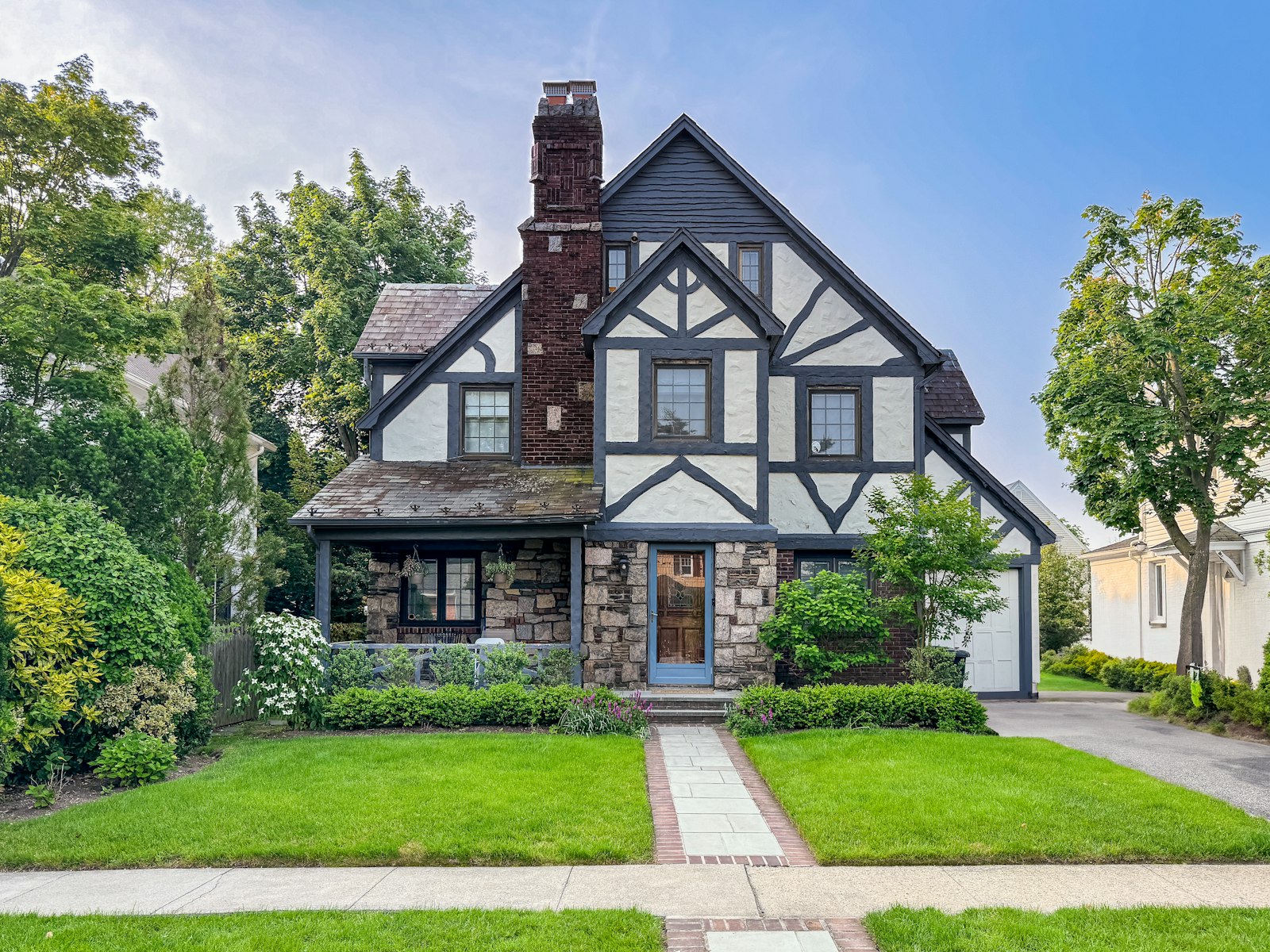
If you're buying an Alabama home, don't budget from the seller's tax bill. The state's 7% cap on yearly increases in taxable assessed value drops off when a property changes hands, so the next tax year is figured on the home's full assessed value. On a home the seller has owned for years, that can mean a noticeably bigger bill.
The cap is only a couple of years old and it's scheduled to end soon, so plenty of buyers and even some sellers haven't heard how it works.
What is Alabama's 7% property tax cap?
The cap came from HB73, now Act 2024-344. After a county reappraises, the tax assessor compares each property's assessed value with the year before. For Class III property, which includes single-family owner-occupied homes, the increase is limited to 7% a year. Class II property, the catch-all class that covers rentals and commercial buildings, gets the same 7% limit.
According to the Alabama Department of Revenue's 7% cap page, the base year was October 1, 2024, and the cap first showed up in tax collections starting October 1, 2025. When it applies, your taxable assessed value is set at 1.07 times last year's taxable value, rounded down to the nearest $20.
You don't apply for it. The county assessing office applies it automatically to parcels that qualify.
Why does buying a home reset the cap?
A change in ownership is one of the listed exceptions. The Department of Revenue says it plainly in its FAQ: when you buy, don't assume the taxes will stay the same, because a sale triggers a reassessment and the taxable value resets to the true assessed value for the next tax year.
Picture a seller who bought years ago in an area where values climbed faster than 7% a year. Their taxable value has been held back while the true value kept rising. The state calls that difference the "cap gap." When you close, the gap goes away and your bill catches up with what the home is actually worth.
A few transfers don't reset the cap:
- A transfer between spouses or family members for no or nominal money
- A transfer because the original owner died, including a surviving spouse taking full title
- Getting a property back through redemption after a mortgage foreclosure, tax sale or tax lien
- Buying an LLC that owns the property, since the owner of record (the LLC) doesn't change
A regular purchase from an unrelated seller isn't on that list.
What else knocks a property off the cap?
The sale isn't the only trigger. The Department of Revenue lists several more:
- New improvements. Add a pool, detached garage, canopy or any other new structure and the whole parcel comes off the cap, no matter how small the project.
- Significant improvements. Room additions, gut rehabs, major kitchen or bath remodels and new systems count. Ordinary upkeep like painting, new flooring, a roof replacement or swapping out an HVAC unit doesn't.
- A change in class. If you move and rent out your old house, it goes from Class III to Class II and loses the cap.
- A new tax increment district. Parcels inside a newly created TIF district are excluded.
Disaster repairs that just put a house back the way it was keep the cap. Rebuilding beyond the old condition doesn't.
Can my taxes go up even if values drop?
They can, and that surprises people. Because of the cap gap, your taxable value can keep climbing by up to 7% a year even in a soft market, until it meets the true assessed value. The state's own example shows taxable values still rising for a couple of years while market values fell.
The flip side is that if the market slides far enough, your taxable value will line up with the lower true value and stop there.
When does the cap end?
The Department of Revenue says the limits continue through the fiscal year beginning October 1, 2027. After that, the cap goes away unless lawmakers act.
Expect a fight over it. In an August 2026 story, 1819 News quoted the cap's Senate sponsor saying he wants it renewed in the 2027 session, maybe at a lower rate. The Association of County Commissions of Alabama said it should be allowed to end. A 2026 bill, House Bill 167, proposed tying the cap to inflation instead of 7%; its fiscal note also confirms the current sunset date. If you're buying now, plan as if the cap may not be there for you in a couple of years.
What should buyers check before closing?
The numbers you want are on the county records, not the listing.
- Ask the county for the home's appraised market value and its true assessed value, not only last year's bill. Class III homes are assessed at 10% of market value.
- Compare true and taxable assessed values. A big gap means a bigger jump after you buy.
- Check for recent work. A new pool or addition may already have pulled the parcel off the cap.
- Look at exemptions separately. The cap and the homestead exemption are different things. After closing you still need to record your deed and apply for homestead, and our guide to the Alabama homestead exemption explains what it covers.
- Remember the calendar. Alabama property taxes are due October 1 and delinquent if paid after December 31.
If you think the county's market value is wrong, the cap doesn't change your appeal rights. Disputes over market value still go to the county Board of Equalization and then circuit court, as covered in our article on Alabama assessment appeals.
FAQ
Does Alabama's 7% cap transfer to the buyer?
No. A change in ownership resets the taxable assessed value to the true assessed value for the next tax year. Transfers to a spouse or family member for no or nominal money, and transfers at death, are the main exceptions.
Do I have to apply for the 7% cap?
No. The county assessing office applies it automatically to Class II and Class III real property that qualifies. Homestead exemptions are different and do require an application.
Will replacing my roof take my home off the cap?
No. The Department of Revenue treats roof replacement, painting, flooring and replacing existing HVAC or plumbing as ordinary maintenance. New structures, additions and major remodels are what remove a parcel from the cap.
When does the Alabama 7% cap expire?
It runs through the fiscal year beginning October 1, 2027, and then ends unless the Legislature renews or changes it.
Next step
Before you make an offer, talk with a licensed local real estate agent. They can help you pull the county's values for the home, estimate what the bill may look like after the sale, and build that number into your budget.
Sources: Alabama Department of Revenue, 7% Cap Information, HB73; HB73 enrolled; Fiscal note, House Bill 167; 1819 News, Alabama's 7% property tax reappraisal cap expires in 2027.
General information for Alabama. Not a prediction of prices or advice for any specific property. Confirm current rules and local conditions with the county and a licensed agent.
Agents who publish a lightly edited version on their own domain should set a canonical tag pointing to this URL.
List your business on the Alabama hub, free: Real estate