Flood Damage Is Not Covered by a Standard Alabama Homeowners Policy
James Brazil lives in Mérida, Mexico. He founded Swift Agent Sites and studied Classics at the University of Mississippi.
Published · Updated
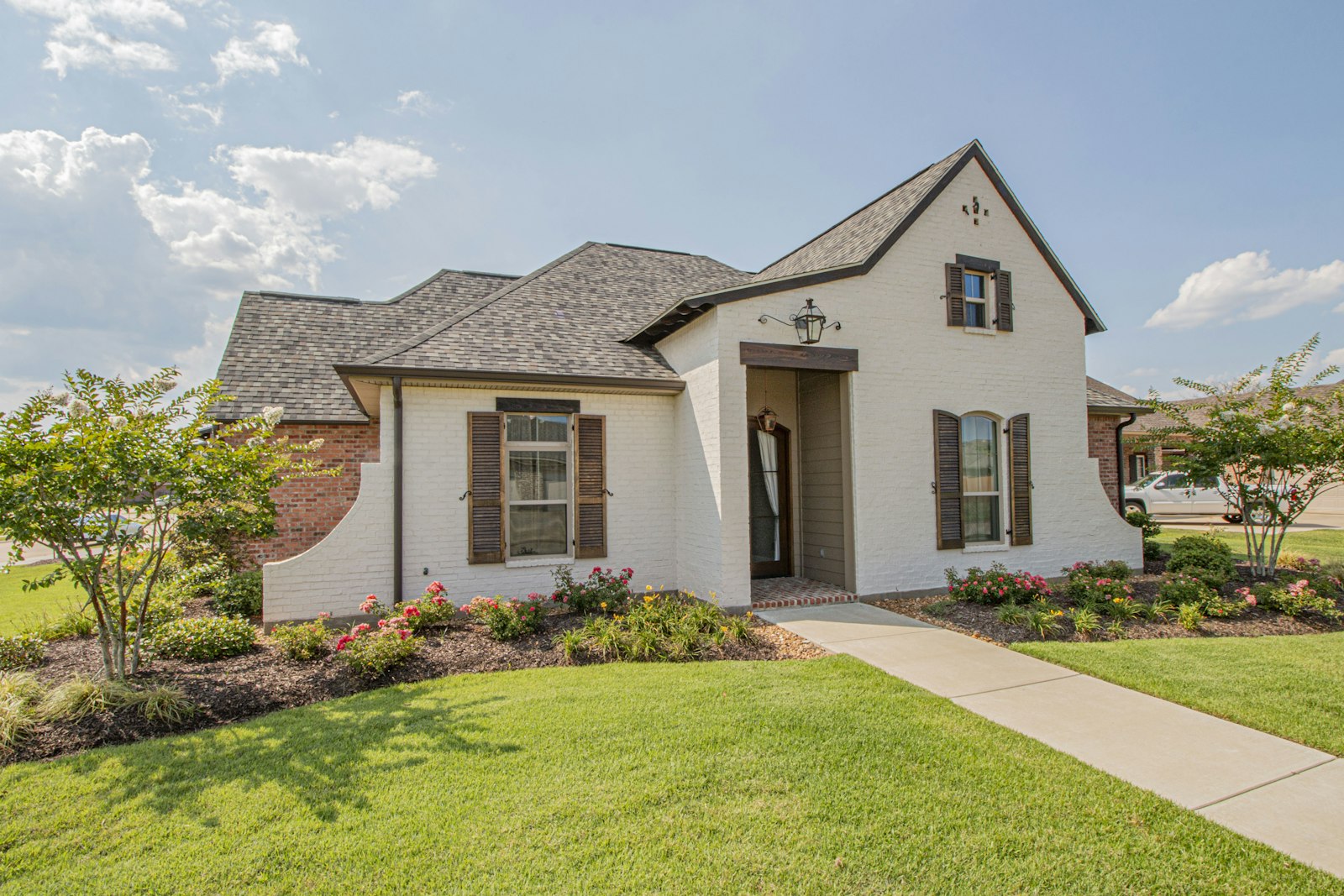
A standard homeowners policy in Alabama does not cover flood damage. The Alabama Insurance Underwriting Association states that flood is not covered under most property policies, including AIUA policies, and that much of the damage in recent hurricanes was caused by flood, not wind. Separate flood insurance is the coverage that responds to that kind of loss.
The official place to learn about federal flood insurance is FloodSmart.gov, the consumer site for the National Flood Insurance Program. A flood policy can be written through the NFIP or, in some cases, through a participating private insurer. It is not automatically included when you buy an auto or homeowners policy, and it is not created by comprehensive coverage on a car. Each contract has to be read on its own.
Why does this matter in Alabama?
Coastal and river flooding, tropical systems, and heavy rainfall can all produce water damage that a homeowners policy treats as flood. Wind and flood are different perils. A residual AIUA policy may respond to covered wind damage on eligible property in Baldwin and Mobile counties south of the 31st parallel, but it will not pay a flood loss. If you are shopping only for a wind or homeowners quote, ask in writing whether flood is excluded and how the policy defines water damage, storm surge, and overflow of a body of water.
For property in flood hazard zones A or V, AIUA requires the insured to carry flood coverage at least equal to the AIUA policy limits or the maximum provided by the National Flood Insurance Program. That requirement does not convert the AIUA policy into a flood policy. It is a condition that a separate flood policy be in place. For condominiums, the named insured still has to maintain that flood coverage unless the unit is above the second level of a multi-level building, according to the official AIUA FAQ.
Lenders that hold a mortgage on a property in a mapped flood zone commonly require flood insurance for the life of the loan. Even when a lender does not require it, a flood policy can be the only source of rebuilding funds after high water. Official flood maps and zone determinations belong on FEMA and FloodSmart resources, not on an informal neighborhood description.
What should a flood policy discussion include?
Ask a licensed local agent or an NFIP-participating insurer about:
- The flood zone for the property and whether a current elevation certificate is on file.
- Building coverage and contents coverage as separate limits.
- The waiting period that may apply before a new flood policy takes effect.
- How the policy treats a basement, an enclosure, or a detached structure.
- Whether the community participates in the National Flood Insurance Program.
This article does not invent waiting-period exceptions, basement limits, or premium discounts. Those details belong on the current FloodSmart pages and the policy form. If you are closing on a purchase, build the flood quote and the effective date into the closing calendar so coverage is in force when you take title, subject to any official waiting-period rules that apply.
Auto comprehensive coverage, if you buy it, is also a separate contract. It may cover certain weather-related damage to a vehicle under the auto policy, but it is not homeowners flood insurance and it does not repair a house. ALDOI's auto materials discuss physical-damage claims, total losses, and deductibles for vehicles. Keep the auto claim and the property claim on their own documentation tracks after a storm.
How do residual property rules and storm closures fit in?
If voluntary-market homeowners or wind coverage is not available for eligible property in Baldwin and Mobile counties, an authorized AIUA agent can screen the location on the official map. Do not wait until a named storm is on the forecast. AIUA will not issue a policy or process a premium-bearing endorsement when a named storm has been declared within the area published in its FAQ, or when a tropical storm watch or warning has been declared for Baldwin or Mobile County.
Flood insurance has its own application and waiting-period rules. Starting either application late can leave a gap. If a company nonrenews a group of property policies to reduce catastrophic-event exposure, Alabama Department of Insurance Rule 482-1-136 requires 120 days' written notice to the named insured, as defined in that rule. That notice is a chance to shop for replacement property coverage and to confirm that flood coverage remains in force, but it is not itself a flood policy.
After a loss, photograph the high-water marks, keep receipts, and report the claim to the flood insurer and, if wind damage is also involved, to the property insurer. Do not assume one adjuster is handling both perils. If a company dispute arises on a policy that ALDOI regulates, the department's consumer complaint path is available after you first contact the company.
If you own or are buying an Alabama home, talk with a licensed local agent about a separate flood policy, confirm the official flood zone, and read the homeowners or AIUA exclusions before storm season.
FAQ
Does a standard homeowners policy in Alabama cover flood?
No. Official AIUA materials state that flood is not covered under most property policies, including AIUA policies. Flood insurance is a separate purchase through the NFIP or a participating insurer.
If I have an AIUA policy, do I still need flood insurance?
Yes, if the property is in flood hazard zone A or V. AIUA requires flood coverage at least equal to the AIUA limits or the NFIP maximum. The AIUA policy still does not pay flood losses.
Where do I learn about federal flood insurance?
The official consumer site is FloodSmart.gov, which explains the National Flood Insurance Program and how to find participating insurers and agents.
Can I wait until a storm is named to buy residual wind or flood coverage?
Do not count on that. AIUA closes new business and certain endorsements around published named-storm and watch or warning conditions. Flood policies can also have waiting periods. Start the applications early.
Sources: National Flood Insurance Program, AIUA About the Association, AIUA Frequently Asked Questions, Alabama Insurance Regulation 482-1-136, ALDOI File a Consumer Complaint.
This is general information for Alabama. It is not a recommendation to buy, drop, or switch a specific policy. Confirm current details with the insurer or a licensed agent who knows your situation.
Agents who publish a lightly edited version on their own domain should set a canonical tag pointing to this URL.
List your business on the Alabama hub, free: Insurance