Virginia Still Requires Some Written Seller Disclosures, Including Flood Risk and Other Specific Conditions
James Brazil lives in Mérida, Mexico. He founded Swift Agent Sites and studied Classics at the University of Mississippi.
Published · Updated
Real estate for buyers · Real estate for sellers
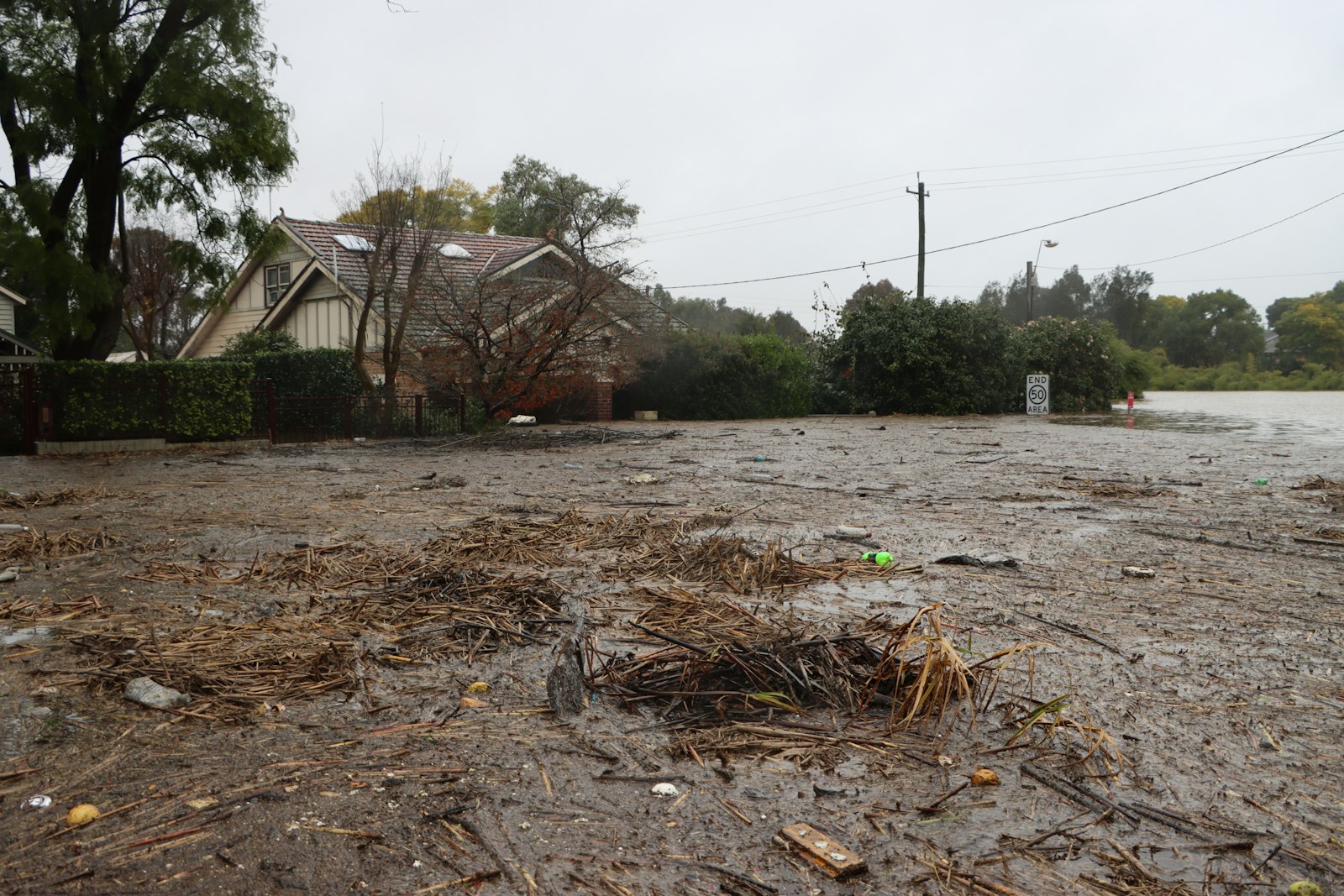
Virginia's seller disclosure is mostly a buyer-beware statement, but the law still requires certain written notices. Those can include the Flood Risk Information Form in the Real Estate Board packet, building-code or zoning violations, a former methamphetamine laboratory, some septic issues, privately owned stormwater facilities, and, for new dwellings, known material building-code defects.
Which special disclosures should you look for?
The standard Residential Property Disclosure Act statement tells buyers to investigate the property and that the seller is not making general representations about condition. Alongside that notice, the Board's current packet, posted as current as of July 1, 2026, includes a Flood Risk Information Form and other consumer materials. Read the flood form, then still check FEMA maps and price a flood policy. A signed form is not coverage, and a house outside a mapped high-risk zone can still flood.
Other written disclosures arise when a specific statutory trigger is present. Depending on the facts, a seller may have to give written notice of building-code or zoning violations, pending enforcement or lis pendens, a former methamphetamine lab, privately owned stormwater facilities, or certain septic-system issues. Builders selling a new dwelling must disclose known material building-code defects. Properties in Planning District 15 may also have a mining disclosure. If a listing or a contract addendum is silent on those topics, ask. Silence is not the same as "none of these apply."
Exemptions in § 55.1-702 can remove the ordinary disclosure-statement duty on some transfers, such as certain foreclosures, estate sales, transfers between spouses or co-owners, and the first sale of a dwelling. An exemption from the standard packet does not automatically answer every other question about the house. Buyers in those deals should be even more careful with inspections, title, and flood research.
Delivery timing still matters. If the required statement arrives after ratification, the buyer may have three days after in-person or electronic delivery, or five days after a mailed postmark, to terminate in writing, subject to the earlier cutoffs in § 55.1-709. Put special disclosures in the same file as the main statement, with the date and method of delivery.
What a required disclosure does not replace
A statutory notice is not a home inspection, a septic dye test, a well-water test, a survey, or a title search. If the flood form, a septic disclosure, or a code-violation notice raises a question, hire the right specialist and ask the seller for permits, repair invoices, and any locality correspondence. In Tidewater and along rivers, price flood insurance early, because a National Flood Insurance Program policy usually has a 30-day wait unless an exception applies.
If you are selling, use the current DPOR forms and answer the specific statutory items honestly. Do not treat the buyer-beware language as a reason to leave a required notice out. If you are not sure whether a fact must be disclosed, ask a Virginia real estate attorney before you accept an offer. A missing flood form or a late packet can delay or unwind a contract, and a hidden required fact can create a dispute after closing.
Buyers should write inspection, well, septic, and flood-insurance review periods into the contract that are long enough to use. The late-disclosure termination right is a narrow statutory tool. It is not a general "I changed my mind" clause, and it can end at settlement, occupancy, a qualifying mortgage application, or a written waiver. Keep the packet, the email or envelope that delivered it, and any extra addenda together.
Planning District 15 and coastal or floodplain localities can have extra planning or building rules that are not obvious from a statewide form. Ask the local building or floodplain office about permits and mapped flood zones, even if the seller's packet looks complete. If a stormwater facility, septic drainfield, or shared driveway is mentioned in an addendum, ask who maintains it and whether an owners' association or a recorded easement controls the work. Those details affect both your inspection list and your budget after closing. If the seller cannot produce a permit for a finished basement, a deck, or a converted garage, decide whether you want a locality inspection or a contract credit before you waive your review period.
FAQ
If Virginia is a buyer-beware state, why are there still written disclosures?
The standard statement is a due-diligence notice, not a full defect questionnaire. The Code and the Real Estate Board still require certain specific written disclosures, including flood-risk information and other items that apply to the property.
Does the Flood Risk Information Form replace a flood-insurance quote?
No. Use it as a starting point, then check FEMA maps and get a quote. A standard homeowners policy does not cover flood.
Do new-construction sellers have extra duties?
Builders of new dwellings must disclose known material building-code defects. Buyers should still have the house inspected and should review permits and a final occupancy approval.
Are some transfers exempt from the standard disclosure statement?
Yes. The Code lists exemptions, including certain foreclosure, estate, spouse or co-owner, and first-sale transfers. Confirm which exemption is claimed, and still investigate the property.
Next step
Ask a licensed local agent, and a Virginia real estate attorney if you need contract advice, to review the current DPOR packet, the Flood Risk Information Form, and any special addenda before you remove contingencies. Schedule inspections and a flood-insurance quote while those dates are still open.
Sources: DPOR, residential property disclosures; Code of Virginia § 55.1-703; Code of Virginia § 55.1-709; FEMA Flood Map Service Center.
General information for Virginia. Not a prediction of prices or advice for any specific property. Confirm current rules and local conditions with the county and a licensed agent.
Agents who publish a lightly edited version on their own domain should set a canonical tag pointing to this URL.
List your business on the Virginia hub, free: Real estate