Pennsylvania Seller Disclosure: What Sellers Must Tell Buyers, and When
James Brazil lives in Mérida, Mexico. He founded Swift Agent Sites and studied Classics at the University of Mississippi.
Published · Updated
Real estate for buyers · Real estate for sellers
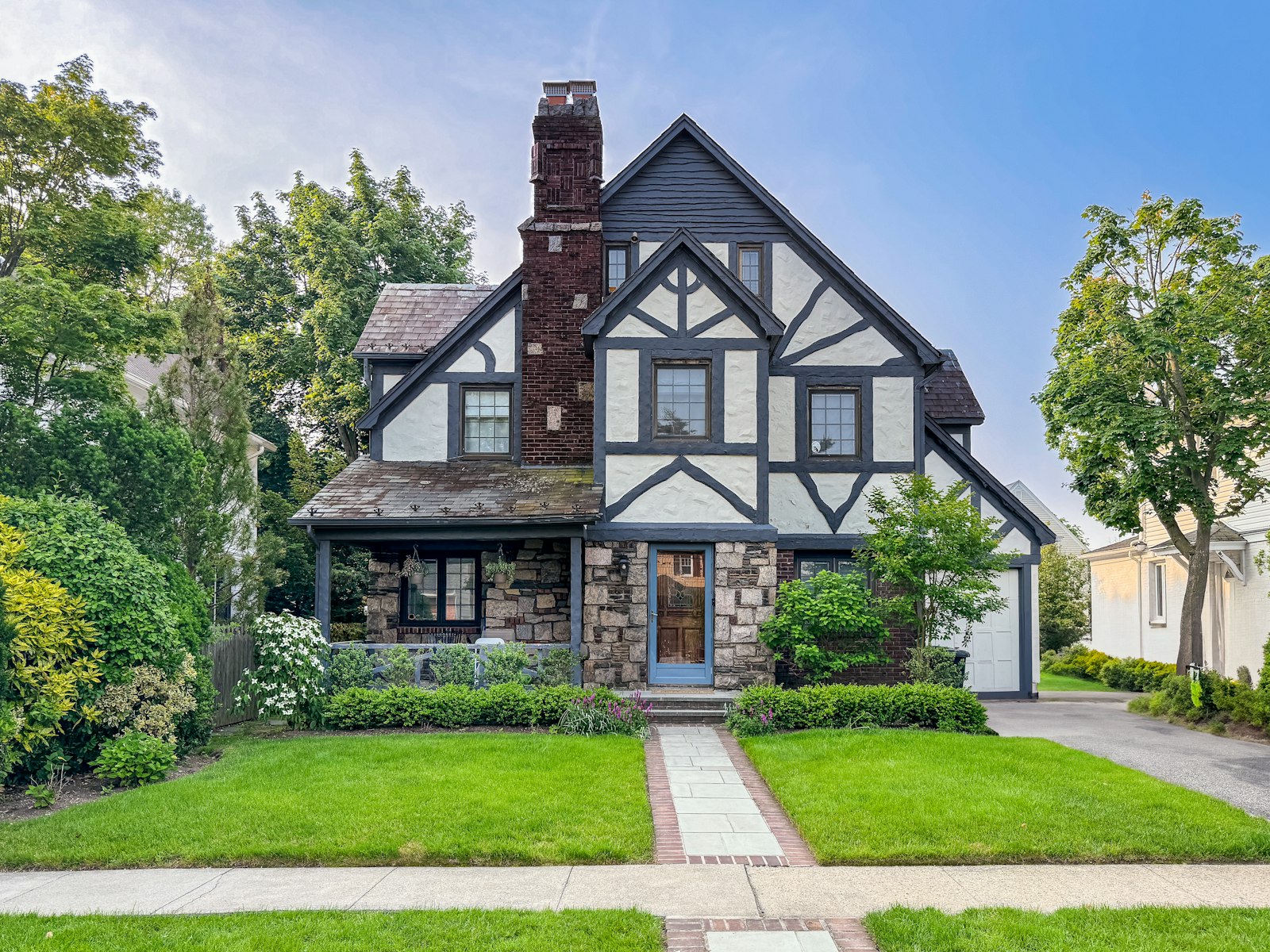
In Pennsylvania, a home seller has to disclose known material defects by filling out a property disclosure statement and giving the buyer a signed, dated copy before both sides sign the agreement of sale. The rules are in Chapter 73 of Title 68. Sellers don't have to go looking for problems, but they can't hide the ones they know about.
Who has to fill out the disclosure, and who doesn't?
The law covers residential real estate transfers. A few are exempt:
- transfers by a fiduciary, like an executor or trustee, while administering an estate, guardianship, conservatorship or trust;
- brand new construction that hasn't been lived in, if the buyer gets a written warranty of at least one year, the home was inspected for building code compliance, and a certificate of occupancy or code compliance was issued.
Condo and co-op sellers only have to disclose about their own unit, not the common elements. Separate resale rules cover what they must share about the association.
If you're buying an estate sale, the lack of a disclosure is a good reason to get a thorough inspection. Nobody's going to tell you what the late owner knew.
What does the form ask about?
The State Real Estate Commission writes the form, and the law lists the subjects it must cover. There are 17:
- the seller's expertise in contracting, engineering, architecture or related fields;
- when the seller last lived in the property;
- the roof;
- basements and crawl spaces;
- termites and other wood-destroying insects, dry rot and pests;
- structural problems;
- additions, remodeling and structural changes;
- water and sewage systems or service;
- plumbing;
- heating and air conditioning;
- the electrical system;
- other equipment and appliances included in the sale;
- land, including soils, drainage, boundaries, sinkholes and flood risk indicators;
- hazardous substances;
- condominiums and homeowners associations;
- legal issues that affect title or would interfere with using the property;
- the condition and location of stormwater facilities, and who has to maintain them.
Sellers can use a form with more detail than the Commission's. If an agent represents the seller, that agent has to explain the seller's duties and give the seller a copy of the form.
Does a seller have to investigate?
No. The law says the seller doesn't have to make any specific investigation to fill out the form. If something's unknown or unavailable, the seller can answer based on the best information they have.
What the seller can't do is say something they or their agent know, or have reason to know, is false or misleading, or leave out a known material defect.
Sellers also aren't liable for mistakes they didn't know about, mistakes based on a reasonable belief a defect had been fixed, or mistakes based on information from a public agency, home inspector or licensed contractor within their field.
What if something changes before settlement?
If information on the form becomes inaccurate before final settlement because of something that happens after delivery, the seller has to tell the buyer. A burst pipe in February after you signed in January is the classic example.
Before the agreement of sale is signed, the seller can amend the disclosure in writing.
What can a buyer do if the seller lied?
A sale isn't voided just because someone broke the disclosure law. But anyone who willfully or negligently violates it is liable for the buyer's actual damages.
There are hard limits on those claims:
- The lawsuit has to be filed within two years after final settlement.
- There's no claim under this law for defects disclosed before the agreement was signed, defects that developed after signing, or defects that showed up after settlement.
- An agent is only liable if the agent actually knew about an undisclosed defect or a misrepresentation.
Other law still applies. The statute says these disclosure items don't limit duties that exist to prevent fraud or misrepresentation.
What's changing with flood risk?
Act 74 of 2026, signed October 22, 2026, added flood risk indicators to the land item on the form and created a separate flood insurance notice that sellers will have to give buyers. See Pennsylvania's new flood disclosure for home sellers.
What should buyers do with the disclosure?
Read it slowly, before you sign the agreement of sale. That's the point of the timing rule.
- Flag every "yes" and every "unknown," and ask follow-up questions in writing.
- Compare the answers with what your inspector finds.
- Ask for any repair invoices, warranties or permits the seller mentions.
- Pay close attention to water, the roof, sewage and stormwater items.
Remember that defects disclosed before you sign aren't a basis for a claim later. If something on the form worries you, deal with it in the agreement or the inspection contingency, not after closing.
FAQ
When does a Pennsylvania seller have to give the disclosure?
Before the seller and buyer sign the agreement of sale. The buyer gets a signed and dated copy.
Are estate sales exempt from seller disclosure?
Transfers by a fiduciary in the course of administering a decedent's estate, guardianship, conservatorship or trust are exempt.
Does the seller have to hire an inspector to fill out the form?
No. The law doesn't require the seller to investigate, but they can't hide known material defects.
How long do I have to sue over a false disclosure?
Two years after the date of final settlement.
Can my town require extra disclosures?
Generally no. Municipalities can't add new disclosure mandates, though ordinances adopted before the state law took effect can remain.
Next step
If you're selling, ask a licensed local agent for the current Commission form early and fill it out carefully before you list. If you're buying, read every answer, ask follow-up questions in writing, and schedule your own inspection.
Sources: 68 Pa.C.S. Chapter 73, Seller Disclosures.
General information for Pennsylvania. Not a prediction of prices or advice for any specific property. Confirm current rules and local conditions with the county and a licensed agent.
Agents who publish a lightly edited version on their own domain should set a canonical tag pointing to this URL.
List your business on the Pennsylvania hub, free: Real estate