Oregon Assessed Value vs. Market Value, Explained
James Brazil lives in Mérida, Mexico. He founded Swift Agent Sites and studied Classics at the University of Mississippi.
Published · Updated
Real estate for buyers · Real estate for sellers
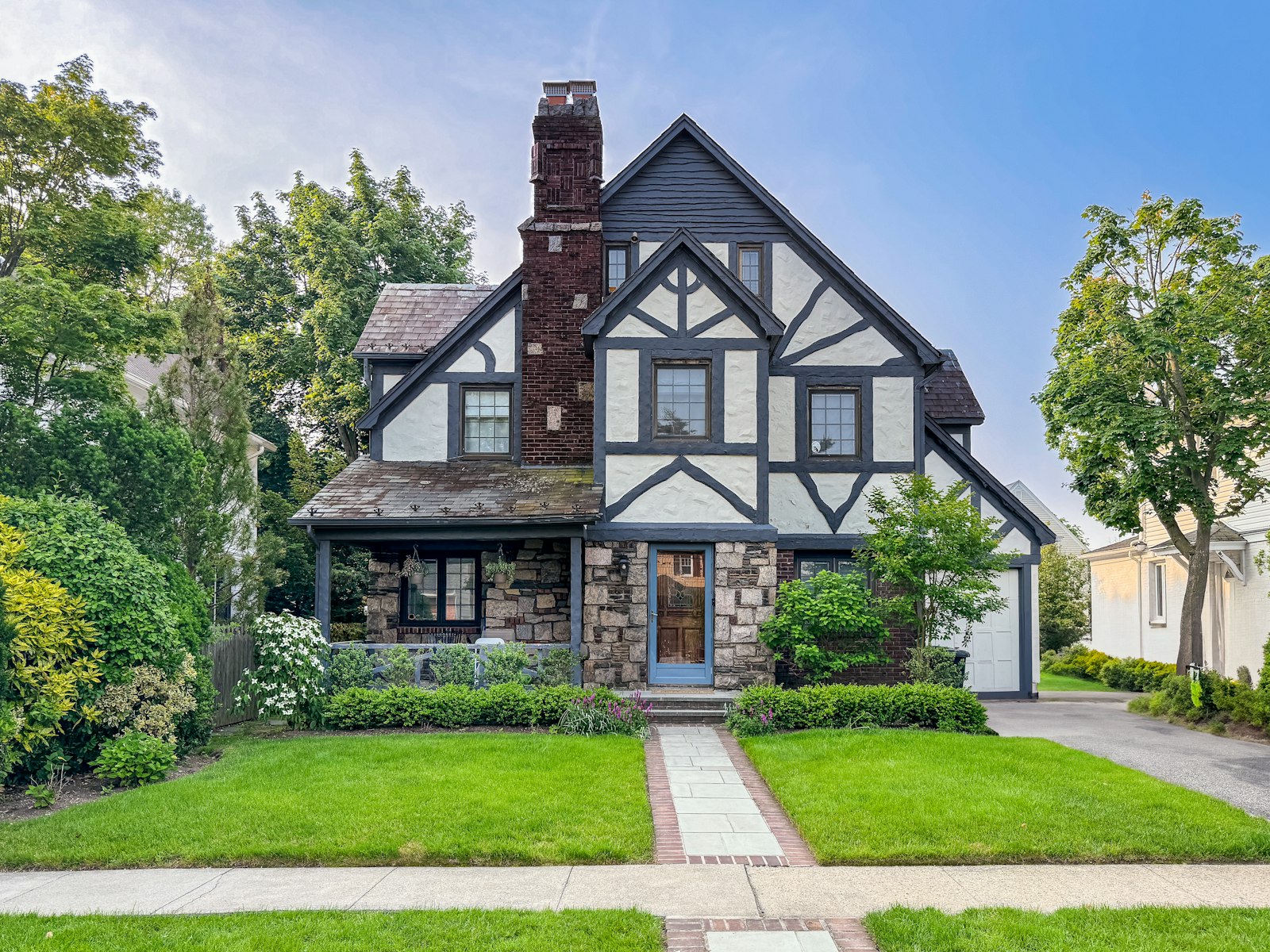
In Oregon, your property tax is based on assessed value, which is the lower of your home's real market value (RMV) or its maximum assessed value (MAV). Measure 50 limits MAV growth to 3% a year in most cases, and a sale doesn't reset it. That's why two similar homes on the same street can carry very different tax bills.
For buyers, the list price tells you very little about what you'll owe once you move in.
What do RMV, MAV and assessed value mean?
Your Oregon tax statement doubles as your value notice, and it shows more than one number. The Oregon Department of Revenue's guide to real property assessment defines them this way:
- Real market value (RMV): the assessor's estimate of what the property would sell for between a willing buyer and a willing seller on January 1.
- Maximum assessed value (MAV): a taxable value limit set for each property. For homes that existed in the mid-1990s, it started at the 1995-96 RMV minus 10%.
- Assessed value (AV): the lower of RMV and MAV. Your tax rates are applied to this number.
- Specially assessed value: farm and forest land in special assessment programs is valued under separate rules.
RMV moves with the market. MAV doesn't. The Marion County Assessor says most residential properties there are taxed on MAV, not RMV, and that's common around the state.
Why doesn't Oregon reset taxes when a home sells?
Measure 50, passed in 1997, tied taxable value to the property instead of the owner. Each year, MAV becomes the greater of last year's MAV or last year's assessed value plus 3%.
Marion County puts it plainly: in Oregon, the sale of property doesn't automatically trigger reassessment the way it does in some other states. Your price may show up in the assessor's sales studies, but it doesn't become your taxable value.
So when you buy, you inherit the seller's MAV. If the home has been on the tax rolls for decades and local prices have grown faster than 3% a year, the gap between RMV and MAV can be wide.
How is a newly built Oregon home taxed?
New construction gets its first MAV a different way. The assessor multiplies the new home's RMV by the county's changed property ratio (CPR), which is the average ratio of MAV to RMV for unchanged properties of the same type in that county.
The ratio varies a lot. Hood River County says its residential CPR hit an all-time low of 42.1% in 2022, meaning only that share of a new home's market value was taxable. Other counties and other years will differ, so ask for the real number where you're buying.
Watch the timing too. Oregon taxes what existed on January 1. Marion County notes that if construction on your new home began after that date, your first statement may show little or no structure value. The finished house shows up on the next one, and the bill can jump.
What can push assessed value up more than 3%?
The 3% limit applies to unchanged property. The Department of Revenue lists events that can raise MAV faster:
- New construction or improvements that add more value than the state's thresholds, which the department now indexes each year and tracks both annually and over five years
- Partitioning or subdividing the lot
- Rezoning, once the property is used under the new zone
- Omitted property, like an addition the assessor never recorded, being added to the rolls
- Losing an exemption, partial exemption or special assessment
Your bill can also rise more than 3% without any of those events. Marion County points to new bonds or levies in your area, a home whose AV was already set at RMV, and the loss of Measure 5 compression savings.
Where does Measure 5 fit in?
Measure 5, passed in 1990, caps operating taxes on each property at $5 per $1,000 of RMV for schools and $10 per $1,000 of RMV for general government. Bonds sit outside those limits. The department's history of Oregon property taxation explains that when taxes go over a limit, they're "compressed." Local option levies get cut first, then permanent rates.
Rates are applied to AV, but the caps are measured against RMV. For most homes the caps don't bite. Where RMV sits close to AV, a rising market can wipe out compression savings and push the bill up.
What should buyers check before making an offer?
Don't budget from a mortgage calculator's tax estimate. Pull the real records:
- Get the current tax statement or the assessor's online record, and note the RMV, MAV, AV and levy code area. Bond and levy rates differ by district.
- Look at the gap between RMV and MAV. If RMV is well above MAV, expect taxable value to keep climbing about 3% a year even in a flat market.
- Ask the seller about additions, garage conversions or ADUs from the last five years, and whether they were permitted.
- On new construction, check whether the latest statement includes the finished house.
- On rural land, ask whether any part is in farm or forest special assessment. Marion County says disqualification can bring back taxes going back five or ten years, depending on zoning and how long the property got the benefit.
If you already own and think the county's RMV is off, appeals are about value, not taxes. The department warns that cutting RMV alone may not lower your bill. For this year's payment dates and the appeal deadline, see our guide to the Oregon property tax bill and the November 16 discount. Relocating from out of state? Our guide to hiring an ODOT-certified mover covers the move itself, and the Oregon real estate hub collects more buyer guides.
FAQ
Does buying a home in Oregon reset the property taxes?
No. Oregon doesn't reassess on sale. The buyer takes over the home's existing maximum assessed value, which generally grows 3% a year.
Why is my neighbor's Oregon tax bill different from mine?
The homes may have different MAV histories, especially if one was built or remodeled more recently. Marion County also points to exemptions, special assessments, size, construction quality and prior appeals.
Can my Oregon assessed value go down?
Yes, but only if real market value falls below maximum assessed value. Then your assessed value is set at the lower RMV.
Does a remodel raise my assessed value in Oregon?
Only if the added value passes the state's yearly or five-year thresholds. Below them, the work changes RMV but not MAV.
Next step
Before you write an offer, talk with a licensed local real estate agent. They can pull tax records for the homes on your list and help you compare real carrying costs side by side.
Sources: Oregon DOR publication 150-303-670; Oregon DOR, A Brief History of Oregon Property Taxation; Marion County Assessor FAQ; Hood River County, Changed Property Ratio.
General information for Oregon. Not a prediction of prices or advice for any specific property. Confirm current rules and local conditions with the county and a licensed agent.
Agents who publish a lightly edited version on their own domain should set a canonical tag pointing to this URL.
List your business on the Oregon hub, free: Real estate