Interstate Moving Rights When a Minnesota Shipment Crosses State Lines
James Brazil lives in Mérida, Mexico. He founded Swift Agent Sites and studied Classics at the University of Mississippi.
Published · Updated
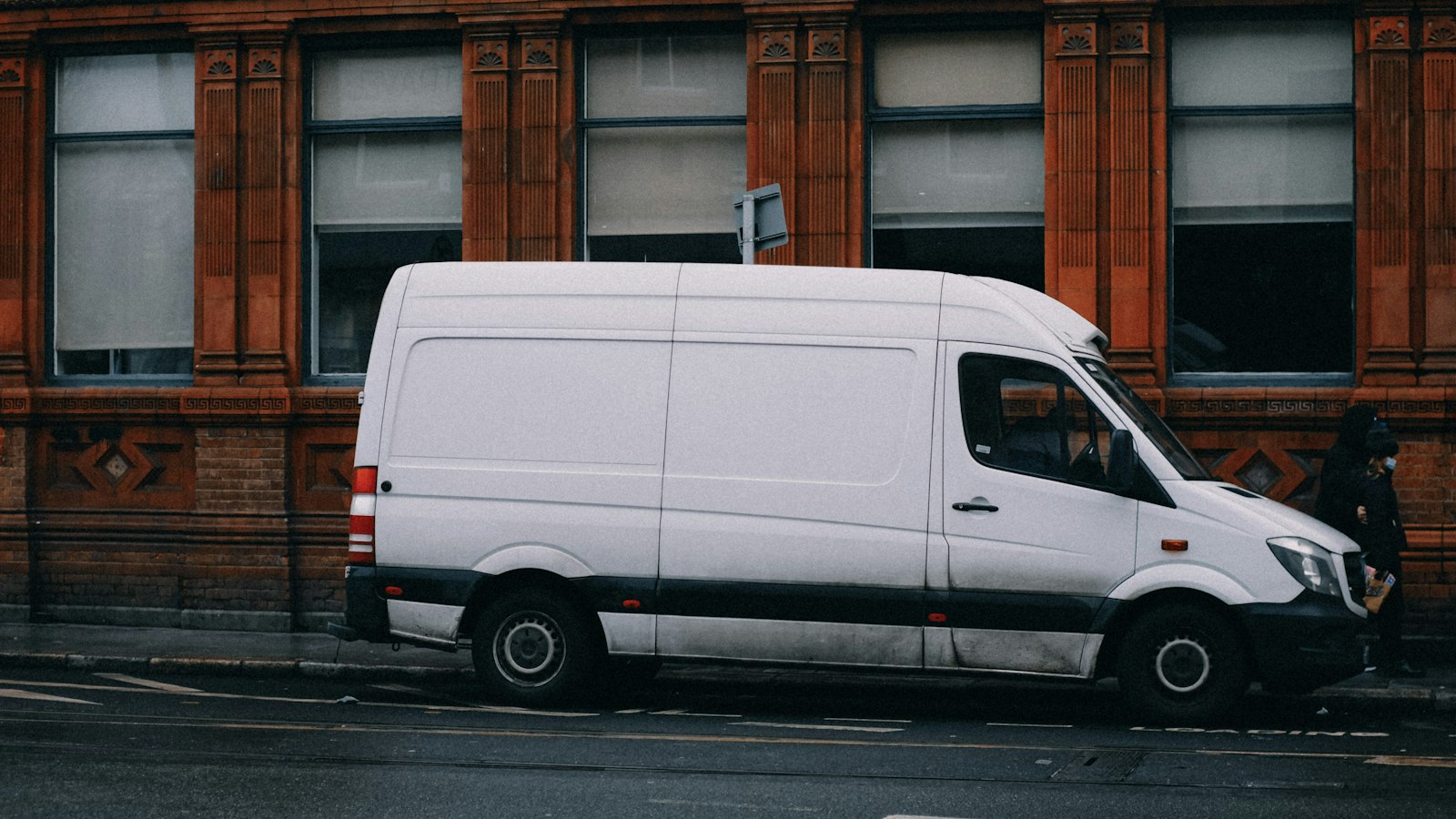
If your household goods move from Minnesota to another state, or into Minnesota from another state, federal household-goods rules apply. The federal consumer site is ProtectYourMove.gov, connected with the Federal Motor Carrier Safety Administration. You should receive a written estimate, an order for service, a bill of lading, an inventory, and the booklet "Your Rights and Responsibilities When You Move."
A Minnesota household goods mover permit from MnDOT is the in-state authority described in a companion article. It is not by itself a substitute for federal household-goods authority on a cross-border shipment.
What paperwork should you receive?
Ask for a written estimate that names the authorized carrier and any federal registration or docket number. The order for service sets out the services you are requesting. The bill of lading is the contract for the shipment. The inventory lists what went on the truck and the condition of those items at pickup.
Read "Your Rights and Responsibilities When You Move" before you sign. That booklet is the official federal consumer explanation of estimates, pickup and delivery, valuation, claims, and dispute settlement. Ask the mover for a copy early, and keep it with the estimate.
Ask whether the estimate is binding or non-binding under the federal rules the mover is using, and get the valuation option in writing. Released-value protection and a higher declared or full-value option are not the same product, and they are not always a replacement for a homeowners or renters claim. A licensed local agent can help you compare those options with any insurance you already have.
At delivery, check the inventory before the truck leaves. Note missing or damaged items on the paperwork before you sign. Photograph damaged items and keep the bill of lading, the inventory, and payment receipts together. Storage in transit, delivery windows, and additional charges should appear in the order for service or the bill of lading. If the destination changes, or if the shipment will go into storage, get a written revision. Pay the authorized carrier according to the contract, and be cautious about demands for extra cash on the truck that were not disclosed in the estimate or the order for service.
How do claims and dispute settlement work?
File a written claim with the mover using the process in the bill of lading and the federal booklet. Keep a copy, and calendar any claim period the official documents describe. Protect Your Move also explains the federal dispute-settlement and arbitration process. Follow those official instructions for requesting arbitration rather than inventing a local form.
You can also use the Federal Motor Carrier Safety Administration complaint tools through Protect Your Move. Include the carrier's legal name, any federal registration number, the dates, the bill of lading number, and copies of the estimate and claim letters. MnDOT remains the office to ask about a Minnesota household goods permit if part of the work was an in-state for-hire haul. Official MnDOT contacts are listed on the Household Goods Movers page, including 651-215-6330.
If a mover will not provide the federal booklet, a written estimate, or a bill of lading that names the authorized carrier, that is a reason to pause before you pay a large deposit. For in-state-only jobs that never leave Minnesota, use the MnDOT permit article and written-estimate article in this series, and do not assume every federal interstate rule applies word for word.
Confirm that the legal name on the bill of lading matches the authorized interstate carrier, not only a local booking agent. If a third company will pick up or deliver, get that name in writing and ask who is responsible for a claim. Take photos of empty rooms after pickup and of any water, oil, or open-door condition on the truck.
Keep a moving-day log of who arrived, the truck number, and any delay the crew explained. Those details help if you later have to show a federal agency or an arbitrator what happened at pickup or delivery.
If the delivery window changes, ask for a written update and keep any tracking messages with the bill of lading. A paper trail of dates is often as important as the inventory when a shipment is late.
FAQ
Which site explains interstate moving documents?
ProtectYourMove.gov is the federal household-goods consumer site connected with the Federal Motor Carrier Safety Administration. It points to the estimate, order for service, bill of lading, inventory, and consumer booklet.
Does a Minnesota household goods permit cover an interstate move by itself?
A MnDOT permit is in-state household-goods authority. An interstate shipment also requires the federal authority and paperwork that apply to a move that crosses a state line.
Where do I file a claim?
File a written claim with the mover first, using the bill of lading and the federal booklet, and keep a copy. You can also use federal complaint and dispute-settlement tools through Protect Your Move.
Who do I call about a Minnesota permit issue on a mixed move?
MnDOT's Office of Freight and Commercial Vehicle Operations, at 651-215-6330, is the office that issues in-state household goods permits.
If you are planning a move into or out of Minnesota, talk with a licensed local agent about coverage for goods in transit, and use ProtectYourMove.gov for the official federal papers.
Ask whether your homeowners or renters policy offers any off-premises or transit coverage, and compare that language with the valuation option on the bill of lading before you decline a higher valuation in order to save a fee.
Sources: ProtectYourMove.gov; Minnesota Department of Transportation, Household Goods Movers.
Before you hire: Check a moving company's federal authority and insurance free, from FMCSA's records.
General notes for moves in and to Minnesota. Not a quote or a recommendation of any specific company. Confirm details with the mover you hire.
Agents who publish a lightly edited version on their own domain should set a canonical tag pointing to this URL.
List your business on the Minnesota hub, free: Transportation