What a Delaware Mover's Revenue License Does Not Prove
James Brazil lives in Mérida, Mexico. He founded Swift Agent Sites and studied Classics at the University of Mississippi.
Published · Updated
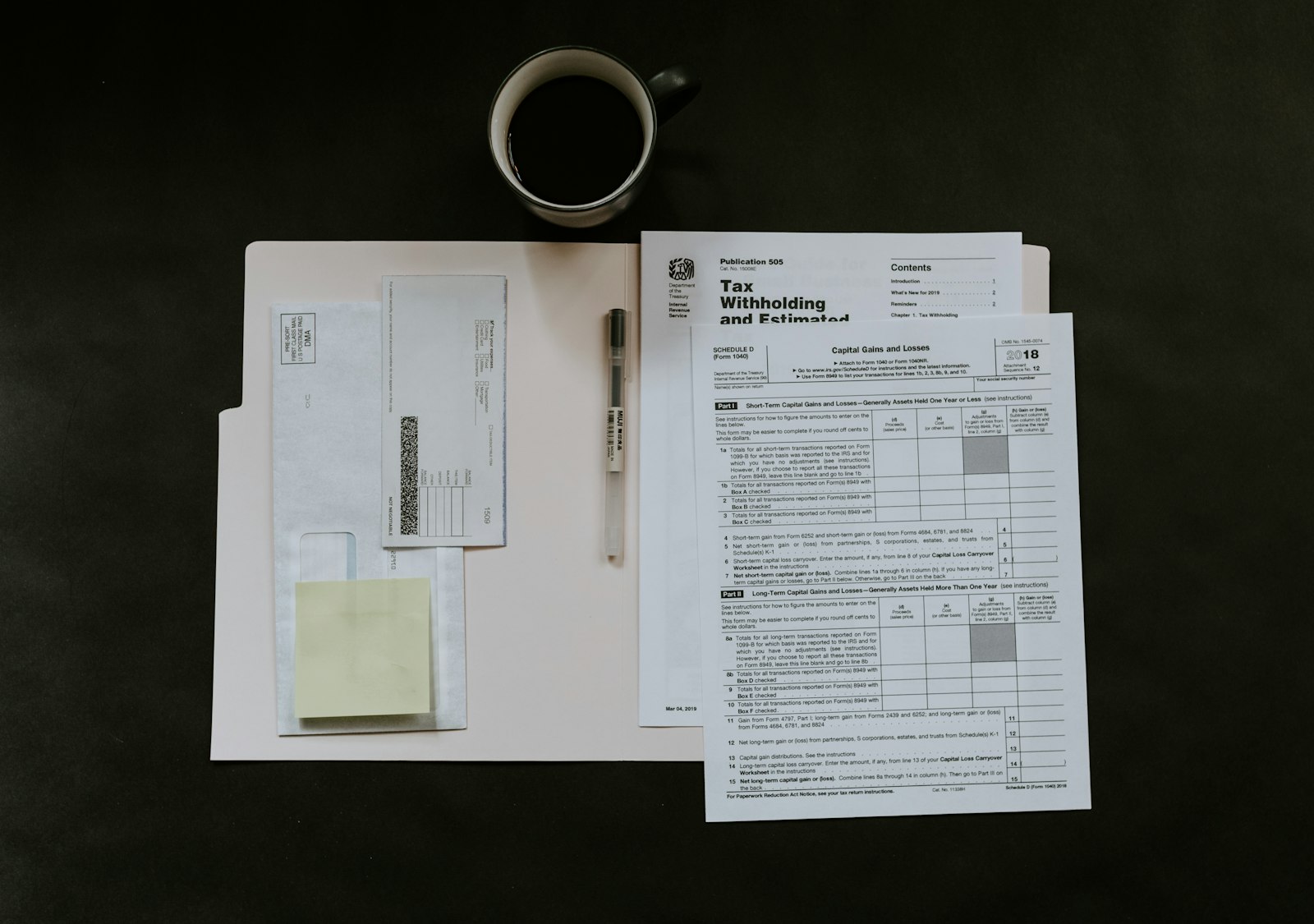
A Delaware business license for a drayperson or mover proves the company paid a $75 annual license tax, plus $25 for each additional location, and that it is in the gross-receipts system. The Division of Revenue says the license is not a regulatory license and does not attest to the applicant's qualifications.
Ask for the terms the state did not write
It does not prove the estimate is binding, that damaged goods pay a set amount per pound, or that a state office will take a household-goods complaint. No state estimate rule and no cents-per-pound valuation were found for an in-state Delaware move. Put the price, what is included, and what happens if the job runs long into the contract you sign. Put the valuation in the same contract: replacement cost, a declared value, or whatever the company will actually pay. If the company will not write it down, you are guessing. The $75 license will not fill the blank later.
Get the company's legal name and the address on the license. Compare that name with the name on the contract and the name on the truck. A license for one company does not cover a different company that shows up on moving day. The license renews on or before December 31. A license that expired last year is not current. See the license and the tax.
There is no complaint desk in these sources
No dedicated Delaware household-goods complaint office, phone number, or response time was fetched. This article does not name one. Motor Carrier Services at 302-744-2701 answers motor-carrier questions generally. It does not, on the page used here, say it licenses household-goods movers or mediates a damaged sofa. A dispute about an in-state contract is a contract dispute. A dispute about a move that crosses a state line goes to FMCSA. See the federal booklet.
Do not file the mover problem with the Insurance Department and expect a household-goods unit to appear. The Department's consumer line is (302) 674-7310, and it handles insurance. See insurance complaints. An auto policy at 25/50/10 does not pay for the dresser. A homeowners policy may or may not cover goods on a truck. Ask that insurer in writing, and do not assume flood coverage, because standard homeowners policies do not cover flood.
Local licenses and the persons-only rule
A city or county may require its own business license. That local license is whatever the ordinance says. It is not, by itself, a statewide household-goods tariff. Ask the clerk what the local license covers before you treat it as proof of insurance or of a claims process.
Title 2, regulation 2287 defines a vehicle for hire as a motor vehicle engaged in carrying persons for hire. It is not a household-goods tariff. See that definition. A taxi rule does not price your furniture. Do not cite it to a moving crew.
A short checklist that stays inside the sources
Confirm both addresses. If either is outside Delaware, switch to the USDOT number and the FMCSA booklet. If both are inside Delaware, read the revenue license as a tax document only. Ask for a written price and a written valuation. Photograph the condition of valuable pieces. Keep the contract. If the bill changes, the argument is the contract, not a state percentage cap that was not found.
The seller's disclosure, the transfer tax, and a senior school-tax credit are house papers. They do not vet the mover. See the disclosure and the transfer tax. Keep those files separate from the bill of lading.
Names that should match
The name on the Division of Revenue license, the name on the contract, and the name on the truck should be the same business. A license for one company does not cover a different company that arrives on moving day. The renewal date on or before December 31 tells you whether the tax license is current. It does not tell you whether the estimate will hold. Write the price, the addresses, and the valuation into the contract because those terms were not found in the tax sheet or in regulation 2287. Photograph pieces you cannot replace. If the route crosses a state line, add the USDOT number and switch the complaint path to FMCSA.
An insurance card at 25/50/10 and a homeowners declarations page stay in the house file. They are not a substitute for the valuation line the mover did not print. Ask for that line before you pay a deposit.
FAQ
What does the $75 license prove? That the company is in the Division of Revenue's license and gross-receipts system. The Division says it does not attest to qualifications.
Does Delaware require a written estimate? No such requirement was found for an in-state move. Ask for one in the contract anyway.
Who do I call about damaged furniture on an in-state move? No dedicated state household-goods complaint office was found. Use the contract. Use FMCSA if the move crossed a state line.
Does 302-744-2701 license movers? The motor-carrier page used here does not say it licenses household-goods movers.
Can I use another state's 60-cent rule? No. That figure was not found as Delaware intrastate law.
Next step
Read the license, then ask the company to write the price and the damage valuation into the contract. The license will not supply either term after the truck leaves.
Sources: Division of Revenue, drayperson or mover; Delaware Motor Carrier Services.
Before you hire: Check a moving company's federal authority and insurance free, from FMCSA's records.
General notes for moves in and out of Delaware. Not a quote or a recommendation of any specific company. Confirm details with the mover you hire.
Agents who publish a lightly edited version on their own domain should set a canonical tag pointing to this URL.
List your business on the Delaware hub, free: Transportation